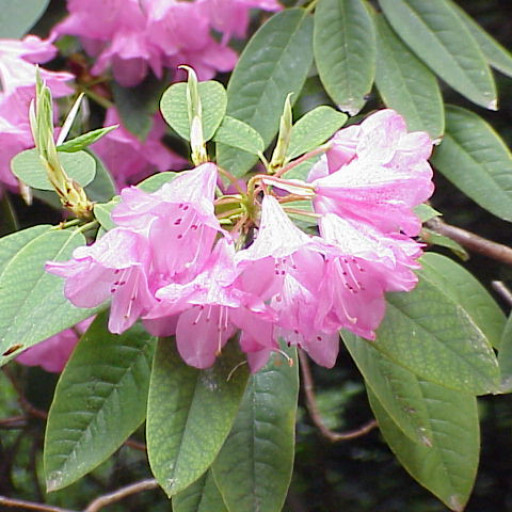
Plant Overview
Known as the "King of Shrubs," the Rhododendron is a staple of temperate gardens worldwide. From the mist-covered mountains of the Himalayas to suburban front yards, these plants are beloved for their massive, vibrant flower clusters that signal the peak of spring. While they look like a soft garden dream, they carry a storied history of being used as both a medicinal tool and a botanical weapon.
🔍 How to Identify
- 🌸 Flower Trusses: They produce spectacular, showy clusters of bell-shaped flowers (called trusses) in shades of pink, purple, white, and red.
- 🍃 Leathery Foliage: Most garden varieties feature thick, oval-shaped, evergreen leaves that feel slightly waxy or leathery to the touch.
- 🌳 Growth Habit: They typically form large, rounded woody shrubs, though some species can grow into impressive, multi-trunked trees.
🏡 In Your Garden
- 🧪 The Acid Test: Rhododendrons are "acid-loving" plants. They require soil with a low pH (acidic) to thrive; if the soil is too alkaline, their leaves will turn a sickly yellow—a condition known as chlorosis.
- 💧 Shallow Drinkers: Unlike many shrubs, their root systems are very shallow and fibrous. They hate being buried too deep and require consistent moisture but "distest" standing water, making well-draining soil and mulch essential.
⚠️ Safety & Toxicity
- 🚫 Toxic Status: Highly toxic if ingested by humans or animals.
- 🐾 The Danger: All parts of the plant contain grayanotoxins. If pets or children nibble on the leaves or flowers, it can cause salivation, vomiting, and in severe cases, dangerous heart arrhythmias.
- 🐝 Honey Warning: Even honey made by bees that feed exclusively on Rhododendron nectar can be toxic (often called "Mad Honey").
✨ Fun Fact
In 67 B.C., a Roman army was defeated by a local tribe that left jars of Rhododendron honey along their path. The soldiers ate the honey, became delirious and incapacitated, and were easily overcome by the clever locals!

Detailed Care Instructions
| Humidity | High |
| Lighting | Part Sun |
| Difficulty | Medium |
| Hibernation | Cold Period |
| Temperature | 15°C - 18°C |
| Hardiness Zones | 6A - 10B |
To grow a Rhododendron plant, follow these steps:
- Choose the right variety: Rhododendrons come in various species and hybrids. Select a variety that is suitable for your climate and soil conditions.
- Select a suitable location: Rhododendrons prefer partial shade or filtered sunlight. Avoid excessively hot or dry areas, as they prefer cool, moist environments.
- Prepare the soil: Rhododendrons prefer moist, well-drained soil that is slightly acidic (pH between 4.5 and 6.0). Add organic matter like compost or peat moss to improve soil drainage and fertility.
- Planting: Dig a hole that is wider and shallower than the root ball of the plant. Place the plant in the hole and backfill with soil, ensuring that the rhododendron is planted at the same depth it was in the container. Water thoroughly after planting.
- Mulching: Apply a layer of mulch, such as pine needles or bark, around the base of the plant. Mulch helps retain soil moisture, regulate soil temperature, and suppress weeds.
- Watering: Keep the soil consistently moist, but not waterlogged. Water deeply and thoroughly whenever the top inch of soil feels dry. Regular watering is particularly crucial during dry periods.
- Fertilization: Feed the plant with a slow-release, balanced fertilizer formulated for acid-loving plants in early spring. Alternatively, you can provide a monthly application of a liquid rhododendron fertilizer during the growing season.
- Pruning: Prune any dead or damaged branches in early spring before new growth appears. Rhododendrons do not require heavy pruning but can be lightly shaped if necessary.
- Protection from frost: Some varieties of Rhododendrons are susceptible to frost damage. Protect them by covering with burlap or blankets, or move potted plants to a sheltered location during periods of frost.
- Pest and disease control: Remove any fallen leaves or debris from around the plant regularly to prevent the spread of diseases. Monitor for pests like aphids, mites, or scale insects, and use appropriate organic or chemical controls if required.
By following these steps, you can successfully grow a Rhododendron plant and enjoy its beautiful blooms.

Place in a window with dappled sun or a spot in the middle of a room. Or directly in a window facing west or east.

To water this plant, first check the soil moisture level by inserting a finger about 1 inch deep into the soil. If it feels dry, it’s time to water.
When watering, avoid using hard or chlorinated water as it can harm the plant. Using collected rainwater or distilled water is best.
Water slowly and deeply to ensure the water reaches the roots of the plant. Don’t water from above – instead, water around the base of the plant.
Don’t let the soil become waterlogged. Excess water can cause root rot and other problems. It’s better to underwater than overwater this type of plant.
In the winter, reduce watering as the plant goes into dormancy. However, do not let the soil dry out completely.
- Choose a fertilizer that is specifically formulated for acid-loving plants.
- Apply the fertilizer in early spring or after blooming, following the dosage instructions on the packaging.
- Sprinkle the fertilizer around the base of the plant, avoiding direct contact with the stems or foliage.
- Water the plant thoroughly after fertilizing to help the nutrients reach the roots.
- Repeat the fertilization process annually to maintain the health and beauty of the plant.
Rhododendrons prefer a slightly acidic soil with a pH range of 4.5 to 6.0. The soil should be well-draining, but also hold moisture well. Organic matter, such as peat moss or compost, can be mixed into the soil to improve its texture and provide nutrients. Infertile soil should be avoided, as Rhododendrons require nutrient-rich soil to thrive.
Rhododendron plants can be propagated through stem cuttings, layering, and grafting. For stem cuttings, choose a healthy branch with young growth and make a clean cut. Dip the cut end in rooting hormone and plant in a well-draining soil mixture. Keep the soil moist and the cutting in indirect light until roots have formed. Layering involves burying a lower branch in soil so that it can develop its own roots. Grafting involves joining a piece of the Rhododendron plant to the rootstock of another plant. Carefully align the cambium layers of both pieces and secure with grafting tape. Keep in a warm, humid environment until the graft has healed and new growth appears.







