Plant Overview
Known universally as the "Queen of Flowers," the Rosa genus encompasses thousands of years of human history. From ancient Persian gardens to the English "War of the Roses," these plants have served as symbols of love, secrecy, and power. While they have a reputation for being high-maintenance "divas," their breathtaking fragrance and variety—ranging from tiny miniatures to sprawling climbers—make them the crown jewel of any landscape.
🔍 How to Identify
- 🌹 Flower Structure: Blooms range from simple, five-petaled wild varieties to "double" blossoms packed with dozens of petals. They often feature a central cluster of yellow stamens.
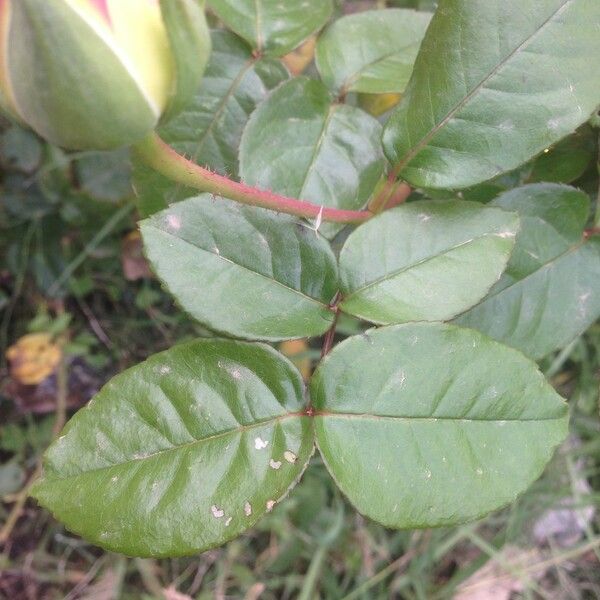
- 🍃 Serrated Foliage: Leaves are typically dark green (sometimes glossy) with jagged, saw-like edges. They grow in a pinnate pattern, meaning leaflets are arranged on both sides of a common stalk.
- ⚔️ Prickles (Thorns): What we call "thorns" are technically prickles—hooked outgrowths of the plant's skin that help it "climb" over other vegetation and defend against hungry animals.
🏡 In Your Garden
- ☀️ Sun for Energy: Roses are solar-powered bloomers. They require at least six hours of direct sunlight; without it, they lose their vigor, produce fewer flowers, and become "leggy" as they stretch toward the light.
- 🌬️ The Need for Space: These plants are prone to fungal issues like Black Spot and Powdery Mildew. They thrive when they have "elbow room" for air to circulate through their branches, which keeps the leaves dry and healthy.
- ✂️ Pruning Purpose: Pruning isn't just about size control; it’s about rejuvenation. Cutting back old wood encourages the plant to divert its energy into new, flowering canes, ensuring a vibrant display each season.
⚠️ Safety & Toxicity
- ✅ Generally Non-Toxic: Roses are safe for humans, cats, and dogs. In fact, many varieties produce "Rose Hips" (the fruit) which are edible and high in Vitamin C.
- 🧤 Physical Hazards: The primary risk is the prickles. Gardeners should always wear heavy-duty gloves to avoid "Rose Gardener’s Disease" (Sporotrichosis), a rare but serious fungal infection that can enter the skin through small punctures or scratches.
✨ Fun Fact
The oldest living rose in the world is the "Thousand-year Rose" growing on the walls of the Hildesheim Cathedral in Germany. It was established in the year 815 and even survived the cathedral being bombed during World War II!

Detailed Care Instructions
| Color | Pink, Red, Yellow, White |
| Soil Ph | 6.0 To 7.0 |
| Humidity | Normal |
| Invasive | Weed |
| Lighting | Full Sun |
| Soil Type | Loamy |
| Bloom Time | Summer |
| Difficulty | Medium |
| Plant Type | Deciduous Flowering Shrub |
| Hibernation | Cold Period |
| Mature Size | 6 To 10 Inches Tall; Ramblers Can Grow Up To 6 Feet |
| Native Area | None; Miniature Roses Are A Cultivated Creation With No Native Range |
| Temperature | 15°C - 30°C |
| Sun Exposure | Full Sun |
| Hardiness Zones | 5, 6, 7, 8, 9 |
To grow Rosa Spp. plants, also known as roses, you can follow these steps:
- Choose the right location: Roses thrive in a location that receives full sun (at least 6 hours of direct sunlight per day) and has well-draining soil. Make sure there is enough air circulation around the plants.
- Prepare the soil: The soil should be rich in organic matter, well-draining, and slightly acidic (pH 6-6.5). You can amend the soil with compost or well-rotted manure before planting.
- Select the right variety: There are many different types of roses available, so choose a variety that suits your climate, soil type, and desired growth habit (climbing rose, shrub rose, etc.). Consult with a local nursery or garden center for advice on suitable varieties for your area.
- Planting: Dig a hole that is wide and deep enough to accommodate the rose's roots. Place the plant in the hole, ensuring that the bud union (the swollen area where the rose was grafted onto the rootstock) is level with or slightly above the soil surface. Backfill the hole with soil, firming it gently around the roots.
- Watering: Water the newly planted rose thoroughly. Afterward, maintain regular watering, ensuring that the soil remains evenly moist but not waterlogged. Avoid overhead watering to prevent fungal diseases.
- Mulching: Apply a layer of organic mulch (such as wood chips or shredded leaves) around the base of the plant to help retain moisture, suppress weeds, and moderate soil temperatures.
- Fertilizing: Feed rose plants regularly with a balanced rose fertilizer according to the package instructions. Apply the fertilizer in early spring, after the last frost, and then every 4-6 weeks throughout the growing season.
- Pruning: Prune roses in early spring before they start actively growing. Remove dead, damaged, or crossing branches and shape the plant as desired. Pruning helps improve air circulation, stimulate new growth, and promote better flowering.
- Pest and disease management: Monitor your roses regularly for common pests like aphids, mites, or powdery mildew. Use organic or chemical controls as necessary to manage these issues.
- Winter protection: In areas with cold winters, protect the rose plant by adding a layer of mulch around the base in late fall. You can also wrap the foliage with burlap to insulate it from frost.
Remember to provide regular care and attention, including regular watering, fertilizing, pruning, and pest management. With proper care, your Rosa Spp. plant should thrive and produce beautiful flowers.
To properly water a Rosa Spp. plant, ensure that the soil is evenly moist, but not waterlogged. It is best to water deeply, allowing the water to soak in and reach the roots. Watering should be done early in the day to allow the leaves to dry before nightfall, as wet leaves can promote disease. Avoid getting the foliage wet when possible, and use a watering can or hose with a gentle spray nozzle to direct the water at the base of the plant. Regular watering is important for maintaining healthy growth and producing abundant blooms.
- Choose a balanced fertilizer with equal amounts of nitrogen, phosphorus, and potassium.
- Apply the fertilizer in early spring before new growth begins.
- Apply the fertilizer at the base of the plant, avoiding contact with the foliage.
- Water thoroughly after fertilizing.
- Repeat the application every 4-6 weeks during the growing season.
- Do not fertilize late in the season, as this can encourage new growth that may not have time to harden off before winter.
When planting Rosa Spp., it is recommended to use well-draining soil that is rich in organic matter. The pH of the soil should be slightly acidic, between 5.5 and 6.5. The soil should also be able to retain moisture, but not be waterlogged. Adding compost or well-rotted manure to the planting site can improve the soil structure and fertility. It is also important to avoid planting in areas with heavy clay soil or in areas prone to waterlogging, as this can lead to root rot and other problems.
There are several ways to propagate Rosa Spp. plants. One method is by taking stem cuttings. To do this, select a healthy stem from the parent plant and cut it at an angle just below a leaf node. The cutting should be about 6 inches long and have several leaves attached. Remove the bottom leaves and dip the cut end in rooting hormone. Plant the cutting in a pot filled with moist potting soil, covering it about an inch deep. Place the pot in a warm, bright location and mist the cutting daily. After a few weeks, roots should begin to develop and new growth should appear.
Another method of propagation is by layering. To do this, select a low-growing stem from the parent plant and bend it down to the ground. Make a shallow cut on the underside of the stem where it touches the soil. Cover the cut area with soil and anchor the stem in place with a rock or stake. Keep the soil moist and roots should begin to form at the cut area. After the roots have developed, cut the stem from the parent plant and transplant the new plant to its desired location.
Rosa Spp. seeds can also be collected from the parent plant and planted in soil. However, it may take several years for the seedlings to mature and produce flowers.







