Plant Overview
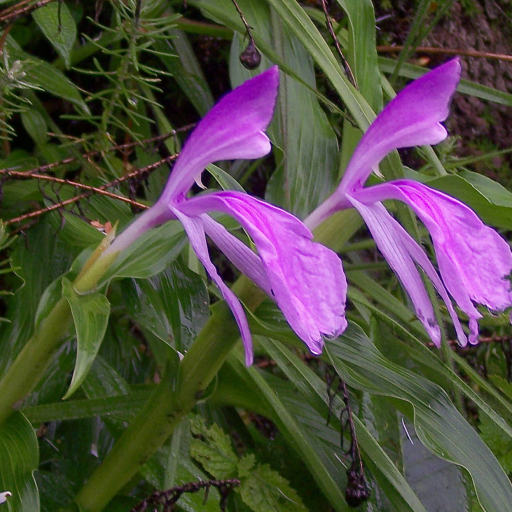
Often mistaken for a tropical orchid, Roscoea purpurea is actually a remarkably hardy member of the ginger family hailing from the high-altitude forests of the Himalayas. Its striking, hooded blooms and lush, architectural foliage bring an exotic, "jungle" vibe to temperate gardens that many other tropical-looking plants couldn't survive. It is famously a "late sleeper," often remaining completely dormant and invisible underground until the warmth of mid-summer finally coaxes it out.
🔍 How to Identify
- 🌸 Orchid-Like Blooms: The flowers are rich violet or deep purple, featuring a large, drooping "lip" and a hooded upper petal that mimics the look of a rare orchid.
- 🍃 Ginger Foliage: The leaves are lance-shaped and clasp the stem at the base, creating a lush, vertical fan of greenery that resembles a miniature corn or ginger plant.
- 🎋 Fleshy Pseudo-stems: The "stems" are actually tightly wrapped leaf bases that emerge from thick, tuberous roots hidden deep beneath the soil.
🏡 In Your Garden
- 🏔️ Himalayan Heritage: Because it originates from cool, mountainous regions, this plant despises sweltering, stagnant heat. It thrives in "woodland" conditions—think dappled shade and soil that stays consistently moist but never waterlogged.
- 💤 The Late Emergence: Gardeners often panic and think the plant has died in spring because it doesn't show a single leaf until June or July. It is vital to mark its spot so you don't accidentally dig it up while planting spring annuals!
- 🥣 Deep Planting: It possesses unique "contractile roots" that pull the plant deeper into the earth over time. When planting, give it a head start by burying the tubers at least 4–6 inches deep to protect them from winter frosts.
⚠️ Safety & Toxicity
- 🐾 Pet & Child Safety: Roscoea purpurea is generally considered non-toxic to humans, cats, and dogs. It does not possess the stinging hairs or caustic saps found in some other woodland perennials.
- ✋ Ornamental Only: While it belongs to the Ginger family (Zingiberaceae), this is an ornamental species. It should not be confused with culinary ginger (Zingiber officinale) and should not be ingested.
✨ Fun Fact
Unlike many plants that evolved to be pollinated by bees or butterflies, some Roscoea species have a specialized "trigger" mechanism. When an insect enters the flower to reach the nectar, it pushes a lever that moves the pollen-bearing anthers down to tap the insect perfectly on its back!

Detailed Care Instructions
Roscoea purpurea, also known as the purple veined ginger or Himalayan ginger, is a perennial herbaceous plant native to the Himalayan region of Asia. Here are some steps to help you grow Roscoea purpurea successfully:
- Climate and sunlight: Roscoea purpurea thrives in cool temperate to subtropical climates. It prefers partial shade to full shade but can tolerate some direct sunlight. Choose a location in your garden that receives morning sun but is shaded during the hottest part of the day.
- Soil requirements: The plant prefers well-draining soil that is rich in organic matter. It can tolerate a wide range of soil types, but avoid heavy clay soils, as they can hinder root development. Prepare the soil by adding compost or well-aged manure to improve its structure and fertility.
- Planting: Plant Roscoea purpurea rhizomes (underground stems) in spring or early autumn. Place the rhizomes horizontally in the soil, burying them about 2-3 inches deep. Space the plants about 12-18 inches apart to allow for their spreading habit.
- Watering: Provide regular, even moisture to the plants during the growing season. Roscoea purpurea prefers moist soil but dislikes standing water. Ensure the soil remains consistently moist but not soggy. Reduce watering during the dormant winter period.
- Fertilization: Feed the plants with a balanced, slow-release fertilizer during the growing season. Follow the manufacturer's instructions for application rates. Additionally, you can top-dress the soil with compost or well-rotted manure in the spring to provide additional nutrients.
- Mulching: Apply a layer of organic mulch, such as straw or shredded leaves, around the base of the plants to help retain soil moisture, suppress weed growth, and regulate soil temperature. Ensure the mulch does not touch the plant stems directly.
- Winter care: Roscoea purpurea is hardy in USDA zones 5-9. In colder regions, provide winter protection by applying a thick layer of mulch over the plants in late autumn to insulate the roots from freezing temperatures. Remove the mulch gradually in early spring before new growth emerges.
- Division: Every few years, when the plant becomes overcrowded, you can divide Roscoea purpurea. Lift the clump in early spring or after the plant has finished flowering. Divide the rhizomes using a sharp, clean knife and replant the separate sections in fresh soil.
By following these steps, you can successfully grow Roscoea purpurea in your garden and enjoy its beautiful flowers.

Place in a window with dappled sun or a spot in the middle of a room. Or directly in a window facing west or east.
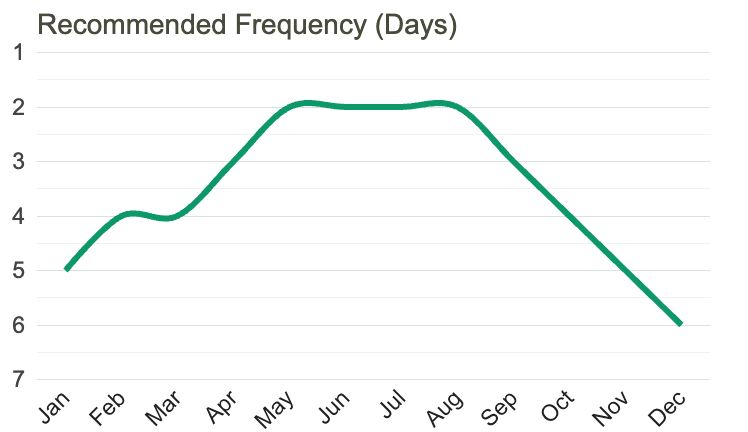
The recommended method for watering this plant is to provide a consistent level of moisture in the soil without allowing it to become waterlogged. This can be achieved through frequent but shallow watering, rather than occasional deep watering. It is important to avoid getting the leaves wet during watering, as this can increase the risk of fungal diseases. Additionally, it is a good idea to use room temperature or lukewarm water for watering, as cold water can shock the roots and damage the plant. Finally, it is recommended to reduce watering during the plant's dormancy period, typically in the winter months, to prevent the soil from becoming overly saturated.
For best growth and flowering of this plant, it is recommended to fertilize twice a year - once in early spring and again in late summer. Use a balanced fertilizer with an N-P-K ratio of 20-20-20 or similar. Apply the fertilizer at a rate of 1 tablespoon per square foot of soil around the base of the plant and water thoroughly. Avoid getting fertilizer on the leaves as it may cause burning.
Roscoea Purpurea plant prefers a well-draining, loamy and slightly acidic soil. It thrives best in a soil mixture that is rich in nutrients and organic matter, with a pH range between 5.5 and 6.5. It is important to avoid using heavy clay soils or waterlogged soils as they can lead to root rot and hinder plant growth. It is recommended to amend the soil with compost or well-rotted animal manure to improve soil texture and fertility. Additionally, a layer of mulch can be added to retain moisture and keep the soil cool during the summer months.
Roscoea Purpurea plant can be propagated through division of rhizomes. This should be done in the spring as the new shoots emerge. Carefully lift the plant and separate the rhizomes using a sharp knife. Each division should have at least one healthy shoot and a portion of rhizome. Replant the divisions immediately in a well-draining soil mix, keeping them at the same depth as they were originally. Water thoroughly and keep the soil moist until the new growth appears.








