Plant Overview
Commonly known as the Blackberry Jam Fruit, this delightful shrub from Central and South America is a treat for both the eyes and the palate. It earned its whimsical nickname because its olive-sized fruits are filled with a dark, gooey pulp that tastes remarkably like sweet berry preserves. In its native tropical home, it is often mistaken for a jasmine bush due to its elegant, star-shaped white blooms that release a heavy, intoxicating fragrance as evening falls.
🔍 How to Identify
- 🌸 The Flowers: Long, tubular white blossoms with five distinct petals that flare out like a star, emitting a perfume similar to gardenias.
- 🍃 The Foliage: Small, glossy, deep-green leaves that grow in opposite pairs or whorls, giving the shrub a very dense and lush appearance.
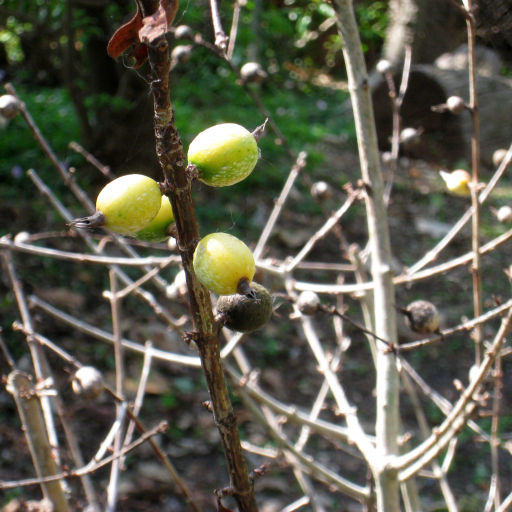
- 🫐 The Fruit: Woody, oval berries that turn from green to a bright yellow or orange when ripe; inside, you’ll find a unique "inky" black pulp.
🏡 In Your Garden
- ☀️ Light & Space: While it loves full sun to produce the most fruit, it appreciates a bit of afternoon shade in hot, arid climates. Its naturally compact growth habit makes it a star for large patio containers.
- 🪴 Soil Nuance: This plant is a strict acid-lover. It hates "hard" water or lime-heavy soil, which can cause its leaves to turn yellow; using rainwater and acidic mulch (like pine needles) will keep it vibrant.
- 💧 Watering: It prefers consistent moisture but hates "wet feet." Ensure your pot or garden bed has excellent drainage to prevent root rot during the rainy season.
⚠️ Safety & Toxicity
- ✅ Status: The ripe fruit pulp is edible and safe for human consumption, often eaten fresh or used to flavor desserts.
- 🐾 Pets & Kids: The plant is generally considered non-toxic; however, the woody skin of the fruit and the seeds should be discarded, as they are not the "tasty" part and could be a minor choking hazard for very small children or pets.
✨ Fun Fact
- ☕ Unexpected Relatives: Despite the "berry" in its name and its jam-like flavor, the Blackberry Jam Fruit is actually a member of the Rubiaceae family—meaning it is a close cousin to Coffee and Gardenias!

Detailed Care Instructions
To grow Rosenbergiodendron Formosum plant, also known as the Taiwanese cherry, you can follow these steps:
- Choose a suitable location: The plant prefers well-drained soil in a sunny or partially shaded location.
- Prepare the soil: Amend the soil with organic matter like compost to improve fertility and drainage.
- Planting: Dig a hole that is slightly larger than the root ball of the plant. Place the plant in the hole, ensuring that the top of the root ball is level with the soil surface. Backfill the hole with soil and gently press it down to remove any air pockets.
- Watering: Water the plant thoroughly after planting and continue to water regularly to keep the soil evenly moist but not waterlogged.
- Mulching: Apply a layer of mulch around the base of the plant to help retain moisture and suppress weeds.
- Pruning: Prune the plant as needed to maintain its shape and remove any dead, damaged, or diseased branches.
- Fertilizing: Apply a balanced slow-release fertilizer in spring to promote healthy growth. Follow the package instructions for the correct dosage.
- Protection: Protect the plant from extreme cold temperatures by providing a layer of mulch around the base and covering it with a frost cloth or blanket during freezing temperatures.
- Pests and diseases: Keep an eye out for common pests like aphids, scale insects, and fungal diseases. Treat them promptly with appropriate organic or chemical controls.
- Regular maintenance: Regularly inspect the plant for any issues such as nutrient deficiencies, yellowing leaves, or signs of stress. Address any problems promptly to keep the plant healthy.
Remember that proper care, including watering, fertilizing, pruning, and protecting from pests and diseases, is essential for the healthy growth of the Rosenbergiodendron Formosum plant.
Rosenbergiodendron Formosum plant requires regular watering, but it is important not to overwater it. When watering, make sure to thoroughly saturate the soil around the base of the plant, but allow the soil to partially dry out before watering again. Testing the soil moisture with a finger or moisture meter can help determine when watering is necessary. It is best to water early in the morning or late in the evening to avoid evaporation and allow the plant to absorb the water. Avoid getting water on the leaves, as this can lead to fungal issues. Additionally, using a well-draining soil mix and ensuring proper drainage in the pot or garden bed can help prevent waterlogged roots and promote healthy growth.
For fertilizing instructions for this plant, use a balanced fertilizer with equal parts nitrogen, phosphorus, and potassium. Apply the fertilizer once every four to six weeks during the growing season from spring to early fall. Be sure to water the plant thoroughly before and after fertilizing to avoid burning the roots. Avoid fertilizing during the dormant season in the winter.
The ideal soil for the plant in question is a well-draining and moist soil that is rich in organic matter. The soil should have a pH level of 5.5 to 6.5 and should be free from any contaminants or pathogens that can harm the plant. It is recommended to use a mixture of topsoil, compost, and sand in equal parts to create the perfect growing medium. Avoid heavy clay soils as they retain too much water and can cause root rot. In addition, the plant prefers a humid environment but is tolerant of drier conditions. It's important to ensure the soil is moist but not waterlogged, and to water the plant regularly during the growing season.
To propagate this particular plant, you will need to take a cutting from a healthy parent plant. The cutting should be taken from a stem that is still green and is not yet woody. The cutting should be between 4 and 6 inches in length.
Remove all the leaves from the cutting except for the top two or three sets. Then, dip the cut end of the stem into rooting hormone powder to encourage it to root. Place the cutting into a pot filled with potting soil and water it thoroughly.
Place the pot in a warm, bright location where it will receive indirect sunlight. Keep the soil moist but not wet, and mist the cutting with water regularly to keep the humidity levels high.
After a few weeks, check to see if any roots have formed by gently tugging on the cutting. If you feel resistance, roots have formed and the cutting can be transplanted into a larger pot or planted directly into the ground.
Continue to care for the new plant by watering it regularly and providing it with appropriate amounts of sunlight and nutrients. With proper care, your new Rosenbergiodendron Formosum plant should grow into a healthy, mature plant.