Plant Overview
Often called the Scented-bells or Forest Rothmannia, Rothmannia manganjae is like a living perfume bottle for the garden. This elegant African native is famous for its large, waxy flowers that look as though they’ve been hand-painted with delicate maroon freckles. In the wild, it is a hidden gem of the sub-tropical forest, prized by collectors for its sophisticated aesthetic and intoxicating nighttime aroma.
🔍 How to Identify
- 🔔 The Bell Flowers: Large, creamy-white or pale yellow trumpet-shaped blooms that hang gracefully from the branches.
- 🎨 The Throat Markings: The interior of the flower is distinctively "speckled" with deep purple or maroon spots, which act as a map for pollinators.
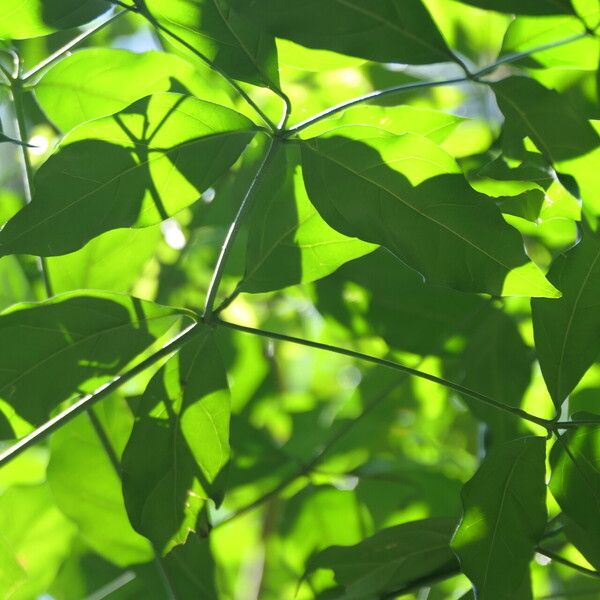
- 🍃 Glossy Foliage: Deep green, leathery leaves with a high-shine finish that grow in opposite pairs, providing year-round beauty even when not in bloom.
🏡 In Your Garden
- 🌫️ Forest Floor Conditions: This plant is an "understory" species, meaning it prefers dappled light and high humidity. It dislikes harsh, direct midday sun, which can scorch its glossy leaves.
- 🌱 Root Stability: It possesses a somewhat sensitive root system and "hates" being moved once established. Choose its permanent home carefully, ensuring the soil is rich in organic matter and well-draining.
- 💧 Moisture Consistency: While it can handle brief dry spells, it performs best when the soil remains consistently moist (but never soggy), mimicking the leaf-littered floor of an African forest.
⚠️ Safety & Toxicity
- 🐾 Low Risk Assessment: Rothmannia manganjae is not currently listed as a highly toxic plant. However, as it belongs to the Rubiaceae family (like Coffee and Gardenia), ingestion can sometimes cause mild digestive upset in curious cats or dogs.
- 🧤 Pruning Care: The sap is generally non-irritating, but it is always best practice to wash your hands after pruning any ornamental tree to avoid potential skin sensitivity.
✨ Fun Fact
The fragrance of the Scented-bells becomes significantly more intense as the sun sets. This is an evolutionary trick to attract hawk moths and other nocturnal pollinators who follow the scent trail through the dark forest canopy.

Detailed Care Instructions







