Plant Overview
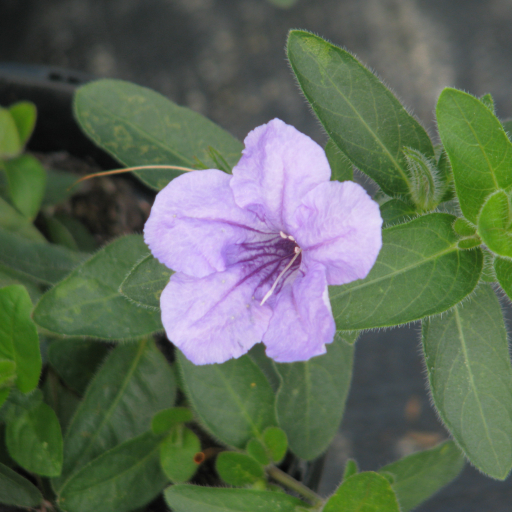
Commonly known as the Ciliate Wild Petunia or "Fringed Ruellia," this charming native wildflower is a favorite for those looking to invite pollinators into their space without the fuss of high-maintenance hybrids. While it shares a name with the common garden petunia, it belongs to an entirely different family and is a resilient survivor of the North American prairies. Its delicate, trumpet-like blooms look like silk, but the plant itself is as tough as they come.
🔍 How to Identify
- 🌸 The Bloom: Large, five-lobed flowers that range from pale lavender to deep violet. They are trumpet-shaped and typically appear individually or in small clusters.
- 🌿 Fringed Foliage: The species name ciliosa refers to the "cilia" or tiny, fringe-like hairs that line the edges of the leaves and stems, giving the plant a soft, slightly fuzzy appearance.
- 📏 Growth Habit: This is a low-growing perennial, usually staying between 1 and 2 feet tall. Its stems are sturdy and square-ish, often showing a purplish tint under the sun.
🏡 In Your Garden
- 🦋 Pollinator Magnet: This plant is a critical resource for long-tongued bees and butterflies. Most importantly, it serves as a host plant for the Common Buckeye butterfly caterpillars—so if you see a few leaves being munched on, celebrate your contribution to the ecosystem!
- 🏜️ Drought Warrior: Once established, Ruellia Ciliosa is incredibly drought-tolerant thanks to its deep root system. It prefers well-drained, even sandy soil, and actually performs better in "lean" dirt than in overly fertilized garden beds.
- ☀️ Sun Seeker: While it can handle partial shade, it produces the most flowers when it gets plenty of direct sunlight. It’s an ideal candidate for rock gardens or the edges of native wildflower meadows.
⚠️ Safety & Toxicity
- ✅ Safe for All: Ruellia ciliosa is generally considered non-toxic to humans, dogs, and cats.
- 🧤 Skin Sensitivity: While not poisonous, the fine hairs on the stems can be slightly irritating to those with very sensitive skin. Wearing gloves while pruning is a good practice if you have known skin allergies.
✨ Fun Fact
💥 Ballistic Seeds: This plant has a "explosive" way of spreading! When the seed pods dry out, they become spring-loaded. A single drop of rain or a heavy breeze can trigger the pod to snap open, flinging seeds up to 10 feet away from the mother plant to ensure the next generation has plenty of space to grow.

Detailed Care Instructions
To grow Ruellia ciliosa, also known as orange hairy petunia or firecracker plant, you can follow these steps:
- Choose the right location: Ruellia ciliosa prefers a sunny spot with well-draining soil. Ensure that the chosen area receives at least 6-8 hours of direct sunlight per day.
- Planting: Dig a hole in the soil slightly larger than the root ball of the plant. Place the plant in the hole, making sure it is planted at the same level as it was in the nursery pot. Backfill the hole with soil and gently firm it around the plant.
- Watering: After planting, water the Ruellia ciliosa thoroughly to settle the soil. Water the plant regularly, ensuring that the soil remains evenly moist but not waterlogged. During hot and dry periods, increase the frequency of watering.
- Fertilizing: Apply a balanced, slow-release fertilizer to the plant during the growing season. Follow the instructions on the fertilizer package for application rates. This will provide essential nutrients for healthy growth and abundant blooms.
- Pruning: Ruellia ciliosa benefits from light pruning to maintain its shape and promote bushy growth. You can trim back any overgrown or damaged branches in early spring or after flowering.
- Mulching: Apply a layer of organic mulch around the base of the plant to help conserve moisture, control weed growth, and maintain a more consistent soil temperature.
- Pests and diseases: Monitor the plant for any signs of pests or diseases, such as aphids or powdery mildew. If detected, take appropriate measures to control the problem, such as using insecticidal soap for pests or a fungicide for fungal diseases.
- Propagation: To propagate Ruellia ciliosa, you can take stem cuttings in late spring or early summer. Dip the cut end of the stem in a rooting hormone and plant it in a well-draining potting mix. Keep the soil evenly moist and place the cutting in a warm, bright location. It should root and develop into a new plant within a few weeks.
By following these steps, you can successfully grow Ruellia ciliosa and enjoy its beautiful orange blooms.
To water this plant, you should first inspect the soil to ensure that it has dried out completely before watering it again. When watering the plant, slowly pour water onto the soil, being careful not to get water on the leaves or stem as this can cause damage. You should water the plant deeply enough to allow the water to reach the roots but avoid leaving standing water in the soil. It is recommended to water this plant regularly but ensure that the soil is not waterlogged, as this can cause root rot and other issues.
To fertilize this plant, apply a balanced, water-soluble fertilizer every two weeks during the growing season. Use a dilution of 1/2 teaspoon fertilizer per gallon of water. Water the plant thoroughly before and after fertilizing to prevent burning the roots. Avoid over-fertilizing, as this can lead to excessive growth and decreased flowering.
Ruellia Ciliosa plant prefers a well-draining soil that is rich in nutrients. The soil should be loamy and fertile, with a slightly acidic to neutral pH level. It is important to avoid using heavy clay soils or soils that are prone to waterlogging, as these can lead to root rot and other issues. Organic matter such as compost or well-rotted manure can be added to the soil to improve its structure and fertility. In addition, adding perlite or sand can improve drainage. It is also important to ensure that the soil is moist but not waterlogged, so watering should be done sparingly and only when the top layer of soil feels dry to the touch.
To propagate this plant, one can take stem cuttings from healthy and mature plants. The cuttings should be at least 6 inches long and have several nodes on them. The lower leaves should be removed, and the cutting should be dipped in rooting hormone before being planted in well-draining soil. The cutting should be watered regularly and placed in a warm and humid place until roots start to form. Once the cuttings have rooted, they can be transplanted into individual containers or directly into the garden. It is important to avoid overwatering the young plants and to provide them with adequate sunlight and nutrients for healthy growth.








