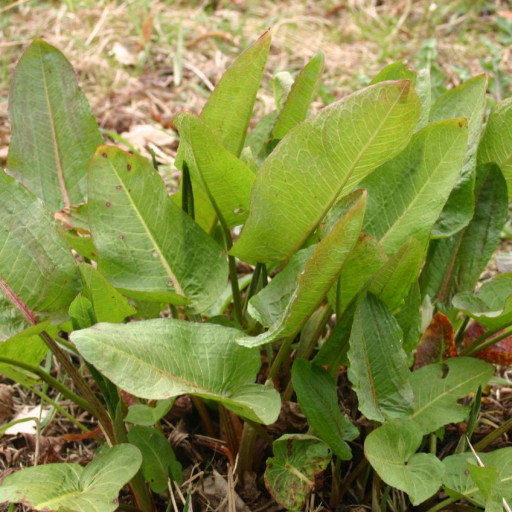
Plant Overview
Often called the "Nettle’s Best Friend," Broad-leaved Dock is a familiar sight in meadows, gardens, and waysides across the globe. Known for its incredible resilience and its long-standing reputation as a natural remedy for stings, this plant is a pioneer of disturbed soil. Whether you view it as a stubborn weed or a useful herb, its presence is a testament to nature's ability to reclaim the earth.
🔍 How to Identify
- 🍃 Broad Oval Leaves: The leaves are remarkably large, wide, and rounded at the tips, often featuring a distinct heart-shaped base where they meet the stem.
- 🧣 Red-Tinged Stems: The stalks are thick and sturdy, frequently displaying a reddish or purple hue, especially toward the bottom of the plant.
- 🌾 Rusty Flower Spikes: In summer, it sends up tall, branched stalks covered in tiny green flowers that eventually mature into dense, papery, rust-colored seed clusters.
🏡 In Your Garden
- ⛏️ The Deep Taproot: One reason this plant is so hard to remove is its massive, woody taproot. It can reach deep into the subsoil, and if even a small fragment is left behind during weeding, the plant will likely regenerate.
- 🦋 Wildlife Value: While gardeners often fight it, Broad-leaved Dock is a vital food source for several species of butterflies and the vibrant green Dock Leaf Beetle, making it a "friend" to biodiversity in wilder garden corners.
⚠️ Safety & Toxicity
- 🐾 Oxalic Acid Content: The leaves contain high levels of oxalic acid. While humans sometimes use young leaves in small amounts (similar to spinach), large quantities are toxic and can lead to kidney stones or mineral deficiencies.
- 🐄 Livestock Warning: It is generally considered a nuisance in pastures because it can be toxic to sheep and cattle if eaten in significant volume, though most animals find it too bitter to graze on.
✨ Fun Fact
For centuries, children have practiced the ritual of "Dock in, Nettle out," rubbing a crushed dock leaf onto a stinging nettle rash to soothe the pain. While science suggests the relief is mostly due to the cooling sap and a placebo effect, nature conveniently grows these two plants side-by-side!

Detailed Care Instructions
| Toxicity | Poisonous |
To grow Rumex Obtusifolius (commonly known as bitter dock or broadleaf dock), follow these steps:
- Choose a Suitable Location: Select a spot in your garden or a container with partial to full sunlight. The plant can tolerate a wide range of soil conditions but prefers moist, fertile soil.
- Prepare the Soil: Ensure the soil is well-draining and amend it with organic matter like compost or well-rotted manure. This will provide nutrients and improve soil structure.
- Start from Seeds: If you have access to seeds, sow them directly into the prepared soil in spring or autumn. Lightly cover the seeds with soil and water gently.
- Maintain Moisture: Keep the soil consistently moist throughout the germination period, which typically takes around 10-14 days. Water regularly, especially during dry spells.
- Thin and Space Out Seedlings: Once the seedlings emerge and grow a few inches tall, thin them out to allow adequate space for each plant to grow. Space them around 12-18 inches apart.
- Mulch and Weed Control: Apply a layer of organic mulch around the plants to suppress weeds, conserve moisture, and maintain even soil temperature.
- Watering and Fertilization: Keep the plants well-watered, especially during hot and dry periods. Supplement with well-balanced organic fertilizer once or twice during the growing season to promote healthy growth.
- Pruning and Harvesting: Bitter dock can often grow quite tall and develop a woody stem. Prune off any dead or dying stems and harvest the leaves regularly for culinary or medicinal use. This will also encourage the plant to produce fresh growth.
- Pest and Disease Control: Bitter dock is generally a hardy and resilient plant but can occasionally be affected by pests like aphids or diseases such as rust. Monitor the plants regularly, remove any infested or diseased leaves, and apply appropriate organic remedies if necessary.
Remember to check your local regulations regarding the growth and cultivation of Rumex Obtusifolius, as it is considered invasive in some regions.

Place in a bright room that is sun drenched almost all day. Or directly in a south-facing window.

To water this plant, you should thoroughly soak the soil around the base of the plant. The frequency of watering will depend on the weather conditions and the moisture level in the soil. It is recommended that you check the soil moisture level regularly by inserting your finger about 1 inch into the soil. If the soil feels dry at this depth, it is time to water. However, if the soil feels moist, you can hold off on watering for a few more days. Be sure to avoid getting water on the leaves or flowers of the plant, as this can encourage the growth of mold and disease. Additionally, it is best to water the plant in the morning or late afternoon when the weather is cooler, as watering during the heat of the day can cause the water to evaporate quickly without being absorbed by the plant.
- Choose a balanced fertilizer with equal parts nitrogen, phosphorus, and potassium.
- Apply the fertilizer in the early spring before the growing season begins.
- Spread the fertilizer evenly around the base of the plant.
- Water the plant lightly after applying the fertilizer to help it soak into the soil.
- Avoid over-fertilizing, as this can cause the plant to become too bushy and interfere with its growth.
The ideal soil for this particular plant is a well-draining loamy soil that is rich in nutrients. It should have a pH level of around 6.0-7.5. The soil should be kept moist but not wet and should not be allowed to dry out completely between waterings. A soil mix with compost or well-rotted manure can be added to improve soil quality and provide additional nutrients. The plant prefers a fertile soil that is slightly acidic to neutral pH. The soil should be aerated to allow for good oxygen levels and drainage. It is important to keep the soil free of weeds and debris to prevent competition for nutrients.
To propagate the plant, one can collect seeds after the flowers have bloomed and dried. The seeds can then be sown directly into the soil, or they can be started indoors and transplanted later. It is important to keep the soil moist during the germination process. Alternatively, the plant can be propagated by taking stem cuttings from a healthy plant and placing them in water or moist soil until they develop roots. After the roots have formed, the cuttings can be potted in soil and cared for until they grow into new plants.








