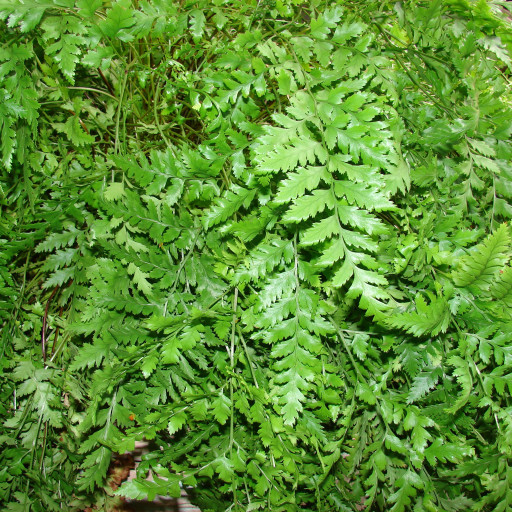
Plant Overview
Often called the "Leatherleaf Fern" or "Iron Fern," this resilient beauty is the unsung hero of the floral world. While you have likely seen its glossy fronds tucked into professional bouquets, it is a stunning, long-lived perennial that brings a touch of prehistoric elegance to any shady corner. Native to the Southern Hemisphere, it is beloved by gardeners for its "tough-as-nails" attitude toward neglect.
🔍 How to Identify
- 🌿 The Fronds: Deep green, glossy, and leathery to the touch. They are distinctly triangular and can grow up to three feet long in the wild.
- 🪵 The Rhizome: Look at the base; the plant grows from thick, creeping, "furry" brown rhizomes that look a bit like a rabbit's foot.
- 🛡️ The Sori: On the underside of mature leaves, you will see neat rows of round, dark spore cases. These are often covered by a tiny, shield-like membrane called an indusium.
🏡 In Your Garden
- 💧 Low-Maintenance Luxury: Unlike the finicky Maidenhair fern, the Leatherleaf is incredibly forgiving. It prefers consistent moisture but is surprisingly drought-tolerant once its root system is established.
- 🌑 Shadow Dweller: It thrives in dappled or deep shade. In fact, too much direct sunlight will bleach the rich emerald color of the leaves to a sickly yellow.
- 🪴 Slow & Steady: It has a slow growth habit and doesn't like to be moved. It develops a deep taproot-like system from its rhizomes, so choose its "forever home" carefully to avoid transplant shock.
⚠️ Safety & Toxicity
- 🐾 Pet Friendly: Great news for animal lovers—the Leatherleaf Fern is considered non-toxic to cats, dogs, and horses.
- 🧤 Skin Sensitivity: While not poisonous, the fuzzy rhizomes and the spores on the underside of the leaves can occasionally cause mild skin irritation for people with highly sensitive skin.
✨ Fun Fact
This plant earned the nickname "Seven Weeks Fern" because its cut fronds are so durable they can remain vibrant and green in a vase of water for up to seven weeks without wilting!

Detailed Care Instructions
| Color | Green |
| Soil Ph | Acidic To Neutral |
| Humidity | High |
| Lighting | Part Sun |
| Toxicity | Non-Toxic |
| Soil Type | Moist, Well-Draining, Loamy, Or Sandy |
| Bloom Time | Not Applicable |
| Difficulty | Hard |
| Plant Type | Fern |
| Mature Size | Up To 5 Feet Tall With A 3.3-Foot Spread |
| Native Area | Southern Hemisphere |
| Temperature | 18°C - 24°C |
| Sun Exposure | Partial To Full Shade |
| Hardiness Zones | 9-11 |
To grow Rumohra adiantiformis, also known as leatherleaf fern or iron fern, follow these steps:
- Choose a suitable location: This fern thrives in partially or fully shaded areas with filtered light. It prefers high humidity and temperatures between 60-75°F (15-24°C).
- Prepare the soil: Rumohra adiantiformis prefers moist, well-draining soil. Prepare a planting area with a mix of peat moss, compost, and sand to improve drainage.
- Planting: Dig a hole in the prepared soil, slightly larger than the plant's root ball. Place the fern in the hole and backfill it with soil, making sure the crown of the fern (where the leaves emerge) is at the same level as the soil surface. Gently firm the soil around the plant.
- Watering: Water the fern deeply after planting and keep the soil consistently moist. Avoid overwatering or allowing the soil to dry out completely. Mist the leaves occasionally to maintain high humidity.
- Fertilization: Feed the fern with a balanced houseplant fertilizer diluted to half-strength every two to four weeks during the growing season (spring through summer). Follow the instructions on the fertilizer packaging for proper dosage.
- Pruning: Trim off any dead or yellowing fronds throughout the year to maintain a tidy appearance. Cutting these fronds also encourages new growth.
- Transplanting: If your Rumohra adiantiformis outgrows its space, you can transplant it into a larger pot or a shaded garden area. Gently remove the plant from its current location, taking care not to hurt the roots, and replant it in the new location following the same planting instructions.
- Pest control: Monitor your fern for pests such as spider mites, aphids, or scale insects. Treat any infestations with organic insecticides or by washing the fern with soapy water.
With proper care and attention, Rumohra adiantiformis should grow well and make a lovely addition to your indoor or outdoor garden.

Place in a window with dappled sun or a spot in the middle of a room. Or directly in a window facing west or east.

To water this plant, you should first check the soil moisture by feeling the top inch of soil with your fingers. If it feels dry, then it is time to water. Use room temperature water to avoid shocking the plant's roots. Slowly pour the water at the base of the plant, being careful not to splash water on the foliage. Water until water starts to drain out the bottom of the pot, and then discard any excess water. Avoid letting the plant sit in standing water as this can cause root rot. Watering frequency will vary depending on the environment and climate, but generally, this plant prefers consistently moist soil.
To provide adequate nutrition for this fern, apply a balanced fertilizer (such as a 20-20-20 or 10-10-10 ratio) every 2-4 weeks during the growing season. Use a water-soluble fertilizer and dilute it to half strength to avoid over-fertilization. Apply the fertilizer directly to the soil, not on the foliage. Avoid fertilizing during the dormant season. Additionally, incorporate organic matter into the soil to enrich it and promote healthy growth.
The ideal soil for the plant in question is a well-draining and moisture-retentive soil mix. It should have an acidic to neutral pH level and should be rich in organic matter. The soil should be comprised of a blend of peat moss, perlite, vermiculite, and coarse sand to promote a healthy root system. The plant prefers soil that is moist but not overly saturated. It is important to avoid using hard water as it can cause damage to the plant. Additionally, the soil should be fertilized regularly with a balanced fertilizer to ensure optimal growth and health.
The process of propagating this plant involves selecting a healthy mature frond with a well-formed rhizome. The rhizome should have several buds or small plants attached to it. Carefully loosen the rhizome from the soil, being careful not to damage any of the buds.
Once the rhizome has been removed from the soil, carefully separate the individual buds or plants from the rhizome. Gently pull apart the rhizome and the roots until the buds come loose. Be sure to handle the plants gently to avoid damaging the delicate foliage.
Next, prepare a well-draining potting mix and fill a small pot with it. Make a hole in the mix and gently insert the plant into the hole, taking care not to bury the fronds. Water the plant thoroughly, but do not allow it to sit in water.
Place the newly potted plants in a warm, humid location with bright, but indirect sunlight. Provide them with regular watering and misting to keep the soil and foliage moist. After a few weeks, the plants should establish themselves and begin to grow new fronds.
Common pests of the leatherleaf fern include Mealybugs, spider mites, aphids. Make a habit of checking your leatherleaf fern frequently for pests so that any infestations can be caught and managed early.








