Plant Overview
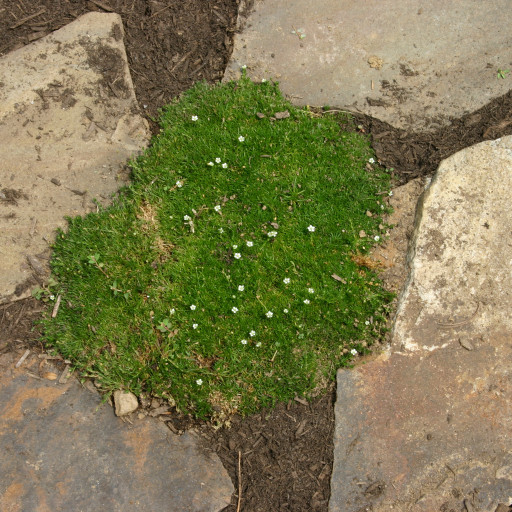
Often called "Irish Moss," this lush, velvet-like groundcover creates a fairytale atmosphere in any garden. Despite its name and appearance, it isn’t a true moss at all but a hardy flowering perennial that loves to tuck itself between stepping stones or spill over rock walls. It’s the ultimate "living carpet" for those looking to add a touch of woodland magic to their landscape.
🔍 How to Identify
- 🌿 Leaf Texture: Features tiny, needle-like emerald leaves that are soft to the touch and stay vibrant green year-round in mild climates.
- 🌸 Bloom Style: In late spring and summer, the green mat is dotted with miniature, five-petaled white flowers that look like tiny stars.
- 📏 Growth Habit: It stays incredibly low to the ground (rarely exceeding 2 inches) and spreads slowly via creeping stems to form a dense, seamless cushion.
🏡 In Your Garden
- 💧 The Moisture Balance: Irish Moss thrives in consistently moist environments but will "melt" or rot in standing water. It requires soil that drains quickly to keep its roots happy.
- 👣 Foot Traffic Nuance: While it’s the classic choice for filling gaps between pavers, it only tolerates light foot traffic. It is better suited for the edges of a path rather than the high-traffic center.
- ☀️ Heat Sensitivity: In hotter regions, this plant can struggle. If you live in a sunny, dry climate, provide it with afternoon shade to prevent the center of the clumps from browning out.
⚠️ Safety & Toxicity
- ✅ Safe Status: Sagina subulata is non-toxic to humans, dogs, and cats.
- 🧤 Sensory Friendly: Because it is soft and lacks thorns or irritating sap, it is a top choice for children’s "fairy gardens" or sensory play areas.
✨ Fun Fact
🌼 Secret Identity: Although it looks identical to bryophytes (true mosses), Irish Moss is actually a member of the Caryophyllaceae family, making it a distant cousin of the Carnation and Baby's Breath!

Detailed Care Instructions
Sometimes referred to as pearlwort, Irish moss is often confused with a similar, but less common species called Scotch moss (Arenaria verna). While alike, Irish moss stays a vibrant green throughout the year and Scotch moss has a more golden shade. When in bloom, both types have little white flowers. The Irish moss variety is solitary, whereas those found on Scotch moss appear in clusters.
Can Irish moss grow indoors?
Though this plant can be grown indoors, it tends to serve as more of a landscaping feature. Some might choose to grow it in wide, flat containers until it is better established, and then transplant it outside.
How long can Irish moss live?
These plants are quite finicky, so don't be surprised if you only get a season out of them. Reseeding Irish moss regularly can help keep the plant looking lush even if you must remove dead growth in nearby areas.
| Color | White |
| Soil Ph | Not Particular |
| Humidity | Normal |
| Lighting | Full Sun |
| Soil Type | Variety Including Sandy, Loamy And Chalky |
| Bloom Time | Late Spring To Early Summer |
| Difficulty | Medium |
| Plant Type | Prostrate Herbaceous Evergreen Perennial |
| Hibernation | Cold Period |
| Mature Size | 2 Inches In Height But Spreads Widely |
| Native Area | Europe |
| Sun Exposure | Full Sun/ Partial Shade |
| Hardiness Zones | 4-8 |
To grow Sagina Subulata (also known as Irish Moss or Heath Pearlwort), follow these steps:
- Select a suitable planting location: Sagina Subulata prefers cool, shaded areas, but it can tolerate some sun if given enough moisture. It thrives in well-draining soil with slightly acidic to neutral pH levels.
- Prepare the soil: Remove any weeds, rocks, or debris from the planting area. If the soil is heavy or compacted, incorporate organic matter like compost or peat moss to improve its drainage.
- Planting seeds or plugs: Sagina Subulata can be grown from seeds or plugs (small plants). If using seeds, surface sow them onto the prepared soil and lightly press them into it. Keep the soil consistently moist until the seeds germinate. Plant plugs by making small holes in the soil the same size and depth as the plugs, gently placing them in, and then firming the soil around them.
- Watering: Keep the soil moist but not waterlogged, especially during the establishment phase. Irish Moss is relatively drought-tolerant once established, but it still benefits from regular watering during dry periods.
- Mulching: Adding a layer of organic mulch, such as wood chips or pine straw, around the plants can help retain soil moisture, keep weeds at bay, and regulate soil temperature.
- Maintenance: Trim or mow the Sagina Subulata regularly to maintain a desired height and shape. Avoid cutting it too short, as this can damage the plant. It's also advisable to periodically remove any dead or damaged foliage.
- Fertilization: Sagina Subulata does not typically require heavy fertilization. However, you can apply a slow-release balanced fertilizer in early spring to promote healthy growth.
- Propagation: You can propagate Sagina Subulata by dividing established clumps or by taking stem cuttings. Division is best done in spring or early fall by carefully separating the plant into smaller sections, making sure each division has roots attached. Stem cuttings can be taken in summer, rooting them in a moist growing medium until they develop roots.
By following these guidelines, you can successfully grow Sagina Subulata and enjoy its beautiful, low-growing mossy appearance.

Place in a window with dappled sun or a spot in the middle of a room. Or directly in a window facing west or east.

Sagina Subulata is a small, delicate plant that requires a careful hand when it comes to watering. When deciding when to water the plant, it's important to consider the soil's moisture levels – you never want to water the plant if the soil is still wet or damp to the touch.
To water Sagina Subulata, you should start by checking the soil’s moisture level by sticking your finger into the soil. If it feels dry to the touch, you can give the plant a light watering. Make sure to avoid watering the leaves and stems of the plant, which can cause damage or disease. Instead, pour water gently at the base of the plant, giving it just enough to moisten the soil.
It's important to note that Sagina Subulata is a plant that prefers moist soil at all times. Be sure to monitor the soil's moisture levels carefully, and water the plant as soon as the top inch of soil feels dry. Overwatering can be dangerous for Sagina Subulata, so make sure to only water the plant when needed.
Overall, watering Sagina Subulata requires care, attention, and a willingness to closely monitor the plant's moisture levels. By following these tips, you can help ensure that your Sagina Subulata thrives and grows into a beautiful, lush plant.
The best time to fertilize this plant is in the early spring or late fall. Use a balanced fertilizer with equal parts of nitrogen, phosphorus, and potassium. Apply the fertilizer evenly over the soil and water thoroughly. Avoid over-fertilizing as it may cause the plant to become leggy and weak. Additionally, fertilize only when the soil is moist to prevent any harm to the plant's root system.
The ideal soil for the plant in question is a well-draining, sandy or loamy soil. It should have good fertility and a slightly acidic or neutral pH level. The plant prefers soils with moderate moisture levels but can tolerate occasional dry spells. The addition of organic matter, such as compost or peat moss, can help improve the soil quality and provide essential nutrients for the plant's growth. It is best to avoid heavy clay soils or those that are constantly waterlogged, as this can lead to root rot or other fungal diseases. Overall, the recommended soil for this plant is a well-balanced, nutrient-rich soil that promotes healthy growth and development.
The method of propagating this plant is done through division. To do this, you first need to gently remove the plant from its pot or garden bed. Once it is removed, you can separate the plant into individual clumps by gently pulling them apart.
It is important to ensure that each clump has several stems and a healthy root system. If the clumps appear too large, you can further divide them into smaller pieces.
After dividing the plant, you can replant each clump in a new pot or garden bed with fertile soil. Water the plant well and keep it in a shaded or partially shaded area until it establishes itself.
This method of propagation is ideal for propagating Sagina Subulata as it allows you to create many new plants from a single parent plant. Additionally, it is a relatively easy process that requires minimal equipment and effort.








