Plant Overview
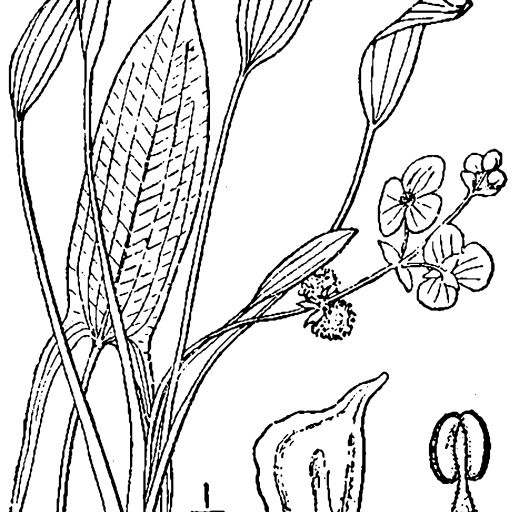
Often called the "Stiff Arrowhead" or "Sessile-fruited Arrowhead," this North American aquatic beauty is a true shapeshifter of the wetlands. While most arrowheads are famous for their namesake leaf shape, Sagittaria rigida is the rebel of the family, often sporting elegant, lance-like foliage that stands tall and defiant against the wind. It is a vital player in marsh ecosystems, acting as both a natural water filter and a buffet for local wildlife.
🔍 How to Identify
- 🍃 Versatile Leaves: When growing above water, the leaves are long and lance-shaped (narrow ovals). However, if the plant is submerged, it produces thin, ribbon-like leaves that look like underwater grass.
- 🌸 Triple-Petaled Blooms: It produces charming white flowers with three rounded petals and a bright "egg yolk" yellow center, usually arranged in whorls along a sturdy stalk.
- 📏 The "Rigid" Stem: Unlike other aquatic plants that flop over, the flowering stems of this species are notably thick and stiff (hence the Latin name rigida), keeping the blooms high above the waterline.
🏡 In Your Garden
- 💧 The Marginal Zone: This plant is a specialist for pond edges and "bog gardens." It prefers to have its "feet" wet, thriving in mud or shallow water up to 6 inches deep.
- 🦢 Wildlife Sanctuary: If you want to see more life in your pond, this is the plant to choose. Its seeds are a favorite snack for ducks, and its dense root system provides a perfect nursery for tadpoles and small fish.
⚠️ Safety & Toxicity
- ✅ Generally Safe: Sagittaria rigida is not considered toxic to humans or pets. In fact, many species in this genus are famous for their edible tubers.
- 🍳 Preparation is Key: While the tubers (often called "Duck Potatoes") are edible and taste similar to chestnuts or potatoes, they should never be eaten raw. They must be boiled or roasted to break down bitter compounds and ensure they are clean from pond pathogens.
✨ Fun Fact
Native American tribes had a clever way of harvesting the edible tubers: women would wade into the marshes and use their toes to dislodge the "potatoes" from the underwater mud. Once freed, the tubers would float to the surface, where they could be easily scooped up into canoes!

Detailed Care Instructions
Here are some steps you can follow to grow Sagittaria Rigida plants:
- Choose a suitable location: Sagittaria Rigida plants prefer full sun to partial shade. Ensure that the area gets at least 6 hours of direct sunlight each day.
- Prepare the planting area: Sagittaria Rigida plants thrive in moist soil, so ensure the planting area has good drainage. If the soil is heavy or compacted, you can amend it with organic matter such as compost or well-rotted manure.
- Plant the tubers: Sagittaria Rigida plants grow from tubers, which are small, bulb-like structures. Plant the tubers about 2-3 inches deep, spacing them 6-12 inches apart. You can plant them directly in the soil or in containers if you prefer.
- Water regularly: Keep the soil evenly moist, but not waterlogged. Water the plants deeply once or twice a week, or as needed to keep the soil consistently moist. Avoid overwatering, as this can lead to root rot.
- Fertilize: Sagittaria Rigida plants benefit from regular fertilization. Use a balanced, slow-release fertilizer every 4-6 weeks during the growing season to provide the necessary nutrients. Follow the instructions on the fertilizer packaging for application rates.
- Control weeds: Weed regularly around the plants to prevent competition for nutrients and water. Mulching can also help suppress weeds and retain moisture in the soil.
- Prune if necessary: If the plants become overgrown or start to overshadow neighboring plants, you can prune them to maintain their shape and size. Use clean and sharp pruning shears to make clean cuts.
- Divide if needed: Over time, Sagittaria Rigida plants can multiply and become crowded. If this happens, you can divide the tubers in early spring or fall. Dig up the clumps, separate the tubers, and replant them in suitable locations.
- Protect from pests and diseases: Sagittaria Rigida plants are generally resistant to pests and diseases. However, occasional issues like snails, slugs, or aphids can affect them. Monitor the plants regularly and take appropriate measures to address any pest or disease problems.
By following these steps, you should be able to successfully grow Sagittaria Rigida plants in your garden or container.

One should place the Sagittaria Rigida plant in a container that is filled with water and make sure that the plant is completely submerged. It is important to ensure that the water level is maintained and kept at a constant level. The plant should be placed in a bright location, but not in direct sunlight. It is recommended to change the water every two weeks to prevent any buildup of algae or bacteria. If the plant is growing too quickly, one can reduce the amount of light it receives or use a fertilizer to slow its growth. Overall, consistent care and attention to the plant's water and light requirements will help it thrive.
To fertilize this plant, you should use a balanced fertilizer with equal amounts of nitrogen, phosphorus, and potassium. Apply the fertilizer once a month during the growing season, which is typically spring through fall. Be careful not to over-fertilize as this can harm the plant. Always follow the fertilizer manufacturer's instructions for application rates and timing. Additionally, you could consider adding organic matter to the soil to improve its fertility and structure.
When selecting soil for this plant, it is important to consider its natural habitat. It typically grows in aquatic or semi-aquatic environments with rich soils that are well-draining. The soil should have good moisture retention but also allow water to move through it easily. Avoid heavy soils that may become waterlogged and reduce oxygen flow to the roots.
A blend of loamy soil, compost, and sand is ideal for this plant. The loamy soil provides nutrients and a stable foundation for the plant, while the compost improves soil structure and adds essential micronutrients. Sand helps to increase soil porosity and drainage.
When planting Sagittaria Rigida, make sure to keep the soil moist but not waterlogged. It is important to avoid drying out the roots or exposing them to prolonged periods of water saturation. A layer of organic mulch can help to regulate soil moisture and prevent the soil from drying out too quickly.
Overall, the key to cultivating healthy Sagittaria Rigida plants is to provide them with a well-balanced soil that mimics their natural habitat and keeps the roots healthy and hydrated.
To propagate this specific type of aquatic plant, begin by identifying healthy stems with several leaves at the top. Cut the stem several inches below the leaves to ensure that the stem is long enough to plant. Trim the lower leaves from the cut stem, leaving only a few at the top.
Next, fill a container with a nutrient-rich aquatic planting medium and place the stem into the soil. Keep the medium moist and place the container in a bright area with indirect sunlight. Over time, new roots will begin to grow from the base of the stem and new leaves will emerge from the top.
Once the new plant has established itself, it can be transplanted into a larger container or planted directly into an aquarium or pond. Make sure to keep the plant well-watered and fertilized to promote healthy growth.








