Plant Overview
Known as the Heart-leaved Salacia, this robust woody climber is a hidden gem of the tropical forests of Southeast Asia and India. It is a member of the Celastraceae family and is often found winding its way through the dense undergrowth, reaching for the canopy. In traditional wellness circles, it is highly regarded for its historical use in ancient medicinal practices like Ayurveda.
🔍 How to Identify
- 🍃 The Foliage: It features large, leathery leaves that are distinctly heart-shaped (cordate) at the base. The leaves are typically a deep, glossy green with prominent veining.
- 🪜 The Growth Habit: It is a "scandent" shrub, meaning it acts like a vine-shrub hybrid. It uses its sturdy, woody stems to scramble over neighboring plants or climb trees.
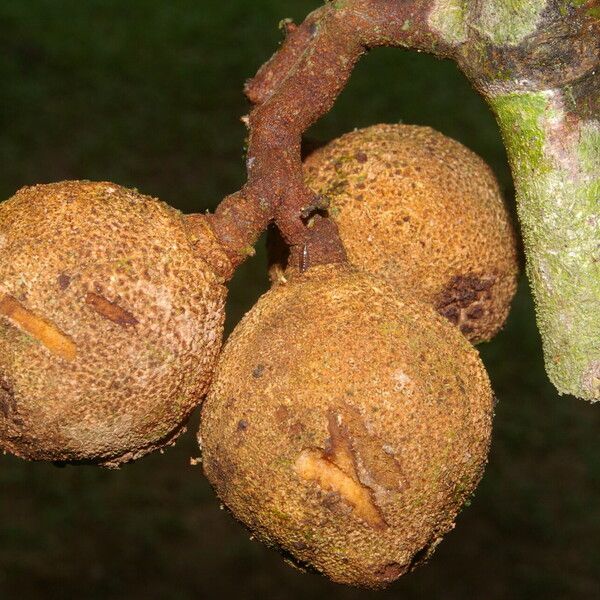
- 🍒 Flowers & Fruit: It produces tiny, inconspicuous greenish-yellow flowers that eventually turn into small, round fruits. These fruits often transition from green to a dull orange or reddish hue as they mature.
🏡 In Your Garden
- 🌦️ Tropical Preferences: Because it originates in humid, tropical climates, it thrives in environments that mimic the forest floor. It prefers "dappled" sunlight—bright enough to grow, but protected from the scorching afternoon sun which can burn its leaves.
- 🪴 Soil Nuance: This plant hates "wet feet." While it loves humidity, it requires a potting mix rich in organic matter that drains very quickly. If you are growing it in a pot, ensure it has plenty of vertical space or a trellis to satisfy its natural climbing instinct.
⚠️ Safety & Toxicity
- 🧪 Safety Assessment: While Salacia cordata has a long history of use in traditional herbal medicine, it should never be ingested raw or without expert supervision.
- 🐾 Pets & Children: There is very limited clinical data regarding its toxicity to domestic pets like cats and dogs. To be safe, treat it as an ornamental-only plant and keep the leathery leaves and berries out of reach of curious toddlers and animals.
✨ Fun Fact
🍬 The Sugar Blocker: Science has a sweet spot for Salacia! Members of this genus contain unique compounds like salacinol and kotalanol, which are being studied for their natural ability to block the enzymes that turn carbohydrates into sugar in the human body.

Detailed Care Instructions
To grow Salacia Cordata, also known as the Heart-leaved Moonseed, you can follow these steps:
- Choose a suitable location: Select a spot that receives partial shade to full sunlight. Salacia Cordata prefers warm climates and thrives in well-draining soil.
- Prepare the soil: Ensure the soil is well-drained and rich in organic matter. You can add compost or well-rotted manure to improve the soil quality.
- Propagation: Salacia Cordata can be propagated by seeds or cuttings. If using seeds, soak them in warm water for 24 hours before planting. Sow the seeds in seed trays or pots, covering them with a thin layer of soil. If using cuttings, take 4-6 inches long cuttings with at least two leaf nodes and plant them directly in the soil or in a pot.
- Watering: Salacia Cordata prefers regular watering. Keep the soil evenly moist but not waterlogged. Avoid overwatering as it may lead to root rot.
- Fertilization: Apply a balanced liquid fertilizer every month during the growing season to encourage healthy growth. Follow the manufacturer's instructions for dosages.
- Pruning: Prune Salacia Cordata to maintain its shape and size, and to remove any dead or diseased branches. Regular pruning can also promote bushier growth.
- Support: If you have young plants or if the plant has weak stems, provide support in the form of stakes or trellis.
- Pests and diseases: Keep an eye out for common pests like aphids, mealybugs, and spider mites. In case of infestation, treat the plant with appropriate insecticides or insecticidal soaps. Additionally, watch for any signs of leaf spots, powdery mildew, or root rot, and take necessary actions to prevent or treat these diseases.
- Harvesting: Salacia Cordata produces small red or orange fruits. Wait until the fruits are fully ripened, which can take several months after flowering, and harvest them. The fruits are edible and are sometimes used in traditional medicine.
Remember to follow the specific care instructions for your region and climate, as conditions may vary.
To effectively water Salacia cordata plants, it is crucial to consider several factors. Here are some guidelines:
- Soil moisture: Salacia cordata prefers well-draining soil that retains some moisture but does not become waterlogged. Ensure the soil consistently stays moist, but not saturated or overly dry.
- Watering frequency: The frequency of watering will depend on various factors such as climate, sunlight exposure, and pot/container size. Typically, watering every 7-10 days is adequate. However, it's important to monitor the soil moisture level and adjust accordingly.
- Seasonal variations: The watering requirements may vary seasonally. During hot summer months, the plant may require more frequent watering, while during cooler seasons, it might require less. Monitor the plant's water needs by assessing the moisture content of the soil.
- Watering method: Use a gentle watering method to avoid disturbing the roots or causing erosion. One effective approach is to use a watering can or a gentle spray nozzle on a hose to evenly moisten the soil around the plant.
- Watering deeply: When watering, it is crucial to ensure that water reaches the root zone. Water deeply to encourage the plant's roots to grow deeper into the soil. Shallow watering may lead to surface-level root growth, which can make the plant more susceptible to drying out.
- Assessing soil moisture: Before watering, check the soil moisture level by sticking your finger about an inch into the soil. If it feels dry at that depth, it's time to water. However, if the soil is still moist, wait a few more days before watering again.
- Proper drainage: Adequate drainage is critical to prevent waterlogging or standing water around the plant's roots. Ensure that the pot or container has drainage holes to allow excess water to escape, preventing root rot and other water-related issues.
Remember that the watering needs of Salacia cordata may vary slightly based on individual plant preferences and environmental conditions. Observing the plant closely and responding accordingly will ensure optimum watering practices.
- Choose a well-draining pot or planting location for your Salacia Cordata plant.
- Prepare a well-balanced, water-soluble fertilizer suitable for indoor or outdoor plants.
- Dilute the fertilizer according to the manufacturer's instructions, usually in a ratio of 1 teaspoon of fertilizer per gallon of water.
- Apply the fertilizer to the plant's soil or potting mix, avoiding direct contact with the leaves or stems.
- Water the plant thoroughly after fertilizing to aid in nutrient absorption.
- Repeat the fertilization process once every three to four weeks during the growing season, typically from spring to fall.
- Monitor the plant's growth and health to determine if additional fertilization is required. Adjust the frequency and strength of fertilization based on the plant's response and specific needs.
- Remember to follow proper plant care practices, such as providing adequate sunlight, water, and humidity, in addition to the fertilization routine.
Salacia Cordata is a tropical plant that grows well in a variety of soil types. The ideal soil for this plant should be well-draining, fertile, and rich in organic matter. It should have a slightly acidic to neutral pH level, ranging from 5.5 to 7.
To create a suitable soil mix for Salacia Cordata, you can start with a base of loamy soil. Loam is a balanced combination of sand, silt, and clay, which provides good drainage while retaining moisture and nutrients.
To improve the soil structure and fertility, you can add organic matter such as compost or well-rotted manure. Organic matter helps to increase the soil's ability to retain moisture, improves its nutrient-holding capacity, and enhances microbial activity.
Adding perlite or pumice to the soil mix can enhance drainage and prevent soil compaction. This is particularly important for Salacia Cordata, as it prefers well-draining soil to prevent root rot.
It is also advisable to amend the soil with a slow-release fertilizer to ensure a steady supply of nutrients for the plant's growth and development. Choose a balanced fertilizer with an NPK ratio of around 10-10-10 or similar.
Overall, the ideal soil for Salacia Cordata should provide adequate drainage, moisture retention, and nutrient availability. Regular watering and monitoring of soil moisture levels are necessary to keep the plant healthy and thriving.
To propagate Salacia cordata, follow these steps:
- Choose a healthy and mature Salacia cordata plant that you want to propagate. It is important to select a plant that is disease-free and has no signs of damage.
- Prepare a pot with well-draining soil. Salacia cordata prefers slightly acidic soil with good drainage. You can use a mix of potting soil, sand, and perlite to create an ideal growing medium.
- Take a stem cutting from the parent plant. Look for a healthy stem that is at least 4-6 inches long and has multiple leaves. Use a sharp and sterilized pair of scissors or pruning shears to make a clean cut just below a node.
- Remove the lower leaves from the stem cutting, leaving only a few leaves at the top. The removal of lower leaves helps prevent the cutting from losing too much moisture and promotes root development.
- Optional: Dip the cut end of the stem in a rooting hormone powder or gel. This step can enhance the chances of successful rooting but is not necessary.
- Make a small hole in the prepared soil using a pencil or your finger. Insert the stem cutting into the hole, ensuring that at least two nodes are buried beneath the soil. Gently press the soil around the cutting to secure it in place.
- Water the cutting thoroughly, ensuring that the soil is evenly moist but not waterlogged. Place the pot in a warm and bright location, away from direct sunlight.
- Provide humidity to the cutting by covering the pot with a clear plastic bag or using a mini greenhouse. This helps create a microclimate that promotes root development. Ensure there is enough airflow inside the enclosure to prevent fungal growth.
- Check the soil moisture regularly and water when necessary to maintain consistent moisture levels. Avoid overwatering, as excessive moisture can lead to rotting.
- After a few weeks, gently tug on the stem cutting to check for resistance, indicating root development. Once you feel resistance, it indicates that the cutting has established roots.
- Once the cutting has developed a healthy root system, it can be transplanted into a larger pot or directly into the garden. Ensure the new location provides the necessary conditions for the Salacia cordata plant to thrive.
Note: It's always good to consult local regulations and guidelines before propagating or transferring plants, especially if Salacia cordata is considered an invasive species in your area.








