Plant Overview
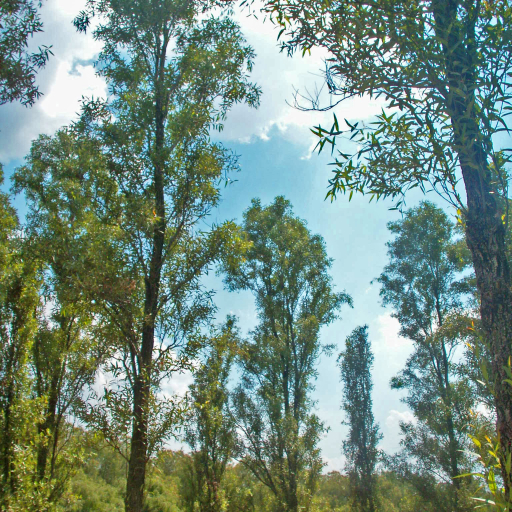
The Bonpland Willow, affectionately known as the Ahuejote (meaning "water willow" in Nahuatl), is a graceful, moisture-loving tree with deep roots in ancient history. Once the architectural backbone of the Aztec "floating gardens," this willow is more than just a decorative plant—it is a living tool for land building and erosion control. Its slender, upright form makes it look like a shimmering green pillar rising from the water’s edge.
🔍 How to Identify
- 🍃 The Foliage: Look for long, narrow, lance-shaped leaves that are bright green on top and feature a distinctive waxy, silvery-white underside.
- 🪵 Growth Habit: Unlike many weeping willows, the Ahuejote grows predominantly upright and columnar, reaching heights of up to 40 feet with a relatively narrow spread.
- 🌾 Spring Catkins: In early spring, the tree produces slim, cylindrical flower clusters called "catkins" that are yellowish-green and appear right as the new leaves begin to bud.
🏡 In Your Garden
- 💧 Thirst for Life: This isn't a tree for a dry hillside; it craves "wet feet." It is the perfect choice for stabilizing the banks of a backyard pond or a muddy creek where other trees might suffer from root rot.
- 🏗️ The Living Fence: Because of its vertical growth, it is a favorite for "hedgelaying." If planted closely in a row, the trees create a dense, living screen that provides privacy without taking up the massive horizontal footprint of an oak or maple.
- 🌱 Root Awareness: Be mindful of where you plant! Like all willows, their roots are aggressive seekers of moisture and should be kept far away from underground pipes, septic tanks, or home foundations.
⚠️ Safety & Toxicity
- ✅ Generally Safe: The Bonpland Willow is considered non-toxic to humans, cats, and dogs, making it a safe choice for family landscapes.
- 🧪 Aspirin Ancestry: The bark contains salicin, the natural compound used to develop aspirin. While not a "poison" risk, grazing on the bark can cause stomach upset in curious pets due to the bitter taste and medicinal properties.
✨ Fun Fact
The Ahuejote was essential to the survival of the Aztec Empire. Farmers used these trees to anchor chinampas (artificial islands) in the middle of lakes; the tree roots acted like biological rebar, holding the mud and soil in place so crops could be grown on top of the water!

Detailed Care Instructions
To grow Salix bonplandiana (also known as Bonpland willow), you can follow these steps:
- Obtain a Salix bonplandiana cutting: This can be done by either purchasing a cutting from a nursery or taking a cutting from an existing Salix bonplandiana plant. If taking a cutting, ensure it is a healthy branch that is at least 6-8 inches long.
- Prepare a planting medium: Use a mixture of equal parts of potting soil, sand, and perlite to create a well-draining medium for your cutting.
- Prepare the cutting: Trim the bottom of the cutting at a 45-degree angle just below a leaf node. Remove any leaves from the bottom half of the cutting to prevent excessive water loss.
- Plant the cutting: Dip the bottom end of the cutting in a rooting hormone to promote root development. Make a hole in the planting medium and insert the cutting, ensuring that at least two nodes are buried in the soil. Gently press the soil around the cutting to secure it.
- Provide proper conditions: Place the potted cutting in a well-lit area that receives indirect sunlight. Maintain the temperature around 70-75°F (21-24°C) for optimal growth. Keep the soil consistently moist but not waterlogged.
- Maintain humidity: Since Salix bonplandiana prefers high humidity, you can cover the cutting with a plastic bag or place it in a propagator to create a greenhouse-like environment. This will help retain moisture and promote root development.
- Monitor and care for the cutting: Regularly monitor the moisture level in the soil and water as needed to keep it consistently moist. Avoid overwatering, as it can lead to root rot. Mist the foliage daily to maintain high humidity, especially if the plastic bag or propagator is not used.
- Gradual acclimatization: After about 6-8 weeks, when the cutting has developed roots, you can gradually expose it to outdoor conditions. Start by placing it in a sheltered area with partial shade, gradually increasing the exposure to sunlight over the course of a week or two.
- Transplanting: Once the cutting has established a strong root system, typically after a few months, it can be transplanted into a larger pot or directly into the ground. Choose a location with well-draining soil and sufficient sunlight.
- Ongoing care: Regularly water the plant, especially during dry periods, and provide occasional fertilization with a balanced liquid or slow-release granular fertilizer. Prune as needed to maintain shape and remove dead or damaged branches.
Remember that growing Salix bonplandiana may require some patience and diligence, as it can take some time for the cutting to establish and grow into a mature plant.

Place in a bright room that is sun drenched almost all day. Or directly in a south-facing window.

To water this plant, you will need to provide it with a sufficient amount of moisture. The best way to do this is to ensure that the soil remains moist at all times. This can be achieved by watering the plant regularly, approximately once a week or as needed based on the moisture levels of the soil.
When watering, make sure to thoroughly saturate the soil to a depth of at least 6 inches. This will help to ensure that the plant's roots receive enough moisture to grow and thrive. However, be careful not to overwater the plant, as this can lead to root rot or other issues.
If you notice that the plant's leaves are turning yellow or dropping off, this may be a sign that it is not receiving enough water. In this case, increase the frequency and amount of watering until the plant appears healthy and vibrant.
In addition to watering, you may also want to consider using a fertilizer to provide the plant with additional nutrients. This can help to promote healthy growth and ensure that the plant is able to reach its full potential.
To fertilize this plant, use a balanced fertilizer with equal amounts of nitrogen, phosphorus, and potassium. Apply the fertilizer in early spring or late fall, before or after the growing season. Spread the fertilizer evenly over the soil around the plant, avoiding direct contact with the leaves or stem. Water the plant thoroughly after fertilizing to help the nutrients reach the roots. Repeat this process annually to maintain optimal growth and health of the plant.
The recommended soil type for Salix Bonplandiana plant is a loamy soil that is well-draining and rich in organic matter. It is also recommended to have a soil pH between 5.5 and 7.5. This type of soil allows for proper root development and allows the plant to absorb nutrients more effectively. It is important to ensure that the soil does not become waterlogged, as this can lead to root rot. Additionally, adding compost or other organic matter to the soil can improve soil fertility and water retention.
To propagate this plant, take a cutting from a healthy and mature plant. The cutting should be at least 4 inches long and have at least two nodes. Remove the leaves from the lower half of the cutting. Dip the cut end of the cutting in rooting hormone and plant it in a pot filled with well-draining soil. Water the cutting and keep it in a warm and humid place with filtered light. Make sure to keep the soil moist but not too wet. The cutting should develop roots in about 4-6 weeks and can be transplanted into a larger pot or directly into the ground once it has established itself.








