Plant Overview
Often called the "Harbinger of Spring," the American Pussy Willow is a beloved deciduous shrub famous for its soft, velvety catkins that resemble tiny kitten paws. Native to North American wetlands, it transforms from a dormant twig into a silver-furred marvel long before its leaves emerge. These branches are a staple in floral arrangements, symbolizing renewal and the end of the frost.
🔍 How to Identify
- 🐾 The Catkins: The most iconic feature—silvery-gray, soft, and fuzzy flower clusters that appear in late winter or early spring before any foliage develops.
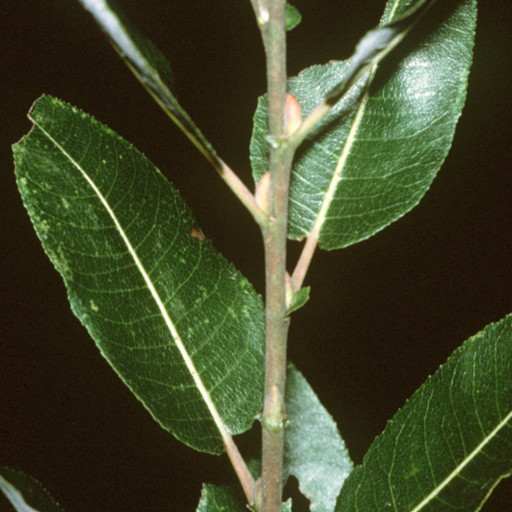
- 🍃 Leaf Structure: Leaves are alternate and lance-shaped, featuring a dark green top and a distinct "glaucous" (waxy, bluish-white) underside that shimmers in the breeze.
- 🪵 The Bark: Young stems are smooth and often display a beautiful reddish-brown or purple hue, while older trunks develop a more rugged, gray, furrowed texture.
🏡 In Your Garden
- 💧 The "Wet Feet" Expert: Because its natural habitat is swamps and stream banks, this willow is the perfect candidate for rain gardens or low-lying spots where other plants might drown.
- ✂️ Pruning for Plushness: To keep those iconic fuzzy catkins coming, the plant benefits from "coppicing"—cutting the stems back significantly every few years to encourage the growth of long, vigorous new shoots.
- 🐝 Pollinator Lifeline: It provides one of the very first sources of pollen and nectar for honeybees and native pollinators emerging from hibernation when little else is in bloom.
⚠️ Safety & Toxicity
- 🌿 Safe but Bitter: While not considered highly toxic to humans, the bark and leaves contain salicin (the natural precursor to aspirin), which has a very bitter taste.
- 🐾 Pet Sensitivity: If cats or dogs ingest the branches or leaves, they may experience mild gastrointestinal upset, drooling, or vomiting due to the salicin content. Keep decorative dried branches out of reach of curious chewers.
✨ Fun Fact
💊 The Original Aspirin: The genus name Salix is the root of the word "Salicylic Acid." For thousands of years, civilizations from the ancient Egyptians to Native Americans used willow bark tea to treat pain and fevers before modern aspirin was ever bottled!

Detailed Care Instructions
| Color | White With Yellow Stamens And Greenish Styles |
| Soil Ph | 6.8-7.2 |
| Lighting | Full Sun |
| Soil Type | Loamy, Rich |
| Bloom Time | Winter, Spring |
| Plant Type | Deciduous Shrub |
| Mature Size | 6 To 20 Feet Tall, Spread 4 To 12 Feet Wide |
| Native Area | North America Wetlands |
| Sun Exposure | Full Sun To Part Shade |
| Hardiness Zones | 4-8 |
To grow Salix discolor, also known as pussy willow, follow these steps:
- Choose a suitable location: Pussy willows prefer full sun to partial shade, ideally receiving at least 6 hours of direct sunlight each day. They can tolerate a wide range of soil types, including wet or poorly-draining soil.
- Prepare the soil: Pussy willows prefer moist soil, so if your soil is dry, add organic matter, such as compost or well-rotted manure, to improve moisture retention. Ensure the soil is well-draining and loosened.
- Select healthy cuttings: Pussy willows are often propagated from cuttings. Harvest cuttings in late winter or early spring when the plant is dormant. Choose young, healthy, pencil-thick stems, about 8-12 inches long, with multiple buds.
- Root the cuttings: Dip the bottom ends (about 1-2 inches) of the cuttings in rooting hormone (optional) to encourage root development. Then, plant the cuttings in a pot or directly in the prepared soil, burying them about 2-3 inches deep.
- Watering: Keep the soil consistently moist but not waterlogged. Water deeply, making sure the water reaches the roots. Avoid overwatering to prevent root rot. Mulching around the plant can help retain soil moisture.
- Pruning: Prune back the plant annually in late winter or early spring to maintain its desired shape and promote vigorous growth. Remove any dead, damaged, or diseased branches.
- Fertilization: Pussy willows do not require much fertilization unless the soil is poor. If needed, apply a balanced slow-release fertilizer in early spring.
- Pests and diseases: Pussy willows are generally resistant to pests and diseases. However, occasional issues may include aphids, scale insects, or fungal diseases. Monitor the plant regularly and take appropriate measures, such as using insecticidal soap or fungicides, if necessary.
- Enjoy the pussy willows: Pussy willows produce beautiful fuzzy catkins in early spring. These catkins can be harvested and used in floral arrangements or left to add interest to your garden.
Remember to check the specific growing requirements for Salix discolor in your region, as conditions can vary.

Place in a window with dappled sun or a spot in the middle of a room. Or directly in a window facing west or east.

To water this plant, one should first check the soil moisture level to ensure it is not already too wet or too dry. This can be done by feeling the top inch of soil with your finger. If it feels dry, it is time to water.
When watering, use a watering can or hose to gently water the soil around the base of the plant. Water slowly to allow the soil to absorb the moisture.
Be careful not to overwater the plant, as this can lead to root rot. Allow the soil to dry out slightly before watering again.
During hot, dry weather, the plant may need to be watered more frequently. In cooler weather or when the soil is already moist, less frequent watering may be necessary.
To fertilize this plant, apply a balanced fertilizer in early spring before new growth appears. Use a slow-release fertilizer and follow the manufacturer's instructions for application rates. Additionally, incorporate organic matter into the soil, such as compost or well-rotted manure, to improve soil fertility and texture. Avoid fertilizing during the growing season, as this can promote excessive vegetative growth at the expense of flower and fruit production.
The preferred soil for Salix Discolor requires a well-draining mixture that is slightly acidic in pH. It should also contain organic matter to promote healthy growth and development. A suitable soil mix can be created by combining equal parts of high-quality potting soil, sand, and peat moss. Additionally, the addition of perlite or vermiculite can help with drainage and aeration, while limestone can raise the pH if needed. It is important to ensure that the soil is kept consistently moist but not waterlogged to prevent root rot.
Salix Discolor can be propagated via stem cuttings. First, select a healthy section of the stem with new growth and at least two nodes. Cut the stem at a 45-degree angle with a clean sharp pair of garden shears. Remove the leaves from the lower third of the stem to reduce water loss and to encourage root growth. Dip the cut end into rooting hormone to stimulate root growth. Next, insert the stem cutting into a pot filled with moist potting soil. Cover the pot with a clear plastic bag to retain moisture and increase humidity. Place the pot in a warm, bright location, but not in direct sunlight. It takes approximately 4-6 weeks for the roots to form. Once roots have formed, remove the plastic bag and transplant to a larger container or into the ground.
Common pests of the pussy willow include Larvae. Make a habit of checking your pussy willow frequently for pests so that any infestations can be caught and managed early.








