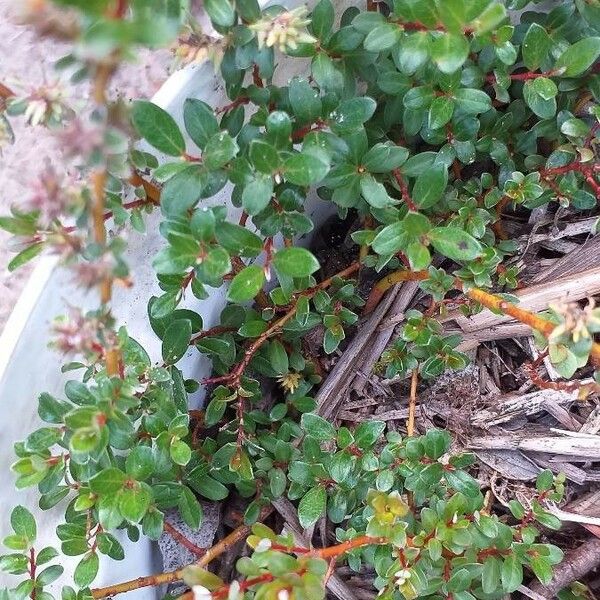
Plant Overview
The Finnmark Willow is a rugged arctic hybrid, born from a natural cross between the tiny Dwarf Willow (Salix herbacea) and the Swamp Willow (Salix myrtilloides). Found hugging the windswept ground of Northern Scandinavia and Russia, this miniature shrub is a master of survival in extreme conditions. It is a favorite among alpine gardening enthusiasts who want to bring a piece of the wild, sub-arctic tundra into their own landscape.
🔍 How to Identify
- 🍃 Leaf Shape: Look for small, nearly circular to oval leaves that have a distinctively leathery texture and finely toothed edges.
- 📏 Growth Habit: It maintains a "prostrate" or creeping form, rarely rising more than a few inches off the ground, often forming a dense, silver-green mat.
- 🧶 Catkins: In late spring, it produces upright, brush-like flower spikes (catkins) that stand tall against the low-growing foliage.
🏡 In Your Garden
- 🏔️ Alpine Specialist: This plant hates heat and humidity; it thrives best in rock gardens or containers where the roots can stay cool and the air stays moving.
- 💧 The Wet-Feet Rule: Unlike many garden plants that fear "wet feet," this willow loves moisture and can be used to stabilize damp edges near ponds or in boggy garden patches.
⚠️ Safety & Toxicity
- 🐾 Safe for Pets: The Finnmark Willow is generally considered non-toxic to dogs, cats, and horses, making it a safe addition to a pet-friendly yard.
- 💊 Aspirin Ancestry: Like all willows, the bark contains salicin. While not harmful to touch, people with severe aspirin allergies should be cautious if pruning the plant extensively.
✨ Fun Fact
Because it grows in some of the windiest places on Earth, the Finnmark Willow has evolved to stay low to the ground so that it can be completely covered by snow in the winter, using the snowpack as a warm "blanket" to protect itself from the killing frost of the arctic air.

Detailed Care Instructions
The plant should be watered thoroughly but evenly, taking care not to saturate the soil. It is important to allow the soil to dry slightly between waterings, as overwatering can cause root rot. The frequency of watering will depend on the climate and the moisture retention properties of the soil. In general, it is better to water deeply and less frequently rather than giving the plant shallow, frequent watering. It is also important to avoid getting water on the foliage, as this can lead to leaf damage or fungal diseases. During hot and dry weather, the plant may require more frequent watering.
Salix × Finnmarchica can thrive in a variety of soils, but it prefers a well-draining soil that is moist and rich in nutrients. A slightly acidic soil with a pH between 5.5 and 6.5 is ideal for this plant. The soil should be loose and crumbly, allowing roots to penetrate easily. It's recommended to mix in some organic matter, such as compost or aged manure, to improve soil structure and fertility. The plant can tolerate some drought, but it's essential to keep the soil consistently moist during the hot summer months. Overly wet soil can cause root rot, so ensure that the soil drains well. Avoid planting Salix × Finnmarchica in heavy clay soils or areas prone to flooding, as this can affect its growth and health.








