Plant Overview
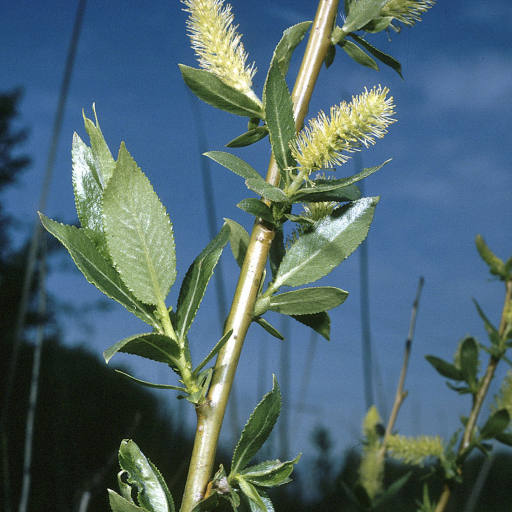
Often called the Shining Willow, this North American native is famous for its remarkably glossy, waxy leaves that catch the light like polished lacquer. It thrives where other trees might drown, acting as a natural anchor for riverbanks and soggy wetlands. If you are looking to add a touch of "wild brilliance" to a damp corner of your landscape, this shimmering beauty is a top contender.
🔍 How to Identify
- 🍂 Glossy Foliage: The leaves are long, lance-shaped, and famously shiny on both sides. They feature a long, tapering tip that looks like it was pulled like taffy.
- 🌿 Golden Twigs: Young stems have a smooth, yellowish-brown bark that glows warmly in the winter sun, providing visual interest even after the leaves have fallen.
- 🌼 Spring Catkins: In early spring, it produces fuzzy, yellowish-green upright catkins (flower clusters) that emerge just as the leaves begin to unfurl.
🏡 In Your Garden
- 💧 The Water Enthusiast: This willow is a "hydrophile," meaning it absolutely loves water. It is the perfect choice for stabilizing soil near ponds or in low-lying areas of the yard where water tends to pool.
- 🏗️ Root Awareness: Be careful where you dig! Like most willows, its root system is incredibly aggressive and will actively "seek out" moisture. Keep it far away from septic lines, swimming pools, and underground pipes to avoid expensive plumbing repairs.
⚠️ Safety & Toxicity
- 🟢 Safe for All: Salix lucida is generally considered non-toxic to humans, cats, and dogs. It is a safe choice for family-friendly landscapes.
- 💊 The Aspirin Connection: The bark contains salicin, the chemical precursor to modern aspirin. While not "poisonous," if a curious pet chews excessively on the branches, they may ingest enough to cause a minor stomach upset.
✨ Fun Fact
🐝 The Shining Willow is a critical "first responder" for the ecosystem; it is one of the earliest plants to bloom in the spring, providing a life-saving source of nectar and pollen for hungry bees emerging from winter hibernation.

Detailed Care Instructions
To grow Salix Lucida, also known as Pacific willow or shining willow, follow these steps:
- Obtain Salix Lucida cuttings or seeds from a reputable supplier or nursery.
- Cuttings: Take 6 to 8-inch cuttings from the tip of a healthy, mature stem in late winter or early spring. Make a slanted cut just below a leaf bud. Remove the lower leaves and place the cutting in moist soil or a rooting hormone. Keep the soil consistently moist and warm, around 70°F (21°C), until roots develop.
- Seeds: Sow fresh seeds in well-draining soil mix in late fall or early winter. Cover with a thin layer of soil, water gently, and keep the soil evenly moist. Place the container in a cold frame or unheated greenhouse to provide a cold stratification period. Seeds should germinate in spring.
- Cuttings: Take 6 to 8-inch cuttings from the tip of a healthy, mature stem in late winter or early spring. Make a slanted cut just below a leaf bud. Remove the lower leaves and place the cutting in moist soil or a rooting hormone. Keep the soil consistently moist and warm, around 70°F (21°C), until roots develop.
- Choose a suitable location:
- Salix Lucida thrives in full sun to part shade.
- It tolerates various soil types but prefers moist, well-draining soil. Ensure the soil doesn't become waterlogged.
- Consider planting near water bodies or in rain gardens as it appreciates access to water.
- Salix Lucida thrives in full sun to part shade.
- Dig a hole in the planting area that is twice as wide and deep as the roots when planting a cutting or seedling. Loosen the soil in the hole to encourage root growth.
- Place the cutting or seedling in the hole, positioning it straight vertically. For a cutting, bury it up to the first set of leaves. For a seedling, ensure the root collar is level with the soil surface.
- Backfill the hole with soil, firming it gently around the roots to remove air pockets.
- Water thoroughly after planting to settle the soil and ensure good root-to-soil contact. Provide regular watering, especially during dry spells, until the plant is established.
- Apply a layer of mulch around the base of the plant to retain moisture, control weeds, and protect the roots.
- Prune the Salix Lucida annually during late winter or early spring to remove dead or damaged branches, promote a more compact shape, or thin out dense growth.
- Monitor for pests and diseases, such as aphids or leaf spot, and treat accordingly using organic methods.
By following these steps, you can successfully grow Salix Lucida and enjoy its beautiful foliage and natural habitat benefits.

Place in a bright room that is sun drenched almost all day. Or directly in a south-facing window.

To properly water this plant, it is important to take into consideration its natural habitat. This plant grows in wetlands and along streambeds, so it requires consistent moisture to thrive. It is recommended to water deeply and consistently, ensuring that the soil remains moist but not waterlogged. This can be achieved by using a soaker hose or watering can to gently water the soil around the base of the plant. It is important to avoid getting the leaves wet, as this can lead to fungal diseases. Additionally, it is important to monitor rainfall and adjust watering accordingly, as overwatering can be harmful to the plant.
To fertilize this plant, apply a balanced fertilizer, such as a 10-10-10 formula, at a rate of 1 tablespoon per square foot of soil in early spring before the plant begins to actively grow. Spread the fertilizer evenly around the base of the plant, being careful not to get any on the leaves or stems. Water the plant thoroughly after fertilizing to help the nutrients soak into the soil. Repeat this process once every six to eight weeks throughout the growing season to promote healthy growth and blooming.
Salix lucida should be planted in soil that is well-draining and loamy. The soil should be slightly acidic with a pH range of around 5.5 to 6.5. It is important to ensure that the soil is moist but not waterlogged as Salix lucida does not tolerate waterlogged soil. The soil should be enriched with organic matter such as compost or well-rotted manure to provide the necessary nutrients for the plant's growth. It is also recommended to fertilize the soil with a slow-release fertilizer during the growing season. The plant can be grown in full sun or partial shade.
Salix Lucida plant can be propagated through the process of stem cuttings. First, choose a healthy stem from the plant that is at least 6 inches long and contains several leaves. Then, remove all of the leaves except for the top two or three. Next, dip the cut end of the stem into rooting hormone powder to encourage root growth. Plant the stem into a small container filled with well-draining soil and keep it in a warm and humid environment. Mist the stem with water regularly to keep it moist. After several weeks, roots should begin to develop. Once the roots have established themselves, the stem can be transplanted into a larger pot or into the ground.








