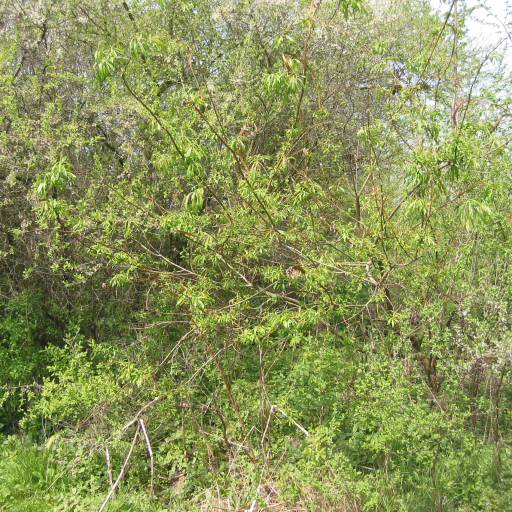
Plant Overview
Often called the Japanese Pink Pussy Willow or Fantail Willow, Salix udensis is a breath of fresh air after a long winter. Native to the riverbanks of East Asia, it has long been prized by floral artists for its sculptural branches and soft, "pet-able" blooms. It is the perfect choice for a gardener who wants a touch of whimsy and elegance in the dampest spots of their yard.
🔍 How to Identify
- 🌸 The Catkins: Unlike traditional grey willows, many varieties of this species start with a distinct pink or rosy blush before fading to a shimmering silvery-gold as they produce pollen.
- 🍃 The Foliage: The leaves are long, slender, and lance-shaped. They flutter gracefully in the breeze and turn a soft, understated yellow in the autumn.
- 🎋 Stem Structure: Young branches often have a polished reddish-purple hue. In the popular 'Sekka' cultivar, stems are "fasciated," meaning they grow flat and wide rather than round, resembling a dragon's tail.
🏡 In Your Garden
- 💧 Thirsty Nature: This plant is a true "water-lover." It thrives in soggy soil where other plants might suffer from root rot, making it an ideal candidate for rain gardens or the muddy edges of a pond.
- ✂️ Pruning for Performance: Because it grows so vigorously, it is best to practice "coppicing"—cutting the stems back close to the ground every few years. This keeps the plant at a manageable size and ensures the most colorful stems and largest catkins.
- 🏗️ Root Awareness: Like most willows, its roots are incredibly thirsty and adventurous. Avoid planting it near underground pipes or septic lines, as the roots will actively seek out any source of moisture.
⚠️ Safety & Toxicity
- 🐾 Status: Generally considered non-toxic to humans and pets, but with a slight caveat.
- 🧪 Details: All willows contain salicin, the natural compound used to create aspirin. If a curious dog or cat chews excessively on the bark or branches, it could lead to a mild upset stomach or lethargy. It is best to supervise pets around young, tender saplings.
✨ Fun Fact
The "fasciated" stems of the 'Sekka' variety are a botanical anomaly where the growing tip expands sideways. These flattened, fan-like branches are a staple in Ikebana (Japanese floral art), where they are used to symbolize strength and the unconventional beauty of nature.

Detailed Care Instructions








