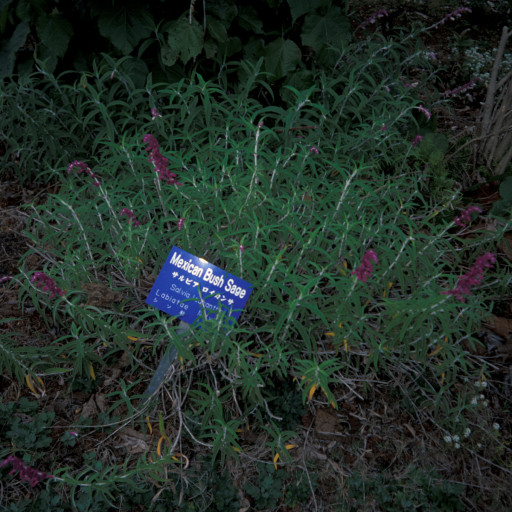
Plant Overview
Often called the "Mexican Bush Sage," Salvia leucantha is a show-stopping perennial that brings a touch of velvet to the landscape. Native to the subtropical and tropical conifer forests of Mexico, it is celebrated for its ethereal, bicolor flower spikes and its ability to thrive when the summer heat is at its peak. It is a favorite for those looking to add soft textures and dramatic late-season color to their garden.
🔍 How to Identify
- 🌿 Velvety Foliage: The leaves are narrow, lance-shaped, and a soft grayish-green. If you flip them over, you’ll find a white, woolly underside that feels like felt.
- 💜 Fuzzy Bracts: The most striking feature is the long, arching flower spikes covered in tiny, purple hairs that look like miniature velvet tubes.
- 🤍 Hidden Blooms: Depending on the variety, tiny white or solid purple flowers emerge from the fuzzy calyxes, creating a beautiful contrast against the silvery stems.
🏡 In Your Garden
- ✂️ Pruning Nuance: This sage can become quite "leggy" or floppy if left to its own devices. To keep it as a tight, attractive mound, it’s best to cut it back almost to the ground once the flowers fade in late winter or early spring.
- 🦋 The Pollinator Party: Because of the tubular shape of its flowers, this plant is a high-priority destination for hummingbirds and butterflies. It acts as a vital nectar source during the autumn months when other flowers begin to dormant.
- ☀️ Drought Resilience: Once its root system is established, it is incredibly tough. It prefers "lean" soil and very little water; over-fertilizing or over-watering will actually result in more leaves and fewer of those iconic purple spikes.
⚠️ Safety & Toxicity
- ✅ Safe Status: Salvia leucantha is generally considered non-toxic to humans and common household pets.
- 🐾 Pet Friendly: Unlike some other garden ornamentals, it doesn't pose a significant threat to curious cats or dogs. However, as with any plant, ingestion of large amounts may cause mild stomach upset simply due to the fiber and texture.
✨ Fun Fact
The species name leucantha is derived from the Greek words for "white" (leucos) and "flower" (anthos). This refers to the original wild form of the plant, which featured stark white flowers popping out of deep purple, velvet-like calyxes!

Detailed Care Instructions
| Color | Purple, White, Blue |
| Soil Ph | 4.5-8 |
| Humidity | Normal |
| Lighting | Full Sun |
| Soil Type | Fertile, Well-Drained |
| Bloom Time | Late Summer |
| Difficulty | Medium |
| Plant Type | Perennial |
| Hibernation | Cold Period |
| Mature Size | 4 Feet Tall, 3 Feet Wide |
| Native Area | Mexico, Central America |
| Sun Exposure | Full Sun |
| Hardiness Zones | 8-11 |
To successfully grow Salvia leucantha, also known as Mexican bush sage or velvet sage, follow these steps:
- Choose the right location: Salvia leucantha prefers full sun to partial shade. Select a spot in your garden that receives at least six hours of direct sunlight each day.
- Prepare the soil: This plant thrives in well-draining soil. Improve the soil quality by adding compost or organic matter to enhance its drainage capabilities. Avoid heavy clay or waterlogged soil, as this can lead to root rot.
- Planting: Plant Salvia leucantha either from seeds or young transplants. If starting from seeds, sow them about 1/8 inch deep in seed trays or pots filled with seed-starting mix. Keep the soil consistently moist until the seeds germinate. You can begin sowing seeds indoors six to eight weeks before the last frost date in your area. Transplants can be placed in holes that are twice the size of the root ball. Space them around 18-24 inches apart.
- Watering: Salvia leucantha prefers regular watering, especially during dry periods. The soil should be kept moist, but not waterlogged. Generally, watering once or twice a week should be sufficient, but adjust the frequency based on weather conditions and soil moisture levels.
- Mulching: Apply a layer of organic mulch around the base of the plant to help retain moisture, reduce weed growth, and insulate the soil. Keep the mulch a few inches away from the base of the plant to prevent stem rot.
- Fertilization: Salvia leucantha doesn't require much fertilization. However, applying a balanced slow-release fertilizer in spring can provide nutrients for healthy growth. Follow the manufacturer's instructions for the recommended dosage and application method.
- Pruning: Prune Salvia leucantha in early spring before new growth emerges. Cut back the previous year's stems to around 6 inches above the ground to encourage new growth and maintain a bushier shape. Additionally, deadhead spent flowers regularly to promote continuous blooming.
- Pests and diseases: Salvia leucantha is generally resistant to most pests and diseases. However, keep an eye out for common garden pests like aphids or spider mites. If detected, treat the infestation promptly using organic pest control methods.
By following these steps, you can cultivate and enjoy the beautiful blooms of Salvia leucantha in your garden.

Place in a bright room that is sun drenched almost all day. Or directly in a south-facing window.

Salvia Leucantha is a plant that requires regular watering to thrive. To water this plant, you should start by choosing a watering can or hose with a gentle spray. Place the spout of the watering tool close to the base of the plant and slowly pour water onto the soil until it is evenly moist. You should avoid overwatering, as this can lead to root rot and other plant diseases. Additionally, it is best to water Salvia Leucantha in the morning or early afternoon, as this allows the plants to absorb moisture throughout the day without getting soggy overnight. Finally, be sure to monitor the plant regularly to ensure that it stays healthy and hydrated.
To properly fertilize this plant, it's important to first ensure that it is grown in well-draining soil. Once established, fertilize with a balanced, slow-release fertilizer in the early spring. Apply the fertilizer evenly around the base of the plant and water thoroughly. Throughout the growing season, supplement with occasional applications of a liquid fertilizer to encourage healthy growth and flowering. Take care not to over-fertilize, as this can lead to excessive growth and reduced blooming.
For the Salvia Leucantha plant, it is best to use a well-draining soil that is rich in organic matter. The pH of the soil should ideally be between 6.5 and 7.5. This plant prefers a soil that is slightly acidic to neutral. It is important to make sure that the soil is loose and light, with good aeration. The plant also requires soil that is moist, but not waterlogged. It is recommended to add compost or aged manure to the soil for added nutrition. Additionally, adding perlite or sand to the soil can help improve drainage.
To propagate this plant, you will need to take softwood cuttings in the early summer. Select a healthy stem that is approximately 10-15cm in length and remove any leaves from the bottom 2/3 of the stem. Dip the end of the stem in rooting hormone and plant it in a pot filled with a well-draining soil mixture. Water the cutting thoroughly and cover the pot with a plastic bag to create a mini greenhouse. Place the pot in a warm, bright location, but out of direct sunlight. After a few weeks, check for roots by gently tugging on the stem. If there is resistance, roots have formed, and you can remove the plastic bag. Once the cutting has rooted, you can transplant it to a larger pot or out into the garden.
Common pests of the mexican bush sage include Spider mites, aphids, whiteflies. Make a habit of checking your mexican bush sage frequently for pests so that any infestations can be caught and managed early.








