Plant Overview
Known as the Nodding Sage, this perennial beauty is famous for its elegant, drooping flower spikes that look as if they are politely bowing to garden visitors. Native to the windswept steppes of Eastern Europe and Western Asia, it brings a unique sense of movement and "relaxed" structure to a landscape, swaying gently with every breeze. Unlike its stiff, upright cousins, this Salvia adds a touch of whimsical drama to any meadow-style garden.
🔍 How to Identify
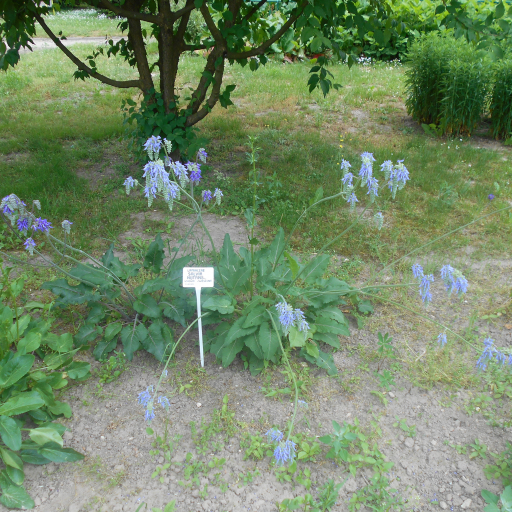
- 📐 The "Nod": The most striking feature is the flower stem, which curves sharply downward at the tip, making the flower clusters hang like heavy pendulums.
- 💜 Violet Clusters: It produces dense, whorled spikes of deep violet-blue flowers that bloom from late spring into summer.
- 🌿 Textured Foliage: Most of the leaves stay close to the ground in a "basal rosette." They are large, grayish-green, and have a distinctive wrinkled or "rugose" texture.
🏡 In Your Garden
- 🏗️ Structural Support: While it loves a sunny spot, its tall flowering stems (reaching up to 3 feet) are surprisingly sturdy. However, because it naturally "nods," don't mistake its drooping habit for wilting—it’s just its natural posture!
- 🦋 Pollinator Magnet: It is a high-value plant for bees and butterflies. The downward-facing flowers provide a perfect landing platform for heavy bumblebees, who are the primary pollinators of this species.
- 🏜️ Steppe Roots: Because it originated in limestone-heavy steppes, it thrives in well-drained, slightly alkaline soil. It is incredibly drought-tolerant once established but dislikes "wet feet" during the winter.
⚠️ Safety & Toxicity
- 🛡️ Safe Status: Salvia nutans is generally considered non-toxic to humans, cats, and dogs.
- 🐾 Pet Friendly: Unlike some ornamental plants, it doesn't contain the volatile oils in high enough concentrations to be a major concern, though it is always best to discourage pets from grazing on garden ornamentals to avoid minor stomach upset.
✨ Fun Fact
🧪 Strategic Sleep: Botanists believe the "nodding" habit of this sage is an evolutionary trick. By hanging its head, the plant protects its precious nectar and pollen from being washed away by rain, ensuring a feast is always ready for pollinators when the sun comes out.

Detailed Care Instructions
To grow Salvia nutans, also known as Blue Sage or Azure Sage, follow these steps:
- Choose a suitable location: Blue Sage prefers full sun to partial shade. Ensure the soil is well-draining and fertile.
- Start seeds indoors: Blue Sage can be grown from seeds. Start the seeds indoors about 6-8 weeks before the last frost date in your area. Use seed trays or pots filled with a seed-starting mix.
- Sow the seeds: Spread the seeds evenly over the soil surface and lightly press them into the soil. Cover the seeds with a thin layer of seed-starting mix or vermiculite.
- Provide the right conditions: Place the seed tray/pot in a warm location, around 70-75°F (21-24°C). Keep the soil consistently moist but not waterlogged. Consider covering the tray with a plastic dome or use a plastic wrap to maintain humidity.
- Transplant the seedlings: When the seedlings have developed a couple of sets of true leaves and the danger of frost has passed, transplant them into larger pots or directly into the garden. Space the plants about 12-18 inches (30-45 cm) apart.
- Prepare the soil: Before transplanting, prepare the soil in the garden by removing any weeds or rocks and loosening it with a garden fork or tiller. Add compost or organic matter to improve fertility and drainage.
- Planting in the garden: Dig a hole slightly larger than the root ball of the seedling. Place the seedling in the hole at the same depth it was previously growing. Backfill the hole with soil, gently firming it around the plant.
- Water and mulch: Water the newly transplanted Blue Sage thoroughly and apply a layer of organic mulch around the base of the plant. Mulch helps conserve moisture and suppresses weed growth.
- Watering and maintenance: Water the plant regularly, especially during dry periods. Blue Sage does not tolerate excessive moisture, so ensure the soil is well-draining. Deadhead spent flowers to encourage continuous blooming.
- Pruning: In late winter or early spring, you can lightly prune the plant to remove any dead or damaged growth. This will promote bushier growth and better flower production.
With proper care, Salvia nutans should grow well and provide beautiful blue flowers throughout the growing season.

Place in a bright room that is sun drenched almost all day. Or directly in a south-facing window.
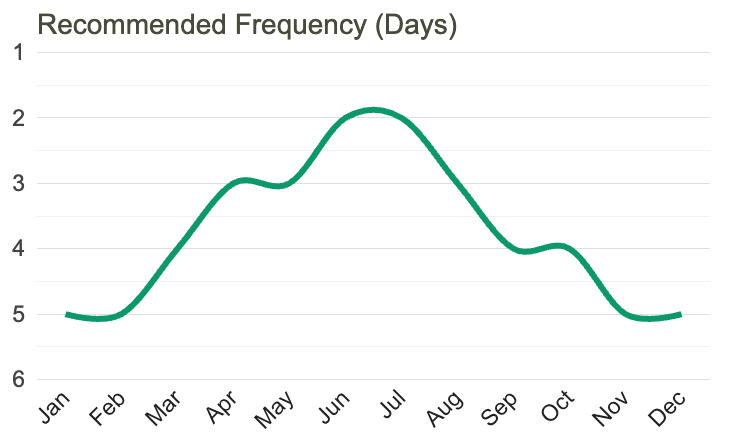
To water this plant, you should first ensure that the soil is moist before watering. To do this, stick your finger into the soil up to the first knuckle – if it feels dry, it's time to water.
When watering the plant, make sure you do it slowly and evenly to give the soil enough time to absorb the moisture. Water until you see a small amount of water start to drain out of the bottom of the pot.
It's important not to overwater this plant, as too much water can lead to root rot and other issues. Depending on your climate and how your plant is doing, you may need to adjust your watering schedule.
You also want to make sure the plant has proper drainage, as this will help prevent water from sitting in the bottom of the pot and causing problems.
Finally, it's a good idea to water early in the day, as this will give the plant plenty of time to dry off before the cooler temperatures of the evening set in.
- Use a balanced, slow-release fertilizer with an N-P-K ratio of 10-10-10 or 12-12-12.
- Apply the fertilizer in the spring when new growth appears and again in midsummer.
- Sprinkle the fertilizer on the soil around the plant, but avoid getting it on the leaves.
- Water the plant thoroughly after fertilizing to help the nutrients reach the roots.
- Avoid over-fertilizing, as this can lead to leggy growth and reduced flowering.
- Monitor the plant for signs of nutrient deficiencies, such as yellowing leaves or stunted growth, and adjust your fertilizing routine accordingly.
The ideal soil for Salvia Nutans plant is well-draining and fertile, with a pH range of 6.5 to 7.5. It should be rich in organic matter, such as compost or well-rotted manure, to provide the plant with necessary nutrients. The texture of the soil should be loose and friable, which allows air and water to penetrate easily. Avoid using heavy clay soils, as they tend to retain too much water, which may cause root rot. Additionally, make sure the soil is free from any stones or debris that can impede root growth. A good quality potting mix or a soil mix that has been specifically formulated for herbaceous perennials will work well for planting Salvia Nutans.
To propagate this particular plant, begin by selecting a healthy specimen and taking a cutting of a stem tip that is approximately three inches long. Remove the lower leaves from the cutting and dip the cut end into rooting hormone powder. Plant the cutting into a pot filled with well-draining soil and water thoroughly. Cover the pot with a plastic bag to create a greenhouse effect and keep the cutting in a warm, bright spot out of direct sunlight. After a few weeks, check for signs of new growth and root development. Once the cutting has established roots, it can be transplanted into a larger pot or directly into the ground.