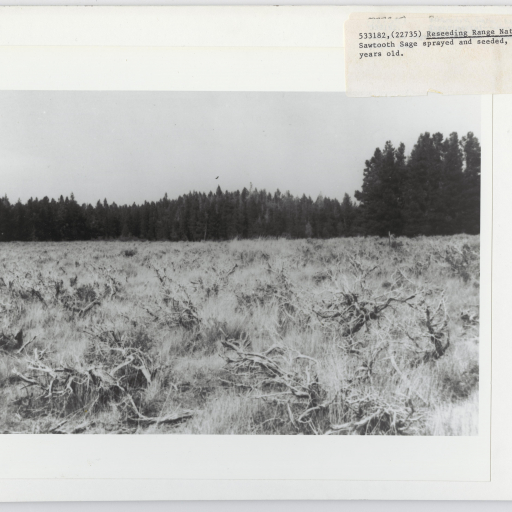
Plant Overview
Often called the Sawtooth Sage, Salvia subincisa is a delicate, high-altitude beauty native to the rugged landscapes of the American Southwest and Northern Mexico. Unlike its more robust cousins, this sage is prized for its "dainty" appearance and striking, deep-blue flowers that look like tiny jewels scattered across rocky slopes. It is a favorite among wildflower enthusiasts who appreciate plants that thrive in the thin air of mountain meadows.
🔍 How to Identify
- 🪚 Sawtooth Foliage: The most distinctive feature is its leaves—narrow, bright green, and sharply "incised" or serrated along the edges, giving it its common name.
- 💎 Electric Blooms: It produces small, two-lipped flowers in a vivid shade of violet-blue, often featuring white "nectar guide" markings on the lower lip to attract tiny visitors.
- 🟦 Square Stems: True to the Mint family (Lamiaceae), the stems are noticeably square to the touch and usually grow in a tidy, upright branching habit.
🏡 In Your Garden
- ⛰️ Highland Heritage: Because it originates from rocky, well-draining soils, it hates "wet feet." In a garden setting, it performs best in gritty soil or raised beds where water can move away from the roots quickly.
- 🐝 Pollinator Magnet: This sage is a local favorite for hummingbirds and long-tongued bees. Its nectar guides act like a landing strip, directing pollinators exactly where they need to go to help the plant reproduce.
⚠️ Safety & Toxicity
- ✅ Generally Safe: Salvia subincisa is not known to be toxic to humans, cats, or dogs. It is considered a safe addition to a wildlife-friendly garden.
- 🌿 Ornamental Only: While related to culinary Sage (Salvia officinalis), the Sawtooth Sage is grown for its beauty and ecological value. It lacks the flavor profile of cooking herbs, so it’s best kept in the flower bed rather than the kitchen.
✨ Fun Fact
The white markings on the blue petals aren't just for show; they are evolutionarily designed to be "invisible" to certain animals while glowing like neon signs for bees, who see in the ultraviolet spectrum!

Detailed Care Instructions
Growing Salvia subincisa, also known as Saw-Leaved Sage, requires some specific steps to ensure its healthy development. Here's a guide to help you:
1. Climate and Location
- Climate: Salvia subincisa prefers warm climates. It is a perennial plant that can thrive in USDA hardiness zones 7-10.
- Sunlight: This plant grows well in full sun to partial shade. Aim for at least 6 hours of direct sunlight each day.
2. Soil Preparation
- Soil Type: Well-draining soil is crucial. Salvia subincisa is not particularly picky about soil pH but generally prefers slightly acidic to slightly alkaline soils (pH 6.0-7.5).
- Amendments: If your soil is heavy or clay-like, amend it with organic matter like compost to improve drainage.
3. Planting
- Seeds or Cuttings: You can grow Salvia subincisa from seeds or cuttings. Seeds may take longer to germinate and grow.
- Spacing: Space plants about 18-24 inches apart to ensure adequate airflow and room for growth.
- Planting Depth: Plant seeds just below the soil surface, or transplant cuttings at the same depth they were growing in their nursery pots.
4. Watering
- Initial Watering: Water the plant thoroughly after planting.
- Consistency: Keep the soil moderately moist but not waterlogged. Once established, Salvia subincisa is quite drought-tolerant and can survive on less frequent watering. However, during dry spells, a deep watering once a week can be beneficial.
5. Fertilization
- Balanced Fertilizer: Use a balanced, all-purpose fertilizer in early spring. Follow the manufacturer’s instructions for application rates.
- Organic Options: Alternatively, compost or well-rotted manure can provide necessary nutrients.
6. Mulching
- Moisture Retention: Apply a layer of mulch around the base of the plant to help retain moisture and regulate soil temperature.
- Weed Control: Mulch also helps to suppress weed growth.
7. Pruning and Maintenance
- Pruning: Regularly deadhead spent flowers to encourage more blooms and prevent self-seeding. Prune the plant lightly in early spring to maintain shape and remove any dead or damaged stems.
- Pest Control: Salvia subincisa is relatively pest-resistant, but keep an eye out for common garden pests like aphids and spider mites. Use organic insecticides if needed.
8. Winter Care
- Mulching: In colder regions (lower end of its hardiness range), apply a thicker layer of mulch in late fall to protect the roots from freezing temperatures.
- Indoor Growing: If you live in an area with harsh winters outside its hardiness zone, consider growing Salvia subincisa in a container that can be moved indoors during cold weather.
9. Propagation
- Cuttings: Take softwood cuttings in late spring or early summer. Root them in a moist, well-draining potting mix under indirect light.
- Division: Divide clumps in early spring to propagate new plants and rejuvenate older ones.
By following these steps, you can successfully grow and enjoy Salvia subincisa in your garden. Happy gardening!

Place in a bright room that is sun drenched almost all day. Or directly in a south-facing window.

Watering Salvia subincisa, like many salvia species, requires attention to soil moisture and environmental conditions. Here are detailed guidelines:
1. Soil Moisture:
- Ensure the soil is well-drained. Amend heavy clay or compacted soil with compost or sand to improve drainage.
- Salvia subincisa prefers a slightly dry to moderately moist soil habitat, so overwatering can be detrimental.
2. Watering Frequency:
- Water deeply but infrequently to encourage deep root growth.
- During the growing season (spring through early fall), water the plant when the top inch of soil feels dry to the touch.
- In hotter climates or during particularly dry periods, more frequent watering may be necessary to keep the soil from completely drying out.
3. Time of Day:
- Water early in the morning or late in the afternoon to minimize evaporation and allow the plant to absorb water more effectively.
- Avoid watering in the evening if possible, as prolonged wet conditions can encourage fungal growth.
4. Method of Watering:
- Use a soaker hose or drip irrigation to deliver water directly to the base of the plant, which minimizes water loss and keeps foliage dry, reducing the risk of disease.
- If manually watering, aim the stream of water at the soil around the base of the plant rather than the leaves.
5. Seasonal Adjustments:
- Reduce watering frequency in late fall and winter, as growth typically slows down and the plant requires less water.
- During periods of heavy rainfall, supplemental watering may be unnecessary. Check soil moisture levels before deciding to water.
By following these detailed watering guidelines, you can help ensure that Salvia subincisa remains healthy and thrives in its planting environment.
Sure, here are the fertilizing instructions for Salvia subincisa:
- Soil Preparation: Before planting, enrich the soil with organic matter such as compost or well-rotted manure. This helps to improve soil structure, drainage, and nutrient content.
- Initial Fertilizing: When planting Salvia subincisa, you can mix a balanced, slow-release granular fertilizer into the soil. A good ratio to use is 10-10-10 (Nitrogen-Phosphorus-Potassium).
- Growing Season:
- Spring: Apply a balanced fertilizer once growth resumes in the spring. You can use a 10-10-10 or a 5-10-5 ratio, following the manufacturer's recommended dosage.
- Mid-Summer: If the plant's growth appears to be slowing or if the foliage looks less vibrant, you can apply a second round of balanced fertilizer in mid-summer.
- Spring: Apply a balanced fertilizer once growth resumes in the spring. You can use a 10-10-10 or a 5-10-5 ratio, following the manufacturer's recommended dosage.
- Frequency: During the growing season, using a balanced, water-soluble fertilizer every 4-6 weeks can boost growth. Alternatively, a slow-release fertilizer applied in spring can minimize the need for frequent fertilization.
- Watering with Fertilizer: When using liquid fertilizers, make sure to water the plant thoroughly after application. This helps to distribute the nutrients evenly and prevent root burn.
- Organic Alternatives: Organic options such as compost tea, fish emulsion, or seaweed extract can also be used to provide nutrients periodically during the growing season.
- Avoid Over-Fertilizing: Too much fertilizer can lead to excessive leafy growth at the expense of flower production, and it can also cause root burn. Always follow the recommended amounts and frequencies on the fertilizer package.
- Signs of Nutrient Deficiencies: Yellowing leaves, stunted growth, or poor flowering can indicate nutrient deficiencies. If these symptoms appear, an additional application of a balanced fertilizer or an organic amendment may be necessary.
By following these guidelines, you ensure that your Salvia subincisa receives the nutrients it needs to thrive without the risk of over-fertilization.
To successfully grow Salvia subincisa, it's important to pay attention to the type of soil it requires. Here are the specific soil conditions that are ideal for this plant:
- Well-Draining Soil: The most critical requirement is excellent drainage. Salvia subincisa does not tolerate waterlogged conditions, which can lead to root rot. A sandy or loamy soil mix that allows excess water to escape is ideal.
- Soil Composition: A mix containing a significant amount of sand or small gravel can help improve drainage. You can also mix in some organic matter like compost to ensure the soil retains some moisture and nutrients.
- pH Level: This plant prefers a soil that is slightly acidic to neutral, typically with a pH range of 6.0 to 7.0. It's a good idea to test your soil's pH and amend it if necessary to fall within this range.
- Nutrient Content: While Salvia subincisa is not particularly demanding in terms of nutrients, providing a balanced, all-purpose fertilizer can support healthy growth. Avoid heavy, rich soils that retain too much moisture.
- Soil Depth: Ensure the planting area has sufficient soil depth to accommodate the root system. This will help the plant establish itself and access nutrients and moisture as needed.
- Mulching: Applying a layer of mulch can help maintain soil moisture levels and regulate temperature. However, ensure the mulch does not sit directly against the plant’s stem to prevent rot.
By meeting these soil conditions, you can create an optimal growing environment for Salvia subincisa, ensuring healthy growth and vibrant blooms.
Sure, propagating Salvia subincisa can be done through either seeds or cuttings. Here's a detailed guide for both methods:
Propagation via Seeds
- Seed Collection and Preparation:
- Collect mature seeds from existing plants. The seeds should be fully developed and dried.
- Store seeds in a cool, dry place until ready to plant.
- Collect mature seeds from existing plants. The seeds should be fully developed and dried.
- Sowing Seeds:
- The best time to sow is in the early spring.
- Fill a seed tray or small pots with a well-draining seed-starting mix.
- Sprinkle the seeds lightly on the surface of the soil and cover them with a thin layer of the mix, as seeds need light to germinate.
- Mist the soil lightly with water to moisten it.
- The best time to sow is in the early spring.
- Germination Conditions:
- Place the seed tray or pots in a warm, sunny location. A temperature range of 70°F to 75°F (21°C to 24°C) is ideal.
- Keep the soil consistently moist but not waterlogged.
- Germination usually takes about 2 to 4 weeks.
- Place the seed tray or pots in a warm, sunny location. A temperature range of 70°F to 75°F (21°C to 24°C) is ideal.
- Transplanting Seedlings:
- Once seedlings have developed a few true leaves and are strong enough, they can be transplanted to individual pots or directly into the garden.
- Choose a well-draining soil mix for pots or a location with well-draining soil in the garden.
- Plant the seedlings at the same depth they were growing in the seed tray.
Propagation via Cuttings
- Once seedlings have developed a few true leaves and are strong enough, they can be transplanted to individual pots or directly into the garden.
- Selecting and Preparing Cuttings:
- Take cuttings from a healthy, non-flowering stem in late spring or early summer.
- Cut a 4 to 6-inch (10 to 15 cm) section just below a node (the point where a leaf attaches to the stem).
- Remove the lower leaves, leaving only a few at the top.
- Take cuttings from a healthy, non-flowering stem in late spring or early summer.
- Rooting Cuttings:
- Dip the cut end into rooting hormone to encourage root development (optional but beneficial).
- Plant the cuttings in a pot filled with a well-draining medium, such as a mix of sand and perlite or a commercial potting mix designed for cuttings.
- Insert the cutting about 1 to 2 inches (2.5 to 5 cm) deep into the soil.
- Dip the cut end into rooting hormone to encourage root development (optional but beneficial).
- Caring for Cuttings:
- Place the pot in a location that receives indirect light.
- Maintain high humidity around the cuttings by covering them with a plastic bag or placing them in a propagation chamber.
- Keep the soil moist but not soggy to prevent rotting.
- Place the pot in a location that receives indirect light.
- Transplanting Rooted Cuttings:
- After a few weeks, check for root development by gently tugging on the cutting. Resistance indicates root growth.
- Once roots are well established, transplant the cuttings into individual pots or the garden.
- Use a well-draining soil mix, and place the pots in a sunny location.
General Care Tips During Propagation
- After a few weeks, check for root development by gently tugging on the cutting. Resistance indicates root growth.
- Watering: Keep the growing medium consistently moist but not waterlogged to prevent rot and encourage healthy growth.
- Lighting: Provide bright, indirect light for both seeds and cuttings. Avoid direct, harsh sunlight which may damage tender new growth.
- Temperature: Maintain a warm environment to promote germination and root development.
By following these steps, you can successfully propagate Salvia subincisa either through seeds or cuttings. Proper care during the initial stages will ensure healthy, vigorous plants.








