Plant Overview
Often referred to as African Lavender Cotton, Santolina africana is a resilient, silver-cloaked shrub that brings the sun-drenched spirit of the North African coast to your landscape. This aromatic beauty is prized for its "moonlight garden" effect, where its pale, feathery foliage seems to glow during twilight hours. Historically used in traditional medicine and as a natural moth repellent, it is as functional as it is ornamental.
🔍 How to Identify
- 🌿 Silvery Foliage: The leaves are finely divided, almost coral-like in texture, and covered in a dense layer of silver-grey hairs that protect the plant from the scorching sun.
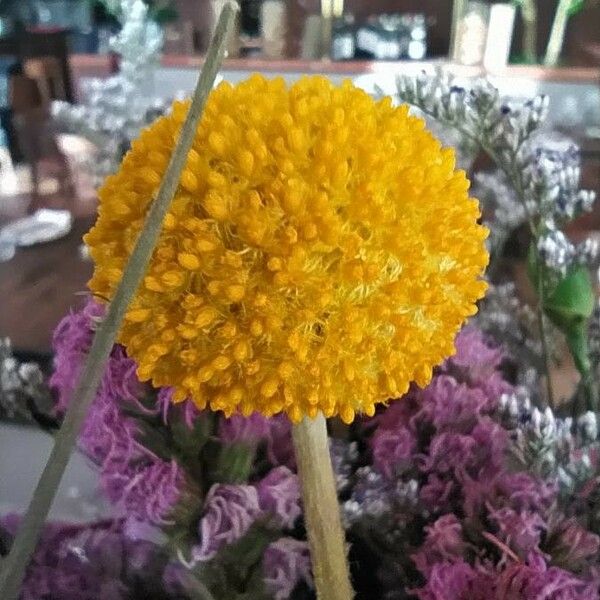
- 🟡 Button Blooms: In late spring and summer, the plant produces bright yellow, globe-shaped flower heads that sit atop slender stems. These flowers lack traditional petals, giving them a distinct "button" appearance.
- 👃 Aromatic Scent: When the leaves are brushed or crushed, they release a pungent, herbal fragrance that is a mix of lavender, camphor, and chamomile.
- Compact Shape:** It naturally grows into a dense, rounded mound, usually staying under 2 feet (60 cm) in height and width.
🏡 In Your Garden
- 🏜️ The Drainage Dilemma: This plant is a true "xeriscape" champion. The fastest way to kill it is by overwatering or planting it in heavy clay; it requires gritty, fast-draining soil to mimic its rocky native habitat.
- ✂️ Post-Bloom Haircut: To prevent the plant from becoming "leggy" or splitting open in the middle (which exposes a woody, unattractive center), give it a firm pruning right after the yellow buttons fade.
- 🐝 Pollinator Buffet: While the scent deters many pests, the bright yellow flowers are a magnet for hoverflies and small native bees, making it a great choice for biodiversity.
⚠️ Safety & Toxicity
- ✅ Status: Generally considered non-toxic to humans and pets.
- 🧴 Skin Sensitivity: Because of its high concentration of essential oils, some gardeners may experience mild skin irritation (contact dermatitis) when pruning. It is best to wear gloves if you have sensitive skin.
- 🐾 Pet Note: While not poisonous, the bitter taste and strong oils usually discourage cats and dogs from chewing on it. If ingested in large quantities, it might cause mild stomach upset.
✨ Fun Fact
In its native North Africa, dried sprigs of Santolina africana have been tucked into linen closets for centuries. Its powerful herbal scent acts as a natural insecticide, keeping moths away from wool and silk fabrics much like cedar or lavender!

Detailed Care Instructions
To grow Santolina Africana, also known as African Santolina or Cape Santolina, you can follow these steps:
- Select a suitable location: Santolina Africana prefers full sunlight, so choose a spot in your garden that receives at least 6-8 hours of direct sunlight each day. The plant also requires well-draining soil, so make sure the soil in the chosen area is well drained.
- Prepare the planting area: Clear the soil of any weeds, rocks, or debris. If the soil is heavy or clayey, enhance its drainage by adding organic matter such as compost or well-rotted manure.
- Planting: Dig a hole slightly larger than the plant's root ball and place the plant into the hole. Gently fill in the hole with soil, ensuring that the top of the root ball is level with the surrounding soil surface. Space the plants about 12-18 inches apart if you are planting multiple Santolina Africana plants.
- Watering: After planting, water the plant thoroughly to settle the soil and eliminate any air pockets. Water regularly, especially during the plant's establishment period. However, be careful not to overwater, as Santolina Africana is drought-tolerant and can rot if kept excessively wet.
- Mulching: Apply a layer of mulch around the base of the plant to help retain moisture and suppress weed growth. Avoid placing the mulch directly against the stem to prevent rotting.
- Pruning: Regularly trim the plant to maintain its shape and size. Pruning will also help to encourage bushier growth and prevent legginess. Prune Santolina Africana in late winter or early spring before new growth appears.
- Fertilizing: Santolina Africana is a low-maintenance plant and generally does not require regular fertilization. However, you can apply a slow-release, balanced fertilizer in the spring if growth seems weak or foliage appears yellow.
- Pests and Diseases: Santolina Africana is generally pest and disease resistant. However, keep an eye out for common garden pests such as aphids, spider mites, or mealybugs. If necessary, treat pest infestations with appropriate insecticides or organic solutions.
- Winter Care: Santolina Africana is frost-tolerant and generally requires minimal winter care. However, if you live in an area with severe winters, you can provide some protection by covering the plant with a frost cloth or moving potted plants to a more sheltered location.
Following these steps should help you successfully grow Santolina Africana and enjoy its beautiful silver-gray foliage and yellow flowers.
To properly water this species of plant, it is important to first assess the soil moisture level. One way to do this is to stick your finger into the soil up to your second knuckle. If the soil feels dry at that depth, it is time to water. When watering, it is important to apply water directly to the soil rather than the foliage. This can be done either by hand or with a drip irrigation system. The amount of water needed will vary depending on factors such as weather conditions and plant size, but generally, the soil should be moist but not waterlogged. It is also important to avoid overwatering, as this can lead to root rot and other issues.
To fertilize a certain herbaceous plant native to the Mediterranean and Africa, apply a slow-release, balanced fertilizer in the early spring. Ensure that the fertilizer is well-mixed with the soil and gently water the plant afterward. Avoid over-fertilization as excessive nutrients can harm the plant. Additionally, refrain from fertilizing during periods of drought or extreme heat.
Santolina Africana is a type of plant that requires well-drained soil with a neutral to alkaline pH. The soil should be rich in organic matter and have a good balance of nutrients. It is recommended to avoid using heavy or compacted soil as it can lead to root rot and other issues. A sandy loam or loamy soil mix is ideal for this plant. Additionally, it is essential to ensure that the soil has good drainage to prevent waterlogging, which can harm the plant. Before planting, it is also advisable to amend the soil with compost or organic matter to provide the necessary nutrients and improve soil structure. Overall, Santolina Africana grows best in a soil that is well-drained, fertile, and has a pH between 6.0 and 7.5.
- Select a healthy parent plant that is mature and has reached a desirable size.
- Choose a stem from the parent plant that is a healthy size and has not flowered yet.
- Use a sharp and sterile pair of pruning shears to cut the stem from the parent plant at a 45-degree angle.
- Remove the leaves from the bottom third of the stem.
- Dip the cut end of the stem in rooting hormone.
- Plant the stem in a well-draining potting mix.
- Water the stem until the soil is moist.
- Cover the pot with a clear plastic bag to create a mini greenhouse.
- Place the pot in a warm and bright area that does not receive direct sunlight.
- Mist the stem daily to keep the humidity high inside the plastic bag.
- After the plant has formed roots and is showing new growth, gradually introduce it to direct sunlight and less humidity.
- Once the plant has established itself in its new environment, it can be transplanted into a larger container or the ground.








