Plant Overview
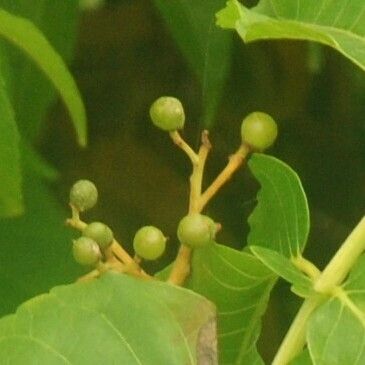
Often called the Lerak or the Soapnut Tree, Sapindus rarak is nature’s very own laundry detergent. For centuries across Southeast Asia, its fruits have been harvested to create a gentle, biodegradable cleanser that is world-famous for preserving the intricate colors of hand-drawn Batik fabrics. It is a majestic tropical tree that transforms unremarkable flowers into "magic" berries that produce a rich, cleansing foam when agitated with water.
🔍 How to Identify
- 🍃 Feathery Foliage: The leaves are large and pinnate (feather-shaped), consisting of several pairs of leaflets that create a dense, cooling canopy.
- 🍒 The "Soap" Berries: It produces round, fleshy fruits that start green and turn a golden-amber. Once dried, they become dark brown, wrinkled, and hard.
- 🌳 Bark & Stature: It is a medium-to-large tree with greyish-brown bark that remains relatively smooth even as the tree matures and reaches toward the sun.
🏡 In Your Garden
- 🌤️ Tropical Needs: This is a sun-loving giant that thrives in humid, tropical environments. It is not suited for indoor pots or cold climates, as it requires deep soil for its expansive root system and hates the frost.
- 🛡️ Natural Pest Repellent: You won't need many pesticides for this tree; the saponins (the "soap" compounds) in the bark and fruit act as a natural deterrent against many wood-boring insects and leaf-eaters.
- ♻️ The Sustainable Harvest: For the eco-conscious gardener, this tree is a goldmine. The fallen fruits can be collected, sun-dried, and used directly in your washing machine as a chemical-free alternative to commercial detergents.
⚠️ Safety & Toxicity
- 🚫 External Use Only: While the berries are excellent for skin and clothes, they are toxic if ingested. Eating the fruit can cause severe stomach upset, nausea, and throat irritation.
- 🐾 Pet & Child Safety: Keep the dried berries out of reach of curious toddlers and pets. They can be a choking hazard and will cause vomiting if chewed on.
- 🐟 Aquatic Hazard: Saponins are highly toxic to fish. Never wash your soapnuts or discard the "soapy" water directly into ponds, lakes, or streams, as it can suffocate aquatic life.
✨ Fun Fact
- ✨ The Batik Secret: Traditional Indonesian Batik artists refuse to use synthetic soaps on their masterpieces. They use Sapindus rarak (Lerak) exclusively because it is pH-balanced and lacks the harsh chemicals that would otherwise strip the natural dyes from the wax-treated fabric.

Detailed Care Instructions
Sapindus rarak, also known as wild soapberry or rarak nut, is a tropical plant native to Southeast Asia. Here are some tips on how to grow and care for Sapindus rarak plant:
- Climate: Sapindus rarak thrives in tropical and subtropical climates with plenty of sunlight and high humidity levels. It is important to provide a warm and sheltered growing environment for this plant.
- Soil: Sapindus rarak prefers well-draining, fertile soil with a slightly acidic pH level. You can amend the soil with organic matter such as compost or manure to improve its fertility.
- Watering: Water the Sapindus rarak plant regularly to keep the soil consistently moist, but not waterlogged. Allow the top layer of soil to dry out between waterings to prevent root rot.
- Fertilization: Apply a balanced, slow-release fertilizer to the Sapindus rarak plant every 6-8 weeks during the growing season to promote healthy growth and blooming.
- Pruning: Prune the Sapindus rarak plant regularly to control its size and shape. Remove dead or diseased branches, as well as any overcrowded growth to improve air circulation and sunlight penetration.
- Propagation: You can propagate Sapindus rarak plant from seeds or cuttings. Seeds should be sown in a well-draining soil mix and kept moist until germination. Cuttings can be taken from mature plants and rooted in water or a rooting hormone before planting in soil.
- Pests and Diseases: Keep an eye out for common pests such as aphids, scale insects, and mealybugs, as well as fungal diseases like powdery mildew. Treat any infestations promptly with neem oil or insecticidal soap to prevent further damage.
By following these tips, you can successfully grow and care for Sapindus rarak plant in your garden or indoor space. Happy gardening!
Sapindus Rarak plants require regular watering to thrive. It is best to water the plant deeply but infrequently, allowing the soil to dry out slightly between waterings.
To water a Sapindus Rarak plant, first check the soil moisture by inserting your finger into the soil. If the top inch of soil feels dry to the touch, it is time to water the plant.
When watering, aim to thoroughly saturate the root ball of the plant, ensuring that water reaches all parts of the root system. Avoid overwatering, as this can lead to root rot and other issues.
During hot summer months, the plant may require more frequent watering, while in the winter months, you may need to reduce the frequency of watering.
It is also important to water the plant at the base of the stem or roots, rather than overhead, to prevent water from pooling on the leaves and causing disease.
Overall, by providing the correct amount of water at the right time, you can help your Sapindus Rarak plant to grow healthy and strong.
To fertilize Sapindus Rarak plants, apply a balanced, slow-release fertilizer in the early spring before new growth begins. Use a fertilizer with a ratio of 10-10-10 or similar. Follow the manufacturer's instructions for proper application rates. Avoid over-fertilizing, as this can lead to nutrient imbalances and potential damage to the plant. Water the plant thoroughly after fertilizing to help distribute the nutrients and prevent burning. Repeat the fertilization process once or twice more during the growing season, following the same guidelines.
Sapindus Rarak plants prefer well-draining soil that is rich in organic matter. A soil mix that is a combination of sandy loam and compost is ideal for these plants. The pH level of the soil should be slightly acidic to neutral, between 6.0 and 7.0.
It is important to avoid using heavy clay soil or soil that retains too much water, as this can lead to root rot and other issues for the Sapindus Rarak plant. Additionally, adding perlite or coarse sand to the soil mix can improve drainage and aeration, promoting healthy root growth and overall plant health.
Regularly amending the soil with organic matter, such as compost or well-rotted manure, can help maintain soil fertility and provide essential nutrients for the Sapindus Rarak plant. Avoid using chemical fertilizers, as these can harm the plant and disrupt the natural balance of the soil ecosystem.
Overall, choosing the right soil mix for Sapindus Rarak plants is essential for their proper growth and development. Providing a well-draining, nutrient-rich soil will help ensure the plant thrives and produces healthy foliage and flowers.
Sapindus Rarak plants can be propagated through seeds or through vegetative means such as stem cuttings. To propagate by seeds, harvest the fresh seeds from mature fruits and remove the outer shell to reveal the inner seed. Plant the seeds in a well-draining soil mixture, cover lightly with soil, and water regularly. Germination typically occurs within 3-4 weeks.
To propagate by stem cuttings, select a healthy branch with at least two nodes and remove any leaves from the bottom half of the cutting. Dip the cutting in a rooting hormone and plant it in a well-draining soil mixture. Keep the soil consistently moist and provide indirect sunlight. Roots should begin to form within 4-6 weeks.
Once the propagated plant has grown to a sufficient size, it can be transplanted into a larger container or directly into the ground. Ensure the plant receives adequate sunlight, water, and nutrients to promote healthy growth.








