Plant Overview
Often called the Himalayan Sweet Box, this evergreen beauty is nature’s way of rewarding the patient gardener. While most plants slumber in the dead of winter, Sarcococca wallichii wakes up, releasing a powerful, honey-sweet perfume from its tiny, hidden blossoms. Native to the damp mountain forests of Nepal and Bhutan, it brings a touch of exotic resilience to the shadiest corners of your home landscape.
🔍 How to Identify
- 🍃 Lush Foliage: It features elegant, lance-shaped leaves that are a deep, glossy green. They are notably longer and more tapered than those of its more common cousin, Sarcococca confusa.
- ❄️ Winter Blooms: In late winter, small, creamy-white flowers appear in the leaf axils. They lack showy petals and instead look like delicate, feathery tassels.
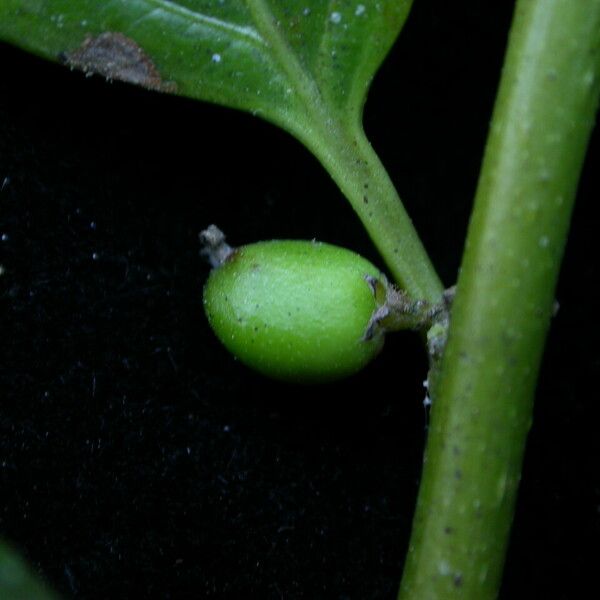
- 🔮 Dark Berries: Following the fragrant bloom, the plant produces round, fleshy fruits that transition from green to a deep, polished purple or black.
🏡 In Your Garden
- 🌑 The Shade Specialist: This plant is a "shadow dweller." It thrives in deep shade where most flowering plants would fail. It is the perfect solution for north-facing walls or the dark gaps beneath large canopy trees.
- 🪵 Mulch Matters: While it is tough once established, it hates "wet feet" but loves consistent moisture. Adding a thick layer of leaf mold or organic mulch mimics its native forest floor and keeps the roots happy during summer dry spells.
- 🌬️ Scent Placement: Because the fragrance is so potent, plant it near a doorway or a frequently used path so you can enjoy the "invisible" perfume during your winter walks.
⚠️ Safety & Toxicity
- 🚫 Mildly Toxic: Like many members of the Boxwood (Buxaceae) family, Sarcococca wallichii contains alkaloids that are considered toxic if ingested.
- 🐾 Pets & Kids: The dark berries can be tempting to small children or curious dogs. Ingestion may lead to stomach upset, nausea, or vomiting. It is best placed in areas where it won't be snacked upon by mistake.
✨ Fun Fact
The genus name Sarcococca is derived from the Greek words sarkos (flesh) and kokkos (berry). This literally translates to "fleshy berry," a nod to the plant's succulent, jewel-like fruits that persist long after the flowers have faded.

Detailed Care Instructions
To grow Sarcococca wallichii, commonly known as sweet box or Himalayan sweet box, follow these steps:
- Choose a suitable location: Select a shaded or partially shaded area in your garden. Sarcococca wallichii prefers moist, well-draining soil.
- Prepare the soil: Amend your soil with organic matter, such as compost, to improve drainage and fertility. Sarcococca wallichii can grow in a wide range of soil pH levels, but slightly acidic to neutral soil is ideal.
- Dig the planting hole: Dig a hole that is slightly larger than the root ball of the plant. Make sure the hole is deep enough to accommodate the entire root system without bending or crowding.
- Plant the shrub: Place the plant in the hole, making sure it sits at the same level it was growing previously. Backfill the hole with soil, gently pressing it down as you go to remove any air pockets.
- Water thoroughly: After planting, water the shrub deeply to settle the soil around the roots. Sarcococca wallichii appreciates consistent moisture, so make sure to water regularly, especially during dry periods.
- Mulch around the plant: Apply a layer of organic mulch, such as wood chips or shredded bark, around the base of the shrub. This helps to conserve moisture, suppress weeds, and insulate the soil.
- Pruning: Prune Sarcococca wallichii sparingly, as it tends to have a naturally compact and well-shaped form. Remove any dead, damaged, or crossing branches to maintain the plant's health and appearance. Prune after flowering if necessary.
- Fertilization: Sarcococca wallichii is not typically heavy feeders. However, you can apply a slow-release fertilizer formulated for shrubs in early spring if the growth or foliage appears lackluster.
- Protection from extreme temperatures: Provide protection from freezing temperatures, especially if you reside in a colder climate. Applying a layer of mulch around the base and covering the plant with burlap during winter can help protect it from winter frost.
- Enjoy the fragrance: Sarcococca wallichii is prized for its highly fragrant white flowers, which bloom in late winter to early spring. Enjoy the pleasant scent and the evergreen foliage this plant provides year-round.
Remember to consult your local gardening extension or nursery for more specific advice based on your climate and location.

Place in a window with dappled sun or a spot in the middle of a room. Or directly in a window facing west or east.

To properly water the Sarcococca Wallichii plant, follow these guidelines:
1. Ensure the plant is placed in a well-draining pot or soil. This will prevent waterlogging and root rot.
2. Check the moisture level of the soil regularly. Stick your finger about an inch into the soil; if it feels dry, it's time to water the plant.
3. Provide a deep watering rather than a light sprinkle. Pour water slowly onto the soil, allowing it to penetrate through to the roots. This promotes healthy root development.
4. Avoid overwatering the plant. While it requires consistent moisture, water only when the soil is dry. Excessive water can lead to root suffocation and other issues.
5. Take note of the surrounding humidity levels. Sarcococca Wallichii prefers higher humidity, so if you live in a drier climate, consider misting the plant with water to increase moisture around its foliage.
6. During the winter months, reduce watering slightly as the plant enters a dormant period. However, do not let the soil completely dry out.
7. Monitor any signs of stress in the plant, such as wilting or yellowing leaves. Adjust the watering frequency accordingly, ensuring it receives enough moisture to recover.
Remember, these instructions are general guidelines. It's important to consider the specific needs of your Sarcococca Wallichii plant and adapt the watering routine accordingly.
To fertilize Sarcococca Wallichii plant, follow the instructions below:
- Choose a slow-release, balanced fertilizer with an N-P-K ratio of around 10-10-10 or similar.
- Start fertilizing in the early spring, just as new growth begins.
- Dilute the fertilizer according to the package instructions, aiming for a slightly weaker concentration than recommended.
- Carefully apply the diluted fertilizer around the base of the plant, avoiding direct contact with the stems or foliage.
- Use a garden fork or a small hand tool to gently work the fertilizer into the top inch of soil.
- Water the plant thoroughly after applying the fertilizer to help it absorb the nutrients.
- Repeat the fertilization process once or twice during the growing season, with about 6-8 weeks between applications.
- Be cautious not to over-fertilize, as it may lead to excessive leaf growth at the expense of flower production.
- Keep an eye on the plant's response to the fertilization, adjusting the frequency or strength of applications if necessary.
Remember to always read and follow the instructions provided by the fertilizer manufacturer, as specific recommendations may vary.
When selecting soil for Sarcococca Wallichii, it is important to choose a well-draining medium that can retain some moisture while allowing excess water to pass through. The ideal soil composition consists of a balanced mixture of organic matter, such as compost or peat moss, and a coarse material like perlite or sand to enhance drainage. This type of soil provides a suitable environment for the plant's root system to develop and expand.
Sarcococca Wallichii prefers slightly acidic to neutral soil with a pH range between 6.0 and 7.0. It is essential to avoid heavy clay soils or those that become compacted easily since they can retain excessive moisture, leading to root rot and other fungal diseases. The plant thrives in loamy soils that allow air circulation and permit water penetration.
Additionally, incorporating some slow-release fertilizer into the soil during planting can provide a nutrient boost for Sarcococca Wallichii. However, it is important not to overfeed the plant, as excessive fertilizer application can result in nutrient burn. Regularly monitoring the soil moisture and pH levels, as well as adjusting the fertilizer regimen accordingly, will help maintain optimal growing conditions for Sarcococca Wallichii.
Sarcococca Wallichii, commonly known by several names such as sweet box or Himalayan boxwood, is a versatile evergreen shrub native to the Himalayan region. It belongs to the Buxaceae family and is often grown for its fragrant flowers, glossy foliage, and ability to thrive in shaded areas. Propagating this plant can be done through various methods, such as by seed, stem cuttings, or division.
- Seed Propagation:
- Collect mature berries from the plant when they are fully ripe and dark in color.
- Carefully remove the seeds from the fleshy, outer layer of the berries.
- Prepare a well-draining potting mix with a combination of peat moss and perlite or sand.
- Sow the seeds on top of the soil and lightly press them without covering them completely.
- Mist the soil with water to keep it moist but not waterlogged.
- Place the pot in a warm and well-lit location, preferably with indirect sunlight.
- Maintain a consistently moist environment by misting the soil regularly.
- Germination can take several weeks to months, so be patient.
- Once the seedlings have grown several true leaves, they can be transplanted into individual pots.
- Collect mature berries from the plant when they are fully ripe and dark in color.
- Stem Cutting Propagation:
- Take stem cuttings in spring or early summer when the plant is actively growing.
- Choose healthy, non-flowering stems that are about 4-6 inches long.
- Make a clean cut just below a node (the point where leaves emerge from the stem).
- Remove the lower leaves from the cutting to expose a bare stem.
- Dip the cut end into a rooting hormone powder to encourage root development (optional).
- Prepare a well-draining potting mix, such as a mixture of peat moss and perlite or sand.
- Insert the cutting into the soil, burying at least 2 inches of the stem.
- Water the cutting thoroughly and place it in a shaded area to prevent excessive moisture loss.
- Mist the cutting regularly to maintain high humidity and prevent wilting.
- After a few weeks, roots should start to form. You can check by gently tugging on the cutting; resistance indicates root growth.
- Once the roots have developed sufficiently, the cutting can be transplanted into a larger pot or directly into the garden.
- Take stem cuttings in spring or early summer when the plant is actively growing.
- Division:
- This method is best suited for mature plants that have formed clumps or multiple stems.
- In early spring or fall, carefully dig up the plant, trying to preserve as much of the root system as possible.
- Gently separate the clumps or individual stems.
- Replant the divided sections in well-prepared soil that is rich in organic matter.
- Water the newly divided plants thoroughly and keep them well-moistened until they establish.
By following these propagation methods, you can successfully reproduce Sarcococca Wallichii and enjoy their unique beauty and fragrance in your garden or landscape.
- This method is best suited for mature plants that have formed clumps or multiple stems.








