Plant Overview
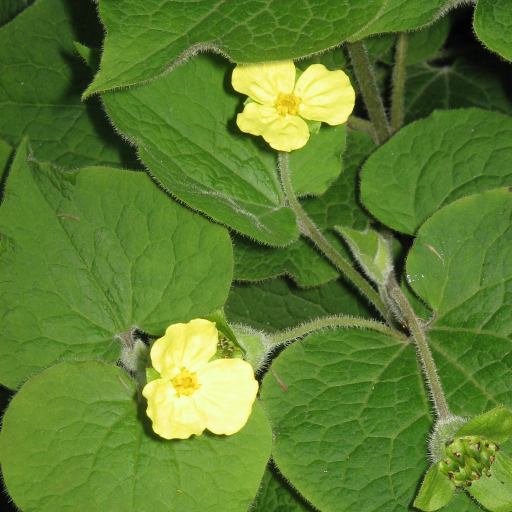
Known as the Upright Wild Ginger, Saruma henryi is a rare and elegant aristocrat of the woodland garden. Native to the shaded forests of China, this plant is the only member of its genus, making it a "monotypic" botanical treasure. It bridges the gap between a wild wildflower and a sophisticated garden specimen with its heart-shaped foliage and subtle, buttery blooms.
🔍 How to Identify
- 🌿 Velvety Foliage: The most striking feature is the large, heart-shaped leaves that are covered in fine, silvery hairs, giving them a soft, felt-like texture and a matte-green appearance.
- 🟡 Three-Petaled Flowers: Unlike true Wild Gingers (Asarum) whose flowers hide on the ground, Saruma displays its pale lemon-yellow, three-petaled blossoms at the tips of its stems.
- 📏 Upright Habit: While many of its relatives are low-growing groundcovers, this plant stands proudly at about 12 to 18 inches tall, forming a neat, architectural clump.
🏡 In Your Garden
- ☁️ The Perfect Shade Companion: This plant thrives in "bright shade"—think of the dappled light under a tall canopy. It is an excellent choice for those tricky, dimly lit corners where other perennials might struggle to stand out.
- 💧 Moisture is Key: Because it hails from forest floors, it dislikes drying out. It prefers rich, organic soil that stays consistently moist but not waterlogged. Once established, it is surprisingly resilient and can even self-seed gently to create a beautiful colony.
⚠️ Safety & Toxicity
- 🟢 Generally Safe: Saruma henryi is not known to be highly toxic to humans or pets through casual contact. However, it is a member of the Birthwort family, and some plants in this family contain compounds that should never be ingested.
- 🐾 Pet Caution: While not listed as a major hazard, it is always best to prevent cats or dogs from chewing on the velvety leaves to avoid potential stomach upset or allergic reactions.
✨ Fun Fact
The name "Saruma" is actually an anagram of "Asarum" (the genus of true Wild Gingers). Botanists created this name to highlight how closely related the two plants are, despite Saruma's unique upright growth habit!

Detailed Care Instructions
Growing Saruma henryi, often referred to as "Henry's ginger," can be quite rewarding due to its heart-shaped leaves and charming yellow flowers. Here's a step-by-step guide to help you successfully cultivate this plant:
1. Selection of Location:
- Light: Saruma henryi thrives in partial to full shade. It can handle bright indirect sunlight but avoid direct, harsh afternoon sun which can scorch the leaves.
- Soil: Choose well-draining, rich, humus-laden soil. The plant prefers a slightly acidic to neutral pH range.
2. Planting:
- When to Plant: The best time to plant Saruma henryi is in the spring or early fall when temperatures are cooler.
- Planting Depth: Dig a hole twice the width of the root ball and just as deep as the container it comes in.
- Spacing: Space multiple plants about 12-18 inches (30-45 cm) apart to allow for growth and airflow.
3. Watering:
- Initial Watering: Water thoroughly after planting to help the roots establish themselves.
- Regular Watering: Keep the soil consistently moist, especially during dry spells. Avoid waterlogging, as it can cause root rot.
- Mulching: Apply a layer of mulch around the plant to retain moisture and regulate soil temperature.
4. Fertilizing:
- Feeding: Use a balanced, slow-release fertilizer in the spring. Over-fertilization can lead to excessive foliage growth at the expense of flowers.
- Soil Amendments: Incorporating compost or well-rotted manure into the soil can improve fertility and structure.
5. Pruning and Maintenance:
- Deadheading: Remove spent flowers to encourage more blooms and prevent self-seeding.
- Cleaning: Periodically remove any dead or yellowing leaves to maintain plant health and aesthetics.
- Support: In windy areas, providing a windbreak or staking the plant can prevent damage.
6. Pests and Diseases:
- Pests: Watch out for common pests like slugs and snails which may damage the leaves. Use eco-friendly slug pellets or natural predators to manage them.
- Diseases: Ensure good air circulation around the plant to prevent fungal diseases. If any disease occurs, treat it promptly with appropriate fungicides.
7. Winter Care:
- Hardiness: Saruma henryi is hardy in USDA zones 5-9. In colder regions, apply a thick layer of mulch in late fall to protect the roots from freezing.
- Container Growing: If you're growing the plant in a container, move it to a sheltered location or indoors during the winter months.
8. Propagation:
- By Seed: Sow seeds in a seed tray with a well-draining mix in early spring. Keep the soil moist and provide indirect light until germination.
- By Division: Divide the plant in early spring or fall. Carefully dig up the plant and separate the root clumps with a sharp knife, then replant.
By following these steps, you should be able to successfully grow and enjoy Saruma henryi in your garden. Happy gardening!

Place in a window with dappled sun or a spot in the middle of a room. Or directly in a window facing west or east.

Watering a Saruma henryi involves understanding its specific moisture needs and environmental conditions. Here are detailed steps for effectively watering this plant:
1. **Soil Moisture:** Ensure the soil stays consistently moist, but not waterlogged. The soil should be well-draining to avoid root rot. You can achieve this by using a mix that includes organic matter like peat or compost.
2. **Watering Frequency:** During the growing season (spring and summer), you might need to water it more frequently, possibly every few days, depending on the climate and soil type. In cooler seasons (fall and winter), reduce the frequency as the plant’s growth slows down.
3. **Watering Method:** Water the soil directly rather than from above to avoid wetting the leaves, which can lead to fungal diseases. Use a watering can or a drip irrigation system to deliver water right to the base of the plant.
4. **Checking Moisture Levels:** Insert your finger about an inch into the soil to check for moisture. If it feels dry at this depth, it's time to water. Alternatively, you can use a moisture meter for more accurate readings.
5. **Environmental Conditions:** Take into account humidity levels and weather conditions. During hot, dry spells, the plant may require more frequent watering. Similarly, if it’s particularly humid, you might be able to water less often.
6. **Water Quality:** Use water that is at room temperature and, if possible, free from high levels of chlorine and other chemicals. Rainwater or distilled water can be ideal, depending on your local water quality.
7. **Mulching:** Apply a layer of mulch around the base of the plant to help retain soil moisture and reduce the frequency of watering. Mulching also helps in regulating soil temperature.
8. **Signs of Over/Under Watering:** Be vigilant about the plant’s response. Yellowing leaves can indicate overwatering, while wilting or dry leaves can suggest underwatering. Adjust your watering habits accordingly.
9. **Container Plants:** If growing in a container, ensure the pot has adequate drainage holes and monitor more closely, as containers can dry out faster than garden soil.
By following these guidelines, you can help ensure that your Saruma henryi remains healthy and thrives in its environment.
For your Saruma henryi, consider these fertilizing guidelines:
- Type of Fertilizer: Use a balanced, slow-release granular fertilizer with an N-P-K ratio of about 10-10-10 or a water-soluble fertilizer with a similar ratio.
- When to Fertilize: Apply fertilizer in early spring, just as new growth starts, and then again in mid-summer.
- Application Method:
- For granular fertilizer, evenly spread it around the base of the plant, out to the drip line. Avoid direct contact with the stem to prevent burning.
- If using water-soluble fertilizer, follow the manufacturer's instructions to mix the solution, then apply it to the soil around the plant.
- For granular fertilizer, evenly spread it around the base of the plant, out to the drip line. Avoid direct contact with the stem to prevent burning.
- Frequency: With slow-release formulations, once or twice per growing season should suffice. For water-soluble types, you might need to fertilize every 4-6 weeks throughout the growing season.
- Amount: Follow the package instructions on the fertilizer product. Generally, for granular types, about 1 tablespoon per square foot of soil surface is adequate. For water-soluble fertilizers, typically mix 1 teaspoon per gallon of water.
- Other Considerations:
- Ensure the soil is moist before applying fertilizer to prevent root burn.
- Water the plant thoroughly after fertilizing to help dissolve the nutrients and distribute them through the soil.
By following these guidelines, you should support vigorous growth and healthy blooms for your Saruma henryi.
- Ensure the soil is moist before applying fertilizer to prevent root burn.
For optimal growth of Saruma henryi, a perennial plant native to specific regions in China, it is essential to select the right type of soil. This plant thrives best in a soil that provides the following characteristics:
- Moisture Retention: The soil should remain consistently moist but not waterlogged. Well-draining soil is crucial to avoid root rot.
- Organic Matter: A rich, humus-laden soil enhances nutrient availability. Incorporating compost or well-decomposed leaf mold can improve the soil structure and fertility.
- pH Level: A slightly acidic to neutral pH range (around 6.0 to 7.0) is ideal for its growth. This pH range supports the availability of essential nutrients.
- Aeration: Good soil structure that allows for adequate air circulation around the roots is important for healthy development.
To achieve these conditions, you can prepare a soil mixture comprising:
- Equal parts of peat moss or coconut coir for moisture retention.
- Perlite or coarse sand to enhance drainage.
- Well-rotted compost or aged manure to enrich the soil with organic matter.
Regular monitoring of soil moisture and periodic soil amendments, such as the addition of organic mulch, can help maintain the optimal growing environment for Saruma henryi.
Propagating Saruma henryi can be accomplished through both seed propagation and vegetative methods such as division or cuttings. Here are the detailed steps for each method:
Seed Propagation:
- Seed Collection:
- Collect seeds from mature plants. The seeds are typically ready to be harvested in late summer or early autumn.
- Collect seeds from mature plants. The seeds are typically ready to be harvested in late summer or early autumn.
- Seed Preparation:
- Clean and dry the seeds to ensure they are free from any plant debris or moisture.
- Clean and dry the seeds to ensure they are free from any plant debris or moisture.
- Stratification:
- Many perennial seeds benefit from a period of cold stratification to break dormancy. Place the seeds in a plastic bag with a slightly moist medium like peat or sand and refrigerate for about 8-12 weeks.
- Many perennial seeds benefit from a period of cold stratification to break dormancy. Place the seeds in a plastic bag with a slightly moist medium like peat or sand and refrigerate for about 8-12 weeks.
- Sowing Seeds:
- After stratification, sow the seeds in a seed-starting mix. The seeds should be planted just beneath the surface of the soil because they require light to germinate.
- Water gently to avoid displacing the seeds.
- After stratification, sow the seeds in a seed-starting mix. The seeds should be planted just beneath the surface of the soil because they require light to germinate.
- Germination:
- Place the seed trays in a location with bright, indirect light and maintain a temperature of about 60-70°F (16-21°C).
- Keep the soil consistently moist but not waterlogged.
- Germination can take several weeks, so be patient.
- Place the seed trays in a location with bright, indirect light and maintain a temperature of about 60-70°F (16-21°C).
- Transplanting:
- Once the seedlings have developed a couple of true leaves and are large enough to handle, transplant them into individual pots.
- Gradually acclimate the young plants to outdoor conditions before planting them in their permanent location.
Vegetative Propagation:
- Once the seedlings have developed a couple of true leaves and are large enough to handle, transplant them into individual pots.
- Division:
- The best time to divide the plants is in early spring or autumn when they are not in active growth.
- Carefully dig up the plant, ensuring you don't damage the root system.
- Divide the root clump into sections, making sure each section has several roots and shoots.
- Replant the divisions promptly at the same depth they were originally growing, and water them well.
- The best time to divide the plants is in early spring or autumn when they are not in active growth.
- Cuttings:
- This method can be a bit more challenging but can be done in late spring to early summer.
- Take semi-ripe cuttings from healthy, non-flowering stems.
- Cut sections that are 4-6 inches long, just below a node.
- Remove the lower leaves and dip the cut end in rooting hormone to encourage root development.
- Plant the cuttings in a well-draining mix like a 50/50 blend of perlite and peat or a commercial cutting compost.
- Place the cuttings in a humid environment, such as a propagator or under a plastic dome, and maintain a steady temperature of around 68-75°F (20-24°C).
- Keep the medium moist but not waterlogged.
- Roots should develop within a few weeks, after which the new plants can be gradually acclimated to outdoor conditions before planting in their permanent location.
Following these methods should help you successfully propagate Saruma henryi and enhance your garden with this perennial plant.
- This method can be a bit more challenging but can be done in late spring to early summer.








