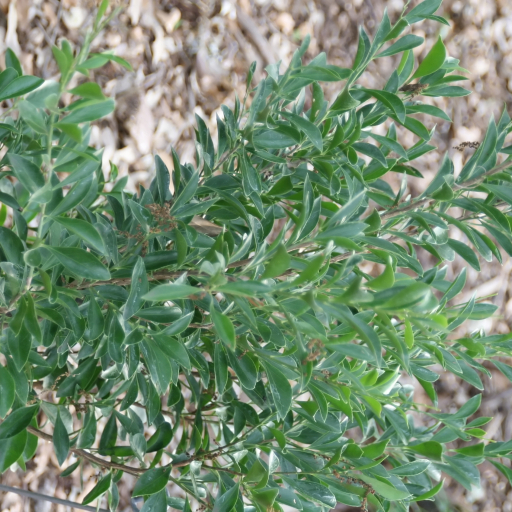
Plant Overview
Commonly known as the Florida Boxwood or Yellowwood, Schaefferia frutescens is a resilient evergreen shrub native to the tropical hammocks of Florida and the Caribbean. It is often celebrated as the "reliable backbone" of coastal landscapes due to its ability to maintain a lush, deep green appearance even in harsh salt air. While it shares its common name with traditional European boxwoods, this native beauty offers a distinct tropical flair, complete with vibrant, jewel-like berries.
🔍 How to Identify
- 🌿 Leathery Foliage: The leaves are small, elliptical, and have a waxy, leathery texture that helps the plant retain moisture. They are arranged alternately along the stems.
- 🌼 Inconspicuous Blooms: It produces tiny, greenish-white flowers that grow in small clusters. While they aren't flashy to the human eye, they are a vital nectar source for local pollinators.
- 🔴 Bright Drupes: The most striking feature is the fruit—small, round berries that transition from green to a brilliant, glowing orange or red as they ripen.
🏡 In Your Garden
- 🌊 Coastal Warrior: This plant is exceptionally salt-tolerant, making it a perfect choice for seaside gardens where other shrubs might wither from the ocean spray.
- ✂️ Pruning Potential: Because of its slow growth rate and dense branching, it is highly prized for "living fences" or formal hedges. It holds its shape beautifully after pruning, though it can reach the size of a small tree if left to its own devices.
⚠️ Safety & Toxicity
- 🚫 Inedible Berries: While the bright red berries look tempting, they are generally considered inedible for humans. They should never be consumed as they may cause digestive distress.
- 🐾 Pet Caution: The foliage and fruit are not classified as deadly, but they can cause stomach upset in curious dogs or cats. It is best to plant it in areas where pets aren't prone to grazing.
✨ Fun Fact
The wood of the Florida Boxwood is surprisingly heavy and fine-grained; historically, it was so highly valued for its durability that it was used to craft specialized items like tool handles and even high-quality woodwind instruments!

Detailed Care Instructions
To grow Schaefferia Frutescens, also known as False Roselle or Wild Cotton, you can follow these steps:
- Climate: This plant thrives in warm tropical or subtropical climates. It prefers full sun but can tolerate some shade during the hottest part of the day.
- Soil: Choose well-draining soil that is enriched with organic matter. The pH range should be slightly acidic to neutral.
- Planting: Sow the seeds directly into the garden bed or container. The ideal time for planting is during spring or early summer when the soil temperature is warm. Space the seeds about 12-18 inches apart.
- Watering: Keep the soil consistently moist but not waterlogged. Water the plants regularly, especially during dry spells. Mulching can help retain moisture in the soil.
- Fertilizing: Use a balanced, slow-release fertilizer or organic compost to supplement the soil. Apply fertilizer according to the packaging instructions or as recommended by a local gardening expert.
- Pruning: Trimming the plant helps to maintain its shape and promote bushier growth. Prune away any dead or damaged branches to maintain plant health.
- Pests and diseases: Schaefferia Frutescens is relatively pest-resistant. However, keep an eye out for common garden pests such as aphids, scale insects, or spider mites. If necessary, treat infestations with organic insecticides or follow the advice of a gardening professional.
- Harvesting: The plant produces edible leaves and flowers. Harvest the leaves as needed, picking the younger tender leaves for the best flavor. The flowers can also be collected when fully open.
Remember to check local regulations before introducing any new plant species to your area.
When watering this plant, it is important to avoid overwatering as it can lead to root rot and damage the plant. The soil should be allowed to dry out slightly between waterings, but not completely dry. Water deeply and thoroughly, making sure to saturate the root zone.
If the soil is heavy and does not drain well, consider adding sand, perlite, or peat moss to improve drainage. Watering frequency may also need to be adjusted based on environmental factors such as temperature and humidity.
It is best to water this plant in the morning or early evening when the sun is not as intense. This will allow the water to be absorbed by the soil rather than evaporating quickly.
A good way to test whether or not the plant needs water is to stick your finger into the soil up to the second knuckle. If the soil feels dry at this depth, it is time to water.
The Schaefferia Frutescens plant would benefit from fertilization during the growing season with a balanced fertilizer with equal amounts of nitrogen, phosphorus, and potassium. Apply the fertilizer according to the manufacturer's instructions and water the plant thoroughly afterward. Avoid over-fertilizing, as this can damage the plant. It is also recommended to incorporate organic matter, such as compost, into the soil before planting to provide a slow-release source of nutrients.
The appropriate soil for the Schaefferia Frutescens plant should include a mixture of organic matter and mineral components, such as sand and clay. The soil should be well-draining, as the plant does not tolerate waterlogged conditions. It is important to ensure that the pH level of the soil is between 6.0-7.5, as acidic or alkaline soils can negatively affect the growth of the plant. Additionally, the soil should be nutrient-rich, as the plant requires adequate amounts of nitrogen, phosphorous, and potassium. To achieve this, it is recommended to add slow-release fertilizers or compost to the soil. Overall, the soil should provide a stable foundation for the roots of the plant, while also fulfilling its nutritional needs.
To propagate this plant, you will need to collect stem cuttings from a healthy, mature plant. The cuttings should be approximately 6-8 inches long and taken from the top of the plant. Remove any leaves from the bottom half of the stem, leaving only a few at the top. Dip the cut end of the stem into rooting hormone to encourage root growth.
Prepare a well-draining potting mix and moisten it lightly. Make holes in the soil with a pencil or similar instrument, then insert the stem cuttings. Ensure that the soil is in firm contact with the stem, and water the cuttings gently. Cover the pot with a clear plastic bag or container to maintain humidity. Place the pot in a warm, bright spot avoiding direct sunlight.
Check the cuttings regularly and mist them if they appear to be drying out. After a few weeks, gently tug the stem to check for root growth. Once roots have developed, you can transplant each cutting into its own pot and continue to care for them as you would for mature plants.








