Plant Overview
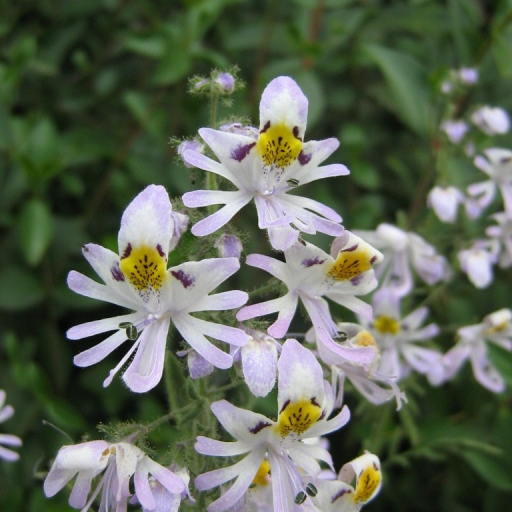
Often called the "Poor Man's Orchid," Schizanthus pinnatus creates a spectacular display of delicate, multi-colored blooms that resemble a swarm of tiny, resting butterflies. Originally from the cool slopes of Chile, these "Butterfly Flowers" have graced Victorian-style conservatories for centuries. Despite their exotic and high-maintenance appearance, they are rewarding annuals that bring an air of refined elegance to any cool-season garden or balcony.
🔍 How to Identify
- 🌸 Orchid-Like Blooms: It produces intricate, bi-colored or tri-colored flowers that often feature a bright yellow or white "throat" with contrasting spots to guide pollinators.
- 🌿 Ferny Foliage: The leaves are finely divided, feathery, and bright green, giving the plant a soft, lace-like texture even before the flowers appear.
- 🦋 Fringed Petals: Each individual flower is deeply lobed and fringed, creating a ruffled look that mimics the delicate wings of a butterfly or an expensive tropical orchid.
🏡 In Your Garden
- ❄️ Cool Weather Specialist: This plant is a "cool-season" lover. It thrives in the mild temperatures of spring and early summer but will often stop blooming or wither if exposed to intense, direct summer heat.
- ✂️ The Pinching Technique: To prevent the stems from becoming "leggy" or flopping over, pinch off the growing tips when the plant is about 3 inches tall. This encourages a compact, bushy shape that produces more flowers.
- 🪴 Container Champion: Because it prefers very well-drained soil and specific temperature control, it performs best in pots or hanging baskets where it can be moved to the shade during the hottest part of the day.
⚠️ Safety & Toxicity
- 🚫 Toxic if Ingested: Schizanthus is a member of the Solanaceae (Nightshade) family. All parts of the plant are considered toxic to humans and animals.
- 🐾 Pet & Child Warning: If eaten, it can cause digestive upset, drooling, or lethargy. It is best placed on high pedestals or hanging hooks away from curious pets and toddlers.
✨ Fun Fact
Despite its name and its striking resemblance to tropical orchids, Schizanthus pinnatus is actually a distant cousin of the common potato and the tomato!

Detailed Care Instructions
| Humidity | Normal |
| Lighting | Full Sun |
| Difficulty | Easy |
| Hibernation | Cold Period |
| Hardiness Zones | 3 - 9 |
To grow Schizanthus Pinnatus, also known as butterfly flower or poor-man's orchid, follow these steps:
- Choose the right location: Schizanthus Pinnatus prefers a location with partial shade to full sun. It thrives in cool temperatures and needs protection from hot afternoon sun in warmer climates.
- Prepare the soil: The soil should be well-draining and rich in organic matter. Amend the soil with compost or well-rotted manure before planting.
- Sow the seeds: Start the seeds indoors in late winter or early spring, around 6-8 weeks before the last frost date. Scatter the seeds on the soil surface and gently press them down, but do not cover them with soil. Mist the seeds with water to settle them in place.
- Maintain consistent moisture: Keep the soil moist but not excessively wet during the germination and growing process. Water the plants regularly, especially during dry spells. Avoid overwatering or allowing the soil to become waterlogged, as this can cause root rot.
- Transplant seedlings: When the seedlings have 2-3 sets of true leaves and all danger of frost has passed, transplant them into containers or directly into the garden. Space them around 8-12 inches apart to allow for sufficient air circulation.
- Fertilize: Feed the plants with a balanced, water-soluble fertilizer every few weeks during the growing season. Follow the instructions on the fertilizer packaging for the appropriate dosage.
- Pinch the plants: Pinch back the growing tips of young plants to encourage bushier growth and more abundant flowering. This can be done once the plants reach a height of around 4-6 inches.
- Provide support: Stake taller varieties or those that may topple over to provide support for the flowers and prevent them from bending or breaking.
- Deadhead spent flowers: Remove faded or wilted flowers promptly to encourage further blooming and prevent self-seeding.
- Protect from extreme heat: In hotter climates, provide some shade during the hottest part of the day to protect the plants from excessive heat stress.
- Control pests and diseases: Monitor for pests like aphids or spider mites, and treat promptly if necessary. Schizanthus Pinnatus is generally disease-resistant, but ensure good air circulation to prevent issues like powdery mildew.
By following these steps, you should be able to successfully grow Schizanthus Pinnatus and enjoy its beautiful and unique flowers.

Place in a bright room that is sun drenched almost all day. Or directly in a south-facing window.

To water the plant, you should first ensure that the soil is dry to the touch before watering. This will prevent overwatering and root rot. Once the soil is dry, water the plant thoroughly and evenly, making sure that the water reaches the roots. Avoid getting water on the leaves or flowers as this can cause damage or disease. You can use a watering can or a hose with a gentle spray nozzle to water the plant. Water the plant regularly, but do not water excessively as this can also lead to root rot.
To fertilize this plant, use a balanced fertilizer with equal parts nitrogen, phosphorus, and potassium. Apply the fertilizer once every 2-4 weeks during the growing season, starting in early spring and ending in late summer. Water the plant thoroughly before and after fertilizing to prevent fertilizer burn. Avoid over-fertilizing as this can lead to burnt or damaged foliage.
The ideal soil to use for the plant in question needs to be well-draining and rich in nutrients. You might want to consider using a potting mix that includes perlite, peat moss, and vermiculite. This type of soil can help promote growth and improve root health. Additionally, adding organic matter such as compost or aged manure can further enhance the soil's nutrient content. It's also important to avoid using soil that is too heavy or soggy, as this can lead to root rot. Overall, the best soil for your plant should be loose, well-aerated, and have good water-holding capacity to provide optimal conditions for Schizanthus Pinnatus to thrive.
Schizanthus Pinnatus is a plant that can be propagated by taking stem cuttings. To do this, select a healthy, mature stem that is about 4-6 inches long. Cut the stem just below a leaf node with a sharp, sterile knife or scissors. Remove any leaves from the lower half of the stem to prevent water loss. Dip the cut end of the stem in rooting hormone powder to encourage root growth. Plant the stem in a sterile, well-draining potting mix and water thoroughly. Cover the cutting with a plastic bag to maintain humidity and place it in a warm, bright location, avoiding direct sunlight. It is important to keep the soil moist but not waterlogged during the rooting process. After a few weeks, the cutting should start to develop roots and new growth. Once the roots have developed, the new plant can be transplanted into a larger container or in the garden.








