Plant Overview
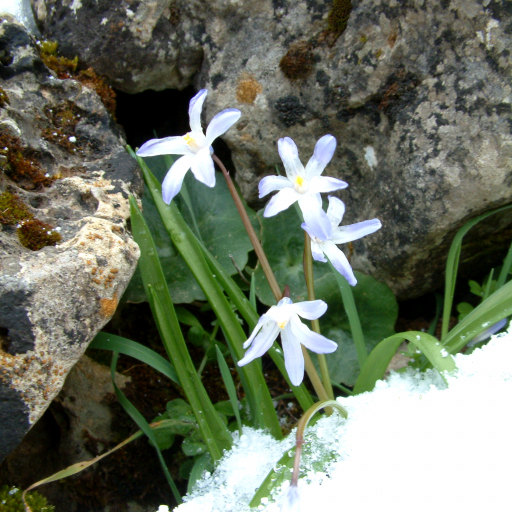
Known as the Cretan Squill or simply Dwarf Squill, this tiny alpine treasure is like a fallen piece of the sky tucked into the rocky crevices of the Mediterranean. Native to the high mountains of Crete, it is a hardy survivor that announces the end of winter with its delicate, pale blue stars. It is the perfect "gem" for gardeners who appreciate beauty in small, intricate packages.
🔍 How to Identify
- 🌸 Star-Shaped Blooms: Features upward-facing, six-petaled flowers that form a perfect star shape, usually appearing in clusters of one to three per stem.
- 🎨 Pale Palette: The petals range from a soft lilac-blue to nearly white, often featuring a subtle, darker blue "vein" running down the center of each petal.
- 🌿 Compact Foliage: Produces narrow, strap-like green leaves that emerge alongside the flowers, rarely growing more than a few inches tall.
🏡 In Your Garden
- 🏔️ Alpine Needs: Because it originates from high-altitude rocky slopes, it demands exceptional drainage. It is at home in rock gardens, gravel screes, or troughs where water never pools.
- 💤 Summer Dormancy: As a spring ephemeral, the plant completely disappears by early summer. It isn't dead; it is simply retreating into its bulb to survive the heat. Mark the spot so you don't accidentally dig it up!
- 🧤 Low Maintenance: Once established, it resents being moved. Its "taproot-like" bulbous system prefers to stay put for years to build up the energy for its spring show.
⚠️ Safety & Toxicity
- 🚫 Harmful if Eaten: All parts of the Scilla nana, especially the bulb, contain cardiac glycosides which are toxic to humans and animals.
- 🐾 Pet & Child Safety: Keep this plant out of reach of curious pets or toddlers. Ingestion can lead to nausea, abdominal pain, and in severe cases, heart rhythm issues.
- 🧤 Skin Sensitivity: Some gardeners experience mild skin irritation (dermatitis) when handling the bulbs; wearing gloves during planting is recommended.
✨ Fun Fact
The species name "nana" is derived from the Latin word for "dwarf." Despite its tiny stature, it is rugged enough to bloom even while snow is still melting on the Cretan mountainsides!

Detailed Care Instructions
To grow the Scilla Nana plant, follow these steps:
- Choose the right location: Scilla Nana prefers full sun to partial shade. Select a spot with well-draining soil.
- Planting: Plant the bulbs in the fall, about 3-4 inches deep and 3-4 inches apart. Place them in the ground with the pointed ends facing upward.
- Soil preparation: Improve the soil by adding organic matter, such as compost, to enhance drainage and provide nutrients.
- Watering: Water the bulbs immediately after planting to help settle the soil. After that, only water when the soil is dry. Scilla Nana prefers moderate moisture levels and can tolerate drier conditions once established.
- Fertilization: Apply a balanced fertilizer, such as a 10-10-10, in the spring before the plants emerge. Follow the package instructions for the specific amounts.
- Mulching: Apply a layer of organic mulch around the plants to help retain moisture, suppress weeds, and protect the bulbs during winter.
- Maintenance: Remove spent flower stalks to prevent the plant from directing energy into seed production. Once the leaves turn yellow and die back, you can cut them off.
- Division: Every few years, dig up the bulbs in late summer or early fall and divide the clumps. Replant the bulbs immediately, spacing them apart as before.
Scilla Nana plants are generally low maintenance and can naturalize over time, forming beautiful clusters of flowers.
Scilla Nana is a type of plant that belongs to the Asparagaceae family. It is a popular choice among gardeners due to its delicate and beautiful flowers. Watering plays a crucial role in the health and growth of Scilla Nana plants. Here are some detailed instructions on how to water this plant effectively:
- Understanding the watering needs: Scilla Nana plants prefer slightly moist soil. They are not drought-tolerant, so they need regular watering to thrive. However, it's essential to avoid overwatering, as excessive moisture can lead to root rot.
- Choosing the right watering method: The most effective way to water Scilla Nana plants is by using the bottom watering method. Fill a saucer or tray with water and place the potted plant on top of it. Let the plant soak up the water through the drainage holes in the pot's bottom. This ensures that the roots receive water directly, reducing the risk of fungal diseases caused by wet foliage.
- Watering frequency: The frequency of watering depends on various factors like temperature, humidity, and soil type. As a general guideline, water the Scilla Nana plant when the top inch of the soil feels dry to the touch. Stick your finger or a moisture meter into the soil to determine its moisture content accurately.
- Water quantity: When watering, provide enough water to thoroughly moisten the soil. The goal is to evenly distribute the moisture throughout the root zone without creating waterlogged conditions. Avoid letting the plant sit in standing water, as this can promote root rot.
- Seasonal variations: Adjust the watering routine according to the seasonal changes. During the active growing season, typically spring and summer, the Scilla Nana plant may require more frequent watering. In fall and winter, when the plant goes into dormancy, reduce the watering frequency while ensuring the soil doesn't completely dry out.
- Monitoring humidity levels: Scilla Nana plants prefer moderate humidity. In dry indoor environments or during hot weather, consider placing a tray of water near the plant or using a humidifier to maintain adequate humidity levels.
- Outdoor considerations: If growing Scilla Nana outdoors, factors like rainfall and soil drainage should be taken into account. Ensure the plant is not sitting in waterlogged soil after heavy rains and adjust watering accordingly.
Remember, every plant is unique, and factors such as pot size, soil type, and environmental conditions can influence watering requirements. Regularly observe the plant's leaves and soil moisture levels to determine the optimal watering routine for your Scilla Nana.
To properly fertilize the Scilla Nana plant, follow these instructions:
- Choose a balanced, water-soluble fertilizer specifically formulated for flowering plants.
- Dilute the fertilizer solution according to the instructions on the label. Usually, a ratio of 1 tablespoon of fertilizer per gallon of water is recommended.
- Water the plant thoroughly before applying the fertilizer to ensure the soil is moist.
- Pour the diluted fertilizer solution around the base of the plant, taking care not to let it splash onto the foliage.
- Avoid over-fertilization, as it can lead to nutrient burn and harm the plant. Follow the recommended dosage and frequency for the specific fertilizer you are using.
- After application, water the plant again lightly to help distribute the nutrients into the soil.
- Fertilize the Scilla Nana plant during the growing season, which is typically from spring to early summer.
- Repeat the fertilization process every 4-6 weeks throughout the growing season to support healthy growth and flowering.
Note: It is important to always read and follow the instructions provided with your specific fertilizer product, as different brands may have slightly different fertilizing recommendations. Additionally, adjust the fertilization schedule based on the specific needs and environmental conditions of your Scilla Nana plant.
Scilla Nana, a perennial bulbous plant, prefers a specific type of soil that provides the ideal conditions for its growth and development. It thrives in well-draining soil that is rich, fertile, and loose in texture. The soil should be able to hold some moisture while still allowing excess water to drain freely to prevent waterlogging, which can be fatal to the plant.
A suitable soil mix for Scilla Nana can be created by combining equal parts of loamy soil, organic compost, and coarse sand or perlite. Loamy soil provides a good balance of clay, sand, and silt, ensuring proper drainage and moisture retention. Organic compost enriches the soil by adding essential nutrients and improving its overall fertility. Coarse sand or perlite helps to increase drainage and prevent the soil from becoming compacted, allowing the roots to breathe and establish themselves efficiently.
Before planting Scilla Nana, it is important to prepare the soil. Start by removing any weeds or debris from the area where you intend to plant. Loosen the soil using a garden fork or tiller, breaking up any clumps and creating a loose, crumbly texture. Remove any rocks or stones that could impede root growth.
Once the soil is prepared, dig a hole or trench, ensuring it is deep enough to accommodate the bulb at the appropriate planting depth. Gently place the Scilla Nana bulb in the hole, making sure the pointed end faces upward. Backfill the hole with the prepared soil mix, ensuring the bulb is adequately covered but not buried too deeply.
After planting, water the soil thoroughly to settle it around the bulb and encourage root development. Maintain regular watering throughout the growing season, allowing the soil to dry out slightly between waterings to avoid overwatering.
By selecting the right soil and properly preparing it, Scilla Nana can thrive and produce beautiful blooms, adding a touch of beauty to any garden or landscape.
Scilla Nana is propagated through division, bulb offsets, and seeds. Here's a detailed guide on how to propagate Scilla Nana:
- Division:
- Start by selecting a mature and healthy Scilla Nana plant.
- Gently lift the plant from the soil or container.
- Carefully separate the bulbs or corms attached to the plant's base. Ensure that each division has its own roots for successful growth.
- Trim any damaged or rotting roots.
- Plant the divisions in fresh, well-draining soil or pots with suitable potting mix, ensuring that the top of the bulb or corm is just slightly exposed.
- Water the newly divided plants thoroughly and place them in a location with bright, indirect light.
- Maintain adequate moisture levels in the soil but avoid overwatering, as excessive moisture can lead to root rot.
- New shoots should emerge within a few weeks to a couple of months, depending on the season and growing conditions.
- Start by selecting a mature and healthy Scilla Nana plant.
- Bulb Offsets:
- Check the base of your Scilla Nana plant for any bulb offsets, which are smaller bulbs attached to the main bulb.
- Wait until the offsets have grown to a reasonable size, usually when they are one-third to half the size of the parent bulb.
- Carefully detach the offsets from the parent bulb, ensuring that each has its own set of roots.
- Remove any damaged or dried roots.
- Plant the offsets in suitable potting mix or soil, burying them just below the surface.
- Provide sufficient water immediately and maintain adequate moisture levels as they grow.
- Place the newly potted offsets in a location with bright, indirect light.
- With appropriate care, the offsets will develop into independent Scilla Nana plants.
- Check the base of your Scilla Nana plant for any bulb offsets, which are smaller bulbs attached to the main bulb.
- Seeds:
- Scilla Nana can also be propagated from seeds, although it may take longer to establish compared to division or bulb offsets.
- After the plant has bloomed, allow the flowers to fade and form seed pods.
- Once the seed pods ripen and turn brown, carefully collect them.
- Place the seeds in a paper bag or envelope and label it.
- Store the seeds in a cool, dry location until the appropriate sowing time.
- When ready to sow, fill seed trays or small pots with a well-draining seed-starting mix.
- Sow the seeds on the surface of the soil and lightly press them down. Do not bury them deeply, as they require light to germinate.
- Mist the soil with water to provide moisture, and cover the containers with a plastic dome or plastic wrap to create a humid environment.
- Place the containers in a bright but indirect light spot, maintaining a temperature range of around 70-75°F (21-24°C).
- Keep the soil moist but not waterlogged, as excessive moisture can cause rot.
- Germination may take several weeks or months, so be patient.
- Once the seedlings have developed a few sets of true leaves, they can be transplanted into individual pots or directly into the garden.
Remember to research and follow any specific guidelines or recommendations for your particular variety of Scilla Nana, as certain nuances may exist.
- Scilla Nana can also be propagated from seeds, although it may take longer to establish compared to division or bulb offsets.








