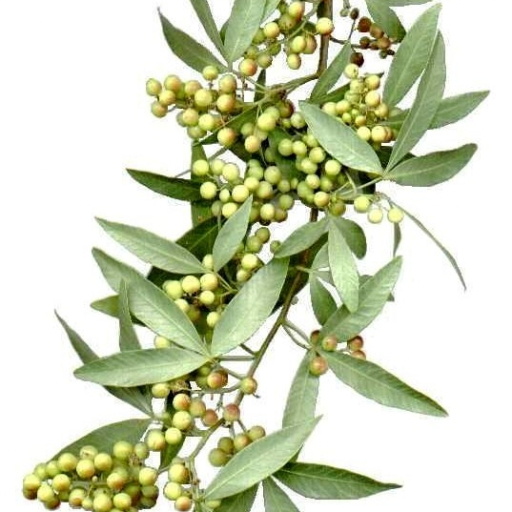
Plant Overview
The White Karee is the "weeping willow" of the dry African landscape. Often found hugging the banks of the Orange River, this graceful evergreen is beloved for its soft, drooping branches that sway elegantly in the breeze. It is a favorite among landscapers who want the "willow look" without the aggressive, water-seeking root systems associated with true willows.
🔍 How to Identify
- 🌿 Trifoliate Leaves: Look for light-green, lance-shaped leaves that always grow in groups of three. They are narrow and slightly curved, giving the tree a fine-textured appearance.
- 🎋 Weeping Habit: Its most defining feature is its long, slender branches that "weep" toward the ground, creating a shimmering, silver-green curtain.
- 🌑 Smooth Bark: Young trees have smooth, light-gray bark that becomes darker and slightly fissured as the tree reaches maturity.
- 🍒 Flattened Fruits: In late summer, female trees produce small, bunched clusters of tiny, round, flattened fruits that turn from green to a reddish-brown when ripe.
🏡 In Your Garden
- 🛡️ The Ultimate Screen: Because of its fast growth and dense, pendulous foliage, it is one of the best choices for a natural windbreak or a privacy screen between neighbors.
- 💧 Water Wise: While it naturally grows near water, it is surprisingly drought-tolerant once its roots have settled. It’s a "smart" tree that can handle a bit of neglect but will look much lusher with occasional deep watering.
- 🐦 Bird Magnet: If you enjoy birdwatching, this tree is a must-have. The small berries provide a vital food source for fruit-eating birds like bulbuls and barbets.
- 🏗️ Civilized Roots: Unlike many large shade trees, the White Karee has a relatively non-invasive root system, meaning it is safer to plant near paving or walls than many of its cousins.
⚠️ Safety & Toxicity
- 🟢 Generally Safe: The Searsia pendulina is considered non-toxic to humans and common household pets.
- 🐾 Pet Friendly: There are no known records of this tree causing distress to cats or dogs if they nibble on the leaves.
- 🍽️ Edible Berries: While the berries are technically edible and were historically used to make a type of tea or beer, they are mostly pithy and are best left for the local wildlife.
✨ Fun Fact
The wood of the White Karee is incredibly tough and flexible. Historically, it was highly prized for making traditional bows and the "felloes" (outer rims) of wagon wheels!

Detailed Care Instructions
To grow a Searsia Pendulina plant, follow these steps:
- Propagation: Start by collecting seeds or cuttings from a mature Searsia Pendulina plant. Seeds are available from online plant nurseries or local garden centers, and cuttings can be taken in spring or early summer. Cuttings should be around 4-6 inches long and taken from healthy, disease-free plants.
- Soil and pot: Choose a well-draining potting mix consisting of equal parts of potting soil, sand, and perlite. Fill a small pot or seed tray with this mixture.
- Planting seeds: If starting from seeds, sow them about ¼ inch deep in the potting mix. Lightly cover the seeds with soil and water gently. Place the pot in a warm and bright location, such as near a sunny window.
- Watering: Keep the soil consistently moist but not waterlogged. Avoid overwatering, as it can lead to root rot. Water when the top inch of soil feels dry to the touch.
- Temperature and light: Ensure the plant receives a minimum temperature of 60°F (15°C). Place it in a bright location, but avoid direct sunlight during the hottest part of the day. Searsia Pendulina plants prefer bright light but not intense heat.
- Transplanting: When the seedlings have a few sets of true leaves and are well-established, transplant them into larger pots. Choose pots that are at least 6 inches in diameter to allow enough room for the roots to grow.
- Outdoor planting: If you live in a suitable climate (zones 8-10), you can plant Searsia Pendulina directly in your garden. Choose a sunny or partially shaded location with well-draining soil.
- Pruning: Prune the plant regularly to maintain its shape and encourage bushier growth. Remove any dead or diseased branches, and pinch back the tips to stimulate denser foliage.
- Fertilization: Feed the plant with a balanced, slow-release fertilizer during the growing season, following the instructions on the package. This will promote healthy growth and flowering.
- Protection: Protect the plant from extreme weather conditions, such as frost or strong winds, especially if it is young or newly transplanted.
Remember to do proper research about your specific region's climate and growing conditions to ensure the best chances of success with your Searsia Pendulina plant.

To water this plant, one should thoroughly saturate the soil so that the water reaches the roots. It is important to allow the soil to dry out slightly between waterings, as overwatering can lead to root rot. One can test the moisture level of the soil by sticking their finger into the soil up to the second knuckle. If the soil feels dry at that depth, it is time to water. It is also important to avoid watering the leaves or foliage, as this can lead to problems with fungal diseases. Instead, one should water the soil directly at the base of the plant. During the winter months, this plant may require less frequent watering as it goes into a period of dormancy.
To fertilize this plant, use a balanced fertilizer with equal parts nitrogen, phosphorus, and potassium. Apply the fertilizer during the growing season, typically from spring to summer, every four to six weeks. Dilute the fertilizer according to the package instructions. Do not over-fertilize, as it can lead to leaf burn and other plant health problems. Water the plant well before and after fertilizing to prevent root burn.
When planting and caring for [plant], it is important to use the appropriate type of soil to encourage healthy growth and development. The ideal soil for this plant is well-draining and rich in organic matter. It should have a pH that is slightly acidic to neutral.
To achieve this type of soil, you can mix equal parts of peat moss, garden soil, and perlite or sand. This will create a loose, well-draining soil that is easy for the plant's roots to grow through. The addition of organic matter, such as compost or leaf litter, will provide the plant with the necessary nutrients for healthy growth.
When planting [plant], make sure to dig a hole that is slightly larger than the root ball. This will allow the plant's roots to spread out and establish themselves in the soil. Once planted, water the plant deeply and regularly, making sure to avoid overwatering. With the right soil and care, [plant] should thrive and provide years of beauty and enjoyment in your garden.
There are several ways to propagate this plant. One way is through seed propagation. The seeds can be collected from mature fruits and sown in a suitable growth medium. Another way to propagate this plant is through stem cuttings. Select a healthy, mature stem from the parent plant and cut it cleanly using a sharp knife. Dip the cut end in a rooting hormone and plant it in a suitable growth medium. Keep the soil moist and provide adequate light and warmth until roots and new shoots develop. The newly propagated plant can then be transplanted into a larger container or in a suitable garden bed.








