Plant Overview
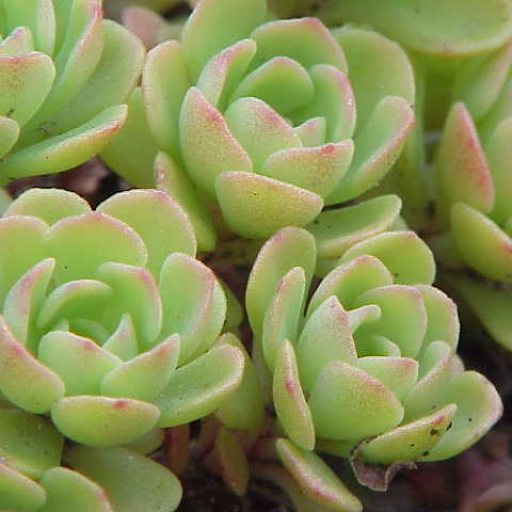
Known as the Cliff Stonecrop, this Appalachian native is the "cool kid" of the succulent world. While most stonecrops demand blistering sun and desert heat, this species prefers the moody, dappled light of woodland edges and rocky outcrops. It forms a lush, velvety carpet of blue-green rosettes that look like tiny, fleshy roses clinging to the earth.
🔍 How to Identify
- 🍃 Rosette Leaves: Features spoon-shaped (spatulate) leaves with a distinct "glaucous" finish—a waxy, blue-grey coating that helps the plant retain moisture.
- 🌸 Starry Blooms: In late spring, it produces sprays of brilliant white, four-petaled flowers. These star-shaped blossoms often have tiny purple anthers, adding a touch of hidden detail.
- 📏 Creeping Habit: It grows as a low-profile groundcover, rarely exceeding 4 inches in height, but spreading horizontally to fill gaps between stones.
🏡 In Your Garden
- 🪨 The Rock Dweller: This plant is a true "lithophyte," meaning it loves growing on rocks. It has a shallow, adventurous root system, making it perfect for tucking into stone walls or "crevice gardens" where deeper-rooted plants would struggle.
- ⛅ The Shade Exception: Unlike its sun-worshipping cousins (like Sedum album), the Cliff Stonecrop thrives in part-shade. In fact, in very hot climates, it requires a break from the afternoon sun to keep its foliage from scorching.
- ❄️ Winter Resilience: It is incredibly cold-hardy and remains evergreen in many climates, turning a slight reddish-bronze hue when the temperatures drop significantly.
⚠️ Safety & Toxicity
- 🐾 Non-Toxic: Sedum glaucophyllum is generally considered safe and non-toxic for cats, dogs, and horses, making it a "worry-free" addition to a pet-friendly yard.
- 👶 Kid-Safe: It lacks the spines or irritating saps found in other succulents. However, like all stonecrops, consuming large quantities could cause a mild stomach ache, so it’s best kept for looking, not tasting.
✨ Fun Fact
⛰️ The species name glaucophyllum literally translates from Greek as "blue-grey leaf." In the wild, this plant acts as a vital "pioneer species" in the Appalachian Mountains, slowly breaking down rock into organic soil over decades to help other woodland plants take root!

Detailed Care Instructions
To grow Sedum glaucophyllum, also known as Cliff Stonecrop, follow these steps:
- Planting location: Choose a sunny spot in your garden that receives at least 6 hours of direct sunlight per day. Sedum glaucophyllum thrives in well-draining soil, so make sure the soil is loose and not compacted.
- Soil preparation: Prepare the soil by adding organic matter such as compost to improve drainage and fertility. Sedum glaucophyllum prefers slightly acidic to neutral soil, so ensure the pH level is between 6.0 and 7.0.
- Planting time: Plant Sedum glaucophyllum in the spring or early fall when the soil is warm and there is less risk of frost.
- Planting method: Dig a hole that is slightly larger than the root ball of the plant. Place the plant in the hole with the crown at ground level, and gently backfill the hole with soil. Press down firmly around the base of the plant to eliminate air pockets.
- Watering: Water the newly planted Sedum glaucophyllum thoroughly to settle the soil and encourage root establishment. After that, water the plant only when the top inch of soil feels dry. This plant is drought-tolerant, so avoid overwatering and let the soil dry out between waterings.
- Fertilization: Sedum glaucophyllum does not require heavy fertilization. However, you can apply a balanced, slow-release fertilizer in early spring to provide a nutrient boost for the growing season. Follow the package instructions for proper application.
- Maintenance: Sedum glaucophyllum is a low-maintenance plant. Remove any weeds that might compete with the plant for nutrients and water. It rarely requires pruning, but you can trim back any leggy or damaged branches to maintain a neat appearance.
- Propagation: Sedum glaucophyllum can be easily propagated through stem cuttings or by division. Take stem cuttings in the spring or summer, allow them to callus for a few days, and then plant them in well-draining soil. To divide the plant, carefully separate offsets from the main plant and replant them in new locations.
By following these steps and providing proper care, your Sedum glaucophyllum plant should grow and thrive in your garden.

Place in a bright room that is sun drenched almost all day. Or directly in a south-facing window.

To water this plant, it's important to take into account its soil and drainage needs. First, make sure the soil is well-draining and doesn't hold onto excess moisture. Water deeply and evenly, allowing the water to soak down into the roots. Allow the soil to dry out partially between waterings, but don't let it completely dry out. Lightly misting the leaves can also help this plant thrive. It's important not to overwater, as this can lead to root rot.
To fertilize this plant, use a balanced fertilizer with a ratio of 10-10-10 or 20-20-20, and apply it once every two weeks during the growing season. Avoid fertilizing during the dormant season. When applying fertilizer, water the plant beforehand and dilute the fertilizer as directed on the packaging. Avoid over-fertilizing, as it can burn the roots and damage the plant.
The Sedum Glaucophyllum plant prefers well-draining soil that is sandy or loamy in texture. It can tolerate slightly alkaline to slightly acidic soil with a pH range of 6.0 to 7.5. The soil should also be nutrient-rich but not overly fertile. Too much nitrogen can cause the plant to become leggy and flop over. A soil mix that contains a combination of peat moss, coarse sand, and perlite or vermiculite is ideal for this plant. Adding organic matter such as compost or aged manure can also improve soil fertility and structure. Make sure to plant the Sedum Glaucophyllum in a location with sufficient sunlight and good air circulation to prevent fungal diseases.
Propagation of this plant can be done through stem cuttings or leaf cuttings. When selecting stem cuttings, choose healthy stems that are at least 4 inches long and have several leaves. Remove the bottom leaves and dip the cut end into rooting hormone. Place the cutting into well-draining soil and keep moist until roots have formed.
For leaf cuttings, choose healthy leaves and remove them from the stem. Cut the leaf in half and dip the cut end into rooting hormone. Place the leaf halves into well-draining soil and keep moist until new growth appears.
Propagation can also be done through division of the plant's root system. During the spring or fall, dig up the plant and carefully separate the root system into smaller sections, making sure each section has several stems and roots. Replant the sections into well-draining soil and keep moist until established.
Common pests of the cliff stonecrop include Mealybugs, aphids. Make a habit of checking your cliff stonecrop frequently for pests so that any infestations can be caught and managed early.








