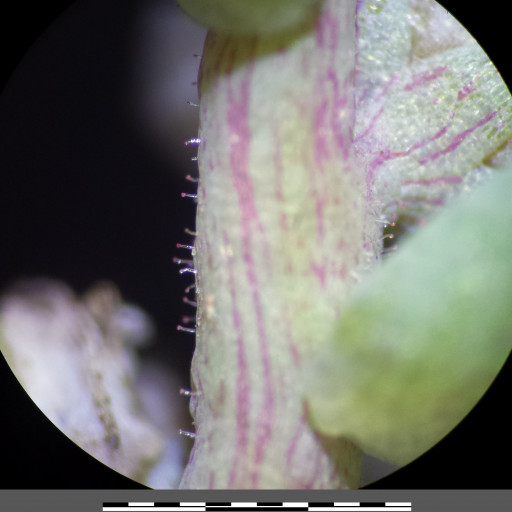
Plant Overview
Often called the "Spanish Stonecrop," this tiny succulent is a master of disguise, shifting its colors from icy blue to dusty rose depending on the intensity of the sun and the chill of the air. It creates a dense, moss-like cushion that looks like a miniature alpine forest, making it a favorite for fairy gardens and living "green roofs." While it looks delicate, this resilient wanderer is a tough survivor from the rocky landscapes of Central and Southern Europe.
🔍 How to Identify
- 🌿 Foliage: Tiny, fleshy, needle-like leaves that are glaucous (waxy) blue-gray, often clustered tightly along the stems.
- 🌸 Flowers: Small, star-shaped blooms that are white or pale pink, usually featuring six petals rather than the five seen on most other Sedums.
- 📏 Growth Habit: A low-growing, mat-forming succulent that rarely exceeds 4 inches in height but spreads eagerly to fill gaps.
🏡 In Your Garden
- 🪨 The Rock Star: This plant thrives in "neglected" spots where other plants fail, such as between paving stones, in shallow wall crevices, or atop gravelly soil.
- ☀️ Color Shifter: To get those beautiful pink and purple hues, it needs plenty of sunlight; in deep shade, it will lose its compact shape and turn a generic green.
- 💧 Drainage is Key: Because it evolved in rocky terrain, its shallow roots are prone to rot if they sit in soggy soil. It prefers a "soak and dry" watering method.
⚠️ Safety & Toxicity
- 🐾 Pet Safety: Sedum hispanicum is generally considered non-toxic to cats, dogs, and horses, making it a safe choice for low-level groundcover.
- 👶 Mild Irritation: While not poisonous, the sap can occasionally cause mild skin irritation in sensitive individuals, and ingesting large amounts of the leaves may cause a minor stomach upset.
✨ Fun Fact
- 🧬 The Eternal Guest: Although individual plants are often short-lived perennials, the Spanish Stonecrop is famous for its "self-perpetuating" habit. It drops tiny leaves and seeds so effectively that it seems to live forever, appearing in new cracks in the pavement year after year!

Detailed Care Instructions
| Soil Ph | Acidic, Neutral |
| Humidity | Dry |
| Lighting | Full Sun |
| Soil Type | Sandy, Loamy, Well-Drained |
| Bloom Time | Summer, Fall |
| Difficulty | Easy |
| Plant Type | Perennial Herb |
| Hibernation | Cold Period |
| Temperature | 20°C - 35°C |
| Sun Exposure | Full Sun To Partial Shade |
| Hardiness Zones | 3-9 |
To grow Sedum Hispanicum (also known as Blue Carpet Sedum) successfully, follow these steps:
- Planting: Select a well-draining pot or garden bed with full sun to partial shade. Ensure the soil is gritty, loose, and well-draining. If the soil is heavy clay, amend it with sand or grit.
- Propagation: Sedum Hispanicum can be propagated through stem cuttings or by division. Take 3-4 inch stem cuttings in spring or early summer, remove the lower leaves, and allow the cuttings to dry for a few days. Then, plant the cuttings in a well-draining soil mix and keep them slightly moist until they establish roots. Alternatively, divide mature plants in early spring or late summer, gently separating the clumps and replanting them.
- Watering: Sedum Hispanicum is a drought-tolerant plant that prefers dry to medium moisture levels. Water thoroughly, but allow the soil to dry out completely between waterings. Overwatering can lead to root rot.
- Fertilization: These plants do not require much fertilization. You can use a balanced fertilizer diluted to half strength in the spring, but avoid overfertilizing, as it can lead to leggy growth.
- Pruning: Sedum Hispanicum generally does not require extensive pruning. However, you can trim back any leggy or overgrown stems in late spring or early summer to maintain a compact, bushier shape.
- Winter care: Sedum Hispanicum is cold-hardy and can withstand freezing temperatures. However, if you live in an area with extremely harsh winters, you can provide some winter protection by covering the plants with a layer of mulch or moving potted plants indoors.
- Pests and diseases: These plants are generally pest and disease resistant. However, keep an eye out for aphids or mealybugs, which can occasionally infest Sedums. Treat any infestations promptly with insecticidal soap or neem oil.
By following these guidelines, you can successfully grow Sedum Hispanicum and enjoy its beautiful blue-green foliage and yellow flowers.

Place in a bright room that is sun drenched almost all day. Or directly in a south-facing window.

Sedum Hispanicum plant is a drought-tolerant succulent that requires watering only when the soil completely dries out. Make sure to water the plant deeply to encourage deep root growth rather than light watering frequently. It is best to check the moisture level of the soil before watering by sticking your finger into the soil up to your knuckle. If the soil feels dry, water the plant thoroughly, making sure to soak the soil completely. Take care not to overwater the plant as it can lead to root rot. Additionally, avoid getting water on the leaves as it can cause damage or discoloration. It is recommended to water the plant early in the morning or late in the afternoon to avoid evaporation and minimize the risk of fungal infections.
To fertilize this plant, choose a balanced fertilizer that provides equal amounts of nitrogen, phosphorus, and potassium. Mix the fertilizer with water according to the package instructions and apply it to the soil around the plant, being careful not to get any on the foliage. Fertilize once a month during the growing season, which is typically spring to fall. Avoid fertilizing during the winter months when the plant is dormant.
Sedum Hispanicum plants thrive in well-draining soil that is low in nutrients. It is recommended to use a mixture of soil and perlite or coarse sand to ensure adequate drainage. The soil should have a slightly acidic to neutral pH level, between 6.5 to 7.5. It is important to avoid using heavy, clayey soils as they can retain too much moisture and lead to root rot. A light, sandy soil that allows for good air circulation is ideal for Sedum Hispanicum plants. Regular watering is important, but the soil should not be kept consistently wet as it can also lead to root rot.
To propagate this plant, you should start by taking cuttings from the stems. These cuttings should be around 4-6 inches long and should not have any flowers or buds on them. Next, remove the leaves from the bottom 2 inches of the cutting. Then, dip the cut end of the stem into rooting hormone powder to encourage the growth of roots. Place the cutting into well-draining soil and water it well. Place the pot in a bright location, but out of direct sunlight. Keep the soil moist by watering when it feels dry to the touch. After a few weeks, your cutting should start to form roots and new growth.
Common pests of the spanish stonecrop include Mealybugs, aphids. Make a habit of checking your spanish stonecrop frequently for pests so that any infestations can be caught and managed early.








