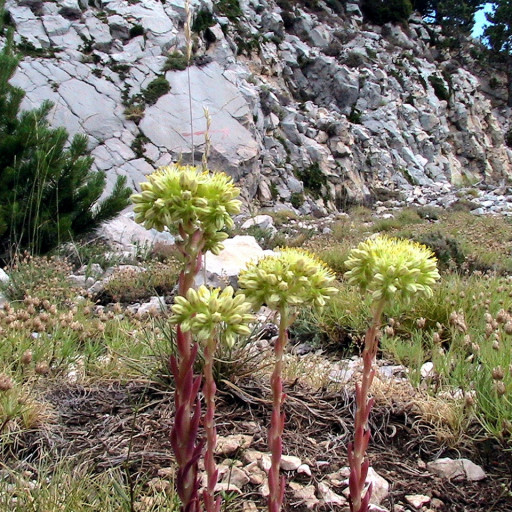
Plant Overview
Known affectionately as the "Blue Spruce Stonecrop" or "Jenny's Stonecrop," this rugged European native is a master of mimicry. At a glance, its sprawling stems look like miniature conifer branches carpeted across the earth, but a closer look reveals a soft, succulent heart. It is the ultimate "set it and forget it" plant for rock gardens and sunny pathways.
🔍 How to Identify
- 🌵 Foliage: The leaves are fleshy, needle-like, and pointed, typically a cool blue-gray or glaucous green. They are crowded along the stems, resembling tiny spruce branches.
- ⭐ Flowers: In mid-summer, it sends up tall, sturdy stalks topped with vibrant, star-shaped yellow flowers that act as magnets for local pollinators.
- 🔄 The "Reflex" Habit: One of its most distinct traits is the way the flower buds "nod" or curve downward before they bloom, which is why it is botanically named rupestre (meaning "of the rocks") and often called "Reflexed Stonecrop."
🏡 In Your Garden
- ☀️ Sun Seeker: This plant thrives in the harshest sun. If planted in too much shade, it loses its compact shape and becomes "leggy" as it stretches toward the light.
- 🪨 The Drainage King: It hates "wet feet" more than anything. It is best suited for sandy or rocky soil where water drains away quickly. It’s a perfect choice for crevices in stone walls or as a fire-resistant groundcover.
- 🎨 Seasonal Color Shift: While it stays evergreen, the tips of the blue needles often blush with hints of pink, orange, or bronze during the cold winter months or periods of high stress.
⚠️ Safety & Toxicity
- 🐾 Pet Safety: Sedum rupestre is generally considered non-toxic to dogs, cats, and horses.
- 👄 Mild Irritant: While not deadly, the sap contains alkaloids that can cause a mild stomach upset if ingested in large quantities by curious toddlers or pets.
- 🧤 Skin Sensitivity: Some people with very sensitive skin may experience a mild rash from the sap when pruning, so gardening gloves are always a good idea.
✨ Fun Fact
In some parts of Europe, Sedum rupestre is known as "Tripmadam." It was historically used as a culinary herb in salads or soups for its tart, slightly peppery flavor, though modern palates usually find it a bit too bitter!

Detailed Care Instructions
To grow Sedum Rupestre (also known as stonecrop) plants, you can follow these steps:
- Choose a suitable location: Sedum Rupestre thrives in full sun to partial shade conditions. It prefers well-drained soil, so make sure the planting area has good drainage.
- Prepare the soil: Ensure the soil is loose and friable. If the soil is heavy or clayey, add organic matter like compost or well-rotted manure to improve drainage and fertility.
- Planting: Dig a hole that is slightly larger than the root ball of the Sedum Rupestre plant. Place the plant in the hole, ensuring that the crown (where the stem meets the roots) is level with or slightly above the soil surface. Fill the hole with soil and press firmly around the plant to eliminate air pockets.
- Watering: After planting, water the Sedum Rupestre thoroughly, soaking the soil until it is evenly moist but not waterlogged. Once established, water the plant deeply but infrequently, allowing the top inch or so of soil to dry out between waterings. This promotes strong root growth and prevents root rot.
- Mulching: Apply a layer of organic mulch, such as wood chips or shredded leaves, around the base of the plant. Mulch helps retain soil moisture, suppresses weeds, and adds organic matter to the soil as it decomposes.
- Maintenance: Sedum Rupestre is a low-maintenance plant that requires minimal care. It is drought-tolerant and rarely needs fertilization. However, you can feed it once a year with a balanced slow-release fertilizer in spring to encourage healthy growth.
- Pruning: Trim back any dead or damaged stems or foliage as needed. In late winter or early spring, you can also prune the plant to remove old growth and promote new growth.
With these tips and regular monitoring, your Sedum Rupestre should grow and thrive, adding beauty to your garden or landscape.

Place in a bright room that is sun drenched almost all day. Or directly in a south-facing window.

To water this plant, it is important to assess the soil moisture first. Insert a finger in the soil about an inch deep and check if it feels dry. If it is, then provide water slowly and deeply, until the soil is damp but not waterlogged. Be careful not to wet the foliage when watering as it can cause rot and other diseases. Water only when the topsoil feels dry to the touch, and keep in mind that this plant needs less watering in winter and more in summer. Gradually reduce watering in fall to help the plant prepare for winter dormancy. Ensure that the pot has good drainage to prevent waterlogging.
To fertilize this plant, use a balanced fertilizer with equal amounts of nitrogen, phosphorus, and potassium. Apply the fertilizer once per month during the growing season, which is typically from spring to early fall. Be sure to follow the instructions on the fertilizer package and do not over-fertilize, as this can damage the plant. Water the plant before and after applying the fertilizer to ensure that it is properly absorbed.
The ideal soil for Sedum Rupestre plant should be well-draining, with a slightly acidic to neutral pH level. It should be rich in organic matter, but not too dense or compacted. A mix of sand, perlite, and peat moss can be used to achieve the desired texture and drainage. The soil should also be able to retain moisture, but not too much as it can cause root rot. It is important to avoid using heavy clay soils or those that retain too much moisture. This plant prefers a dry, rocky environment and can thrive in poor soil conditions.
To propagate this plant, first take stem cuttings that are approximately 3-4 inches long and remove the lower leaves. Let the cuttings dry for a couple of days until calluses form on the cut ends. Next, prepare a well-draining potting mix and insert the cuttings into the soil. Water the cuttings sparingly, making sure not to overwater them. Keep the cuttings in a sunny location with indirect light, but avoid direct sunlight. After a few weeks, the cuttings should produce roots and new growth, indicating that they have successfully propagated.
Common pests of the reflexed stonecrop include Mealybugs, aphids. Make a habit of checking your reflexed stonecrop frequently for pests so that any infestations can be caught and managed early.








