Plant Overview
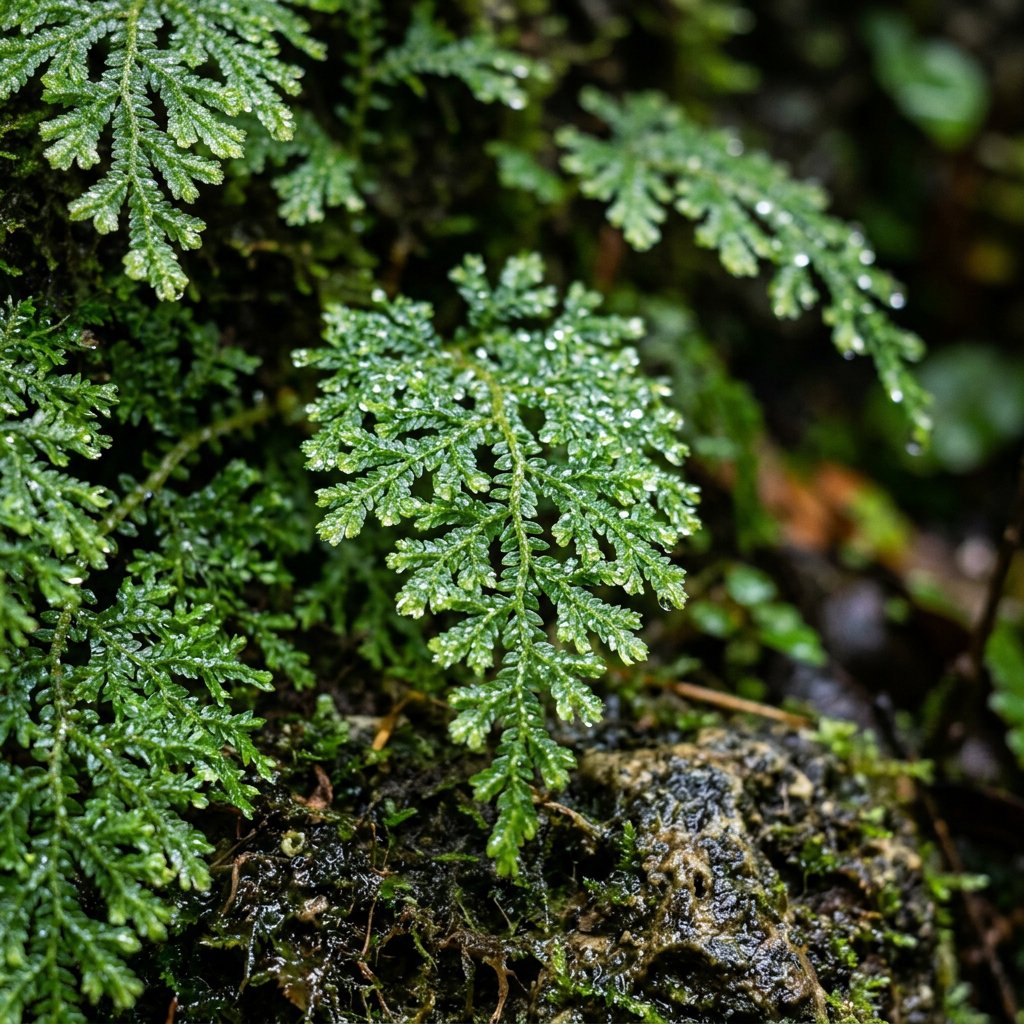
Looking like a miniature prehistoric jungle in a pot, Selaginella martensii, often called Martens's Spike Moss, is a lush, fern-like evergreen that adds a touch of ancient elegance to any indoor space. While it carries the name "moss," it is actually a lycophyte—a primitive vascular plant that has survived for millions of years. Native to the humid forests of Mexico and Central America, it creates a thick, vibrant carpet of fan-shaped foliage that feels like a trip back to the era of the dinosaurs.
🔍 How to Identify
- 🌿 Fan-Like Fronds: The foliage grows in flattened, fan-shaped sprays that overlap, creating a dense, architectural look similar to cedar branches.
- 🦎 Scaly Texture: Unlike true mosses which are soft and simple, these leaves are tiny, scale-like, and glossy, arranged neatly along the stems.
- 🌱 Stilted Roots: As the plant grows, it often sends down "rhizophores"—thin, leafless, straw-like structures that act as stilts to support the creeping stems and help the plant spread.
🏡 In Your Garden
- ☁️ Humidity is King: This plant is a "humidity hog." It thrives in the damp air of a bathroom or a closed terrarium; in dry living rooms, its delicate tips will quickly turn brown and crispy.
- 💧 Moisture Consistency: Because it lacks a deep root system, it cannot tolerate drying out. The soil should feel like a wrung-out sponge at all times—never soggy, but never bone-dry.
- 🌑 The Shade Seekers: In the wild, these plants live on the dim forest floor. In your home, they prefer "bright-indirect" light or even partial shade, as direct afternoon sun will scorch their delicate scales instantly.
⚠️ Safety & Toxicity
- 🐾 Pet Friendly: Great news for animal lovers! Selaginella martensii is generally considered non-toxic to cats and dogs.
- 👶 Child Safe: It is non-poisonous to humans, making it a safe choice for low-level shelves or terrariums in family homes.
- 🧤 Skin Sensitivity: While not toxic, some individuals with very sensitive skin may find the tiny, scale-like leaves slightly abrasive if handled frequently.
✨ Fun Fact
- 🕰️ Living Fossils: The ancestors of the Spike Moss were once giant, tree-sized plants that dominated the Earth's landscape over 300 million years ago, long before the first flowers ever bloomed!

Detailed Care Instructions
To grow Selaginella Martensii, also known as Martens' Spikemoss, you can follow these steps:
- Choose a suitable location: Selaginella Martensii prefers indirect or filtered sunlight. It can tolerate some shade but avoid exposing it to direct sunlight as it can scorch its delicate foliage.
- Provide the right temperature: This plant thrives in temperatures between 60-80°F (15-27°C). Avoid extreme temperature fluctuations and keep it away from drafts or heaters.
- Use well-draining soil: Selaginella Martensii prefers a well-draining soil mix. You can use a combination of peat moss, potting soil, and perlite to ensure good drainage.
- Watering: Martens' Spikemoss prefers evenly moist soil. Water the plant when the top inch of the soil feels dry to the touch. Avoid overwatering as it can cause root rot.
- Humidity: This plant thrives in high humidity. You can increase humidity around the plant by placing it on a pebble tray filled with water or using a humidifier. Misting the foliage occasionally can also help.
- Fertilizer: Feed your Selaginella Martensii every two weeks during the growing season (spring and summer) with a balanced liquid fertilizer diluted to half the recommended strength. Avoid fertilizing during winter months.
- Pruning: If the plant starts to look untidy or overgrown, you can prune it back using clean, sharp scissors. This will help maintain the desired shape.
- Propagation: Selaginella Martensii can be propagated through division or spores. To divide, carefully separate the plant into smaller sections and replant them. For spore propagation, collect spores from mature sporophylls and sow them on a tray filled with moist sphagnum moss. Keep the tray covered and mist it regularly until germination occurs.
Remember to monitor the plant regularly for signs of pests or diseases and take appropriate action if needed. With proper care, your Selaginella Martensii plant will thrive and grow successfully.

Place in a dark room with little light, like a dark bedroom or a spot far away from a window or directly in a north-facing window.

Selaginella Martensii plant needs to be watered frequently to keep the soil moist but not waterlogged. It is important to use filtered or distilled water as tap water can contain harmful minerals that can damage the plant. Watering should be done gently to avoid disturbing the delicate foliage of the plant. It is best to water the plant in the early morning or late evening to avoid direct sunlight and evaporation. Overwatering can lead to root rot while underwatering can cause the leaves to dry out and fall off. It is important to monitor the moisture level of the soil regularly to ensure that it stays consistently moist.
To fertilize this plant, you should use a balanced, water-soluble fertilizer every two weeks during the growing season. Dilute the fertilizer to half the recommended strength to avoid damaging the delicate foliage. Apply the fertilizer directly to the soil around the root zone, taking care not to get any on the leaves or stems. Make sure to water the plant well before and after fertilizing to help spread the nutrients throughout the root system. During the winter months, reduce fertilizer applications to once a month or stop altogether to allow the plant to enter a period of dormancy.
Selaginella martensii plant can thrive well in a soil that is moist and well-draining. The soil should be slightly acidic with a pH range of 5.0 to 6.0. It is essential to use a lightweight soil that is rich in humus and organic matter. The soil should also have good aeration, which allows for proper drainage and air circulation. A mixture of peat moss, perlite, and coarse sand is ideal for growing Selaginella Martensii. Avoid using heavy soils that retain moisture, as this can cause root rot and other fungal diseases in the plant.
- Obtain a healthy Selaginella Martensii plant: To start the propagation process of the Selaginella Martensii plant, you must first acquire a healthy plant. Make sure the plant is disease-free and has no signs of damage or distress.
- Choose a suitable propagation method: There are several propagation methods to choose from, including stem cuttings, division of the plant, and spores. Choose the method that suits you best and that you find most comfortable to carry out.
- Prepare the soil: The soil or soilless mix you use to propagate the Selaginella Martensii plant should be moist and well-drained. If you're using a soil mix, make sure it's a good-quality potting mix that's rich in nutrients.
- Take stem cuttings if preferred: If you choose to propagate the Selaginella Martensii plant using stem cuttings, be sure to select a healthy stem that has no signs of damage or disease. Make a clean cut just below a node, and remove any lower leaves.
- Place cuttings in a rooting hormone: Dip the cuttings in rooting hormone, or sprinkle a little rooting hormone on the bottom of the cuttings to encourage root growth.
- Potting up the cuttings: Once you've prepared the soil and taken your cuttings, you're ready to pot them up. Take a small pot and fill it with the moist, well-drained soil that you prepared earlier. Place the cuttings in the potting soil, and make sure there's enough soil to cover the bottom of the stems.
- Water the cuttings: Water the cuttings gently, making sure not to overwater them. Keep the soil moist but not soggy.
- Provide appropriate light and temperature conditions: Selaginella Martensii plant requires moderate light and temperature conditions. A temperature range of around 60-75°F (15-24°C) is appropriate, and they prefer indirect light.
- Care for the new plant: Once the plant is growing well, transplant it into a larger pot with fresh, nutrient-rich soil. Remember to keep the soil moist but not overwatered, and provide it with moderate light and temperature conditions.








