Plant Overview
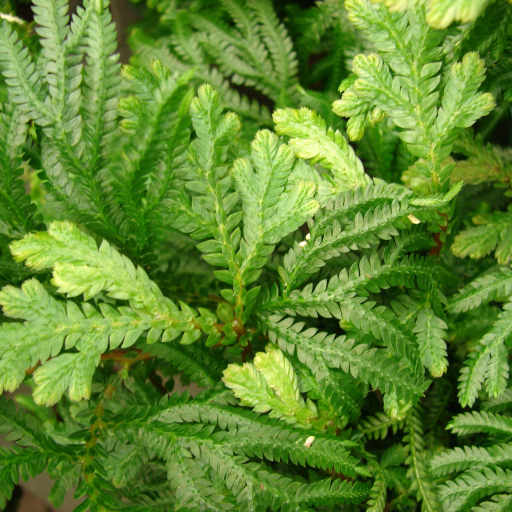
Often mistaken for a delicate fern, Selaginella plana—commonly known as the Asian Spikemoss—is actually a "fern ally" or lycophyte. Hailing from the humid rainforests of Southeast Asia, it earned the nickname "Fan Fern" because of its intricately layered, fan-like fronds. It acts as a lush, living carpet in tropical settings, bringing a prehistoric, emerald-green vibe to any indoor garden or terrarium.
🔍 How to Identify
- 🌿 Fan-Like Fronds: The branches are remarkably flat and broad, resembling tiny, lace-etched fans that layer over one another to create a dense canopy.
- 📏 Geometric Scales: Instead of standard leaves, the foliage consists of tiny, overlapping scales that give the plant a complex, architectural texture.
- 🌱 Creeping Habit: It spreads via horizontal stems that "scoot" along the ground, rooting easily wherever they touch moist soil to form a thick mat.
🏡 In Your Garden
- 💧 Humidity is Everything: This plant is a true humidity hog. If the air becomes too dry, those delicate fan tips will crisp up and turn brown almost overnight. It is most at home in the steamy environment of a terrarium or a well-lit bathroom.
- 🌑 Shade Seeker: In its native jungle habitat, it lives deep under the forest canopy. Direct sunlight will bleach its vibrant green color and "burn" the foliage, so it prefers soft, filtered light or moderate shade.
- 🪴 Moisture Consistency: It hates the "drought and drench" cycle. The soil should feel like a wrung-out sponge at all times; if it dries out completely, the plant may not recover.
⚠️ Safety & Toxicity
- ✅ Safe Status: Selaginella plana is generally considered non-toxic to humans, cats, and dogs.
- 👐 Physical Fragility: While it isn't poisonous, the plant is physically delicate. It doesn't tolerate "foot traffic" or frequent handling, so keep it in a spot where curious pets won't accidentally crush the brittle stems.
✨ Fun Fact
Spikemosses are often called "living fossils." Their ancestors dominated the Earth during the Carboniferous period—over 300 million years ago—and some species back then grew as tall as modern skyscrapers! Today’s Selaginella is a miniature reminder of those ancient, giant forests.

Detailed Care Instructions








