Plant Overview
High from the windswept peaks of Southern Africa comes Senecio rufescens, a hardy succulent that looks as though it has been wrapped in a thin layer of cobwebs. Often called the "Reddish Groundsel," this plant is a master of survival, using its distinctive "woolly" coat to protect itself from the intense mountain sun and biting winds. It is a favorite for rock garden enthusiasts who want a plant that looks like a piece of living sculpture.
🔍 How to Identify
- 🌿 The Foliage: Fleshy, spatula-shaped leaves that are densely covered in silvery-white hairs, giving the plant a soft, felted appearance.
- 🧣 Reddish Accents: Look closely at the stems and the undersides of the leaves; they often feature a distinct reddish-purple tint, which is where the species name rufescens (becoming reddish) originates.
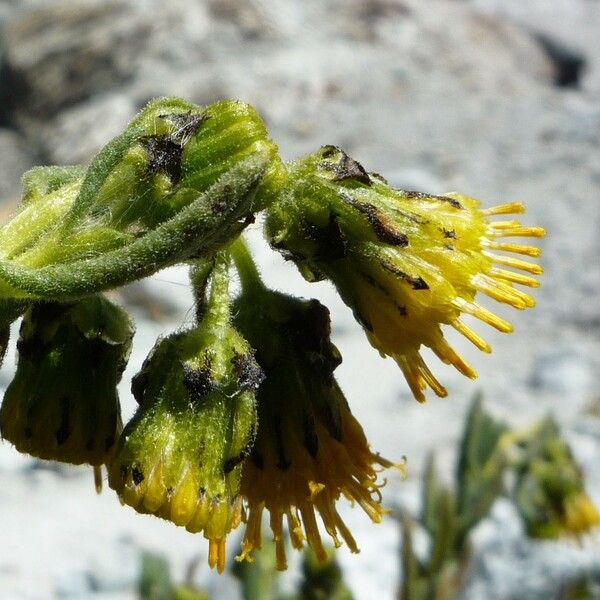
- 🌼 The Blooms: During its flowering season, it sends up slender stalks topped with bright yellow, daisy-like flowers that provide a sharp, cheerful contrast to the muted silver foliage.
🏡 In Your Garden
- ⛰️ Highland Roots: Because it originates from high-altitude rocky outcrops, this plant thrives in gritty, fast-draining soil. It hates "wet feet" and is prone to root rot if the soil stays damp for too long.
- ☀️ Sun Protection: That white fuzz isn't just for show—it acts like a built-in sunscreen. In a garden setting, this means the plant can handle intense light better than many other succulents, though it appreciates a bit of air circulation to prevent humidity buildup.
⚠️ Safety & Toxicity
- 🚫 Status: Toxic to ingest.
- 🐾 Details: Like many members of the Senecio genus, this plant contains pyrrolizidine alkaloids. These compounds can cause liver damage if eaten in significant quantities. It is best kept on high shelves or in secure garden spots away from curious pets and small children.
✨ Fun Fact
👴 The name Senecio is derived from the Latin word senex, meaning "old man." This is a nod to the fluffy white "beards" (the pappus) that appear on the seeds after the flowers fade, which eventually catch the wind to travel to new rocky crevices.

Detailed Care Instructions








