Plant Overview
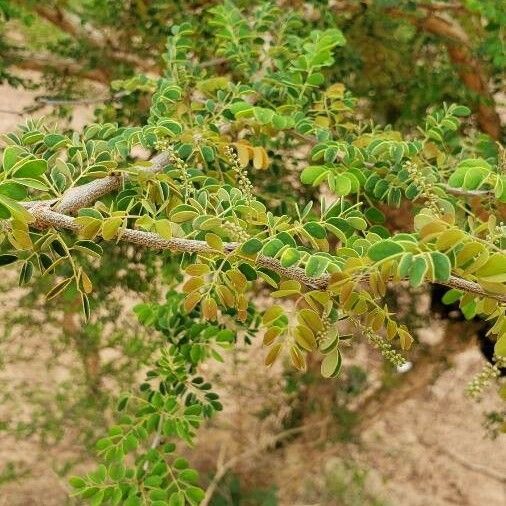
Often found gracing the arid landscapes of West Africa, Senegalia gourmaensis—formerly known as Acacia gourmaensis—is a resilient survivor known as the Gourma Acacia. It tells a story of endurance, thriving in rocky terrains where other plants wither, and acting as a vital anchor for fragile ecosystems. While its feathery foliage gives it a soft, elegant silhouette, it carries a "hidden" defense system that commands respect from anyone passing too closely.
🔍 How to Identify
- 🪝 The "Cat-Claw" Thorns: One of its most distinct features is the pairs of short, dark, hooked thorns located just below the leaf stalks. They are curved like talons, designed to snag anything that tries to graze its branches.
- 🌿 Feathery Foliage: The leaves are bipinnate and delicate, often sporting a dusty grayish-green hue. This specialized color helps the plant reflect intense tropical sunlight to stay cool.
- 🍦 Creamy Spikes: During the blooming season, it produces elongated, cylinder-shaped flower spikes rather than the round "puffballs" seen on other acacias. These creamy-white blooms are highly attractive to local pollinators.
🏡 In Your Garden
- 🪨 The Rock Specialist: This plant is a "lithophyte" at heart, meaning it loves stony, well-draining ground. If you are growing it, avoid heavy clay or "wet feet," as it is genetically programmed to seek out dry, airy root environments.
- ☁️ A Soil Healer: As a member of the legume family, it performs a magic trick called nitrogen fixation. It pulls nitrogen from the air and stores it in the soil, essentially acting as a natural fertilizer for the surrounding earth.
- ✂️ Pruning Strategy: Because it can grow into a multi-stemmed shrub or a small tree, it requires careful structural pruning early on if you want a single-trunk "tree" look. Always wear thick leather gloves to handle the hooked branches!
⚠️ Safety & Toxicity
- 🩹 Physical Hazard: Senegalia gourmaensis is not known to be chemically toxic to humans or common pets. However, the hooked thorns are the primary danger; they can cause deep scratches or snag clothing quite easily.
- 🐾 Pet Placement: While browsing animals often eat the leaves in the wild, it is best kept away from play areas for dogs or children to prevent accidental "run-ins" with its sharp defenses.
✨ Fun Fact
In West African traditions, various parts of this tree are used not just for nature, but for craft; the bark is exceptionally rich in tannins and has been used for generations to tan and dye leather into deep, earthy tones.

Detailed Care Instructions
Senegalia gourmaensis, also known as the Gourma Acacia or Acacia gourmaensis, is a type of tree native to sub-Saharan Africa. Here are some steps you can take to grow the Senegalia gourmaensis plant:
- Obtain seeds or seedlings: You can try to find seeds or seedlings from local nurseries that specialize in African plant species or through online sources.
- Choose the right location: Senegalia gourmaensis prefers full sun, so select a sunny spot in your garden or outdoor space.
- Prepare the soil: Senegalia gourmaensis prefers well-draining soil. Amend the soil by adding organic matter such as compost to improve its fertility and drainage.
- Sow the seeds or plant the seedlings: If you have seeds, sow them directly in the prepared soil at a depth of about 0.5 inches (1.3 cm). If using seedlings, dig a hole wide and deep enough to accommodate the root ball, place the seedling in the hole, and backfill with soil. Space the plants at least several feet apart to allow for their eventual growth.
- Water regularly: Water the newly planted seeds or seedlings regularly to maintain moist but not waterlogged soil. Once established, Senegalia gourmaensis is fairly drought-tolerant but will benefit from occasional watering during dry periods.
- Mulch the soil: Apply a layer of organic mulch around the base of the plant to help conserve moisture, suppress weeds, and regulate soil temperature.
- Prune as needed: Senegalia gourmaensis can grow quite tall, so prune the tree as needed to maintain its desired size and shape. Pruning also helps to remove dead or diseased branches.
- Protect from extreme temperatures: While Senegalia gourmaensis is generally hardy, it may require protection from extreme temperatures, especially during cold winters. Consider providing temporary cover or moving potted plants indoors during freezing conditions.
- Watch for pests and diseases: Monitor the plant for signs of pests, such as aphids or spider mites, and diseases like powdery mildew. Treat any issues promptly to prevent spreading and damage to the plant.
- Be patient: Senegalia gourmaensis is a slow-growing tree, so be patient with its growth. It may take several years for it to reach its mature size.
Remember to check your local regulations regarding the import and cultivation of exotic plant species, as well as any specific care requirements for Senegalia gourmaensis in your region.
Senegalia gourmaensis is a plant that requires a certain amount of water to thrive and remain healthy. Here are some details on how to properly water this plant:
- Understanding the moisture requirements: Senegalia gourmaensis is adapted to arid and semi-arid conditions, and therefore it has certain adaptations to survive in drier environments. It is crucial to provide water in an appropriate manner to avoid overwatering or underwatering.
- Assessing the soil moisture: Before watering, always check the moisture level of the soil. Insert your finger or a moisture meter into the soil to determine if it's dry or damp. Senegalia gourmaensis prefers well-draining soil, so it's important to avoid waterlogged conditions.
- Watering frequency: The watering frequency largely depends on the environmental conditions, such as temperature, humidity, and soil type. Typically, Senegalia gourmaensis requires watering every 10-14 days during the active growing season, such as spring and summer. However, it is essential to adjust the frequency based on the specific needs of your plant and the prevailing climate.
- Watering method: When watering Senegalia gourmaensis, it is advisable to use the soak and dry method. Thoroughly water the plant until the water starts to drain from the pot's drainage holes, ensuring the entire root ball is moistened. Afterward, allow the top few inches of soil to dry out before watering again. This method mimics the natural rainfall patterns in arid regions.
- Watering technique: It is vital to water Senegalia gourmaensis at the base of the plant and avoid wetting the foliage excessively. This helps prevent fungal diseases and encourages the roots to grow deeper in search of water. Pouring water slowly and directly onto the soil near the base of the plant is the recommended technique.
- Seasonal adjustments: The watering needs of Senegalia gourmaensis might change with the seasons. During the dormant winter period, reduce the watering frequency and allow the plant to experience a slight drying out between waterings. This helps imitate the natural conditions it would encounter in its native habitat.
Remember, it's important to observe your Senegalia gourmaensis plant closely and adjust the watering routine based on its specific needs. The aim is to provide sufficient moisture without causing waterlogged conditions, ultimately promoting its healthy growth.
To properly fertilize Senegalia gourmaensis, follow these instructions:
- Choose a balanced, slow-release fertilizer that is suitable for woody plants or trees. Look for a formulation with equal proportions of nitrogen (N), phosphorus (P), and potassium (K), such as a 10-10-10 or 14-14-14 blend.
- Apply the fertilizer during the plant's active growing season, which is typically in spring or early summer. Avoid fertilizing during the dormant period.
- Before applying the fertilizer, thoroughly water the soil around the plant to ensure it is moist.
- Calculate the appropriate amount of fertilizer to use based on the instructions on the packaging. Generally, a good rule of thumb is to use approximately 1/2 to 1 pound (225-450 grams) of fertilizer per 1 inch (2.5 cm) of trunk diameter.
- Spread the fertilizer evenly around the base of the plant, starting a few inches away from the trunk and extending the application area out to the drip line. The drip line is the area directly beneath the outermost branches where water would typically drip off.
- Gently work the fertilizer into the top layer of soil using a rake or cultivator. Be careful not to damage the plant's roots.
- After applying the fertilizer, water the area thoroughly to help activate the nutrients and prevent burning of the roots.
- Monitor the soil moisture levels regularly and water the plant as needed to maintain a slightly moist but not saturated environment.
- Repeat the fertilization process once or twice a year, following the same guidelines for timing and dosage. Avoid overfertilizing, as it can lead to excessive growth, weak stems, or nutrient imbalances.
Remember to always refer to the specific instructions provided on the fertilizer packaging as they might vary slightly depending on the brand and formulation.
When it comes to selecting the appropriate soil for the Senegalia gourmaensis plant, it is important to consider several factors to ensure optimal growth and health. Native to specific regions, this plant thrives in a specific soil composition that mimics its natural habitat. Here are some details about the preferred soil for Senegalia gourmaensis:
- Texture: The soil should have a well-draining texture to prevent waterlogging and root rot. It should strike a balance between moisture retention and good aeration. A sandy loam or loamy soil texture is recommended.
- pH level: Senegalia gourmaensis prefers slightly acidic to neutral soil pH levels ranging from 6.0 to 7.5. This allows for efficient nutrient uptake by the roots and overall healthy growth.
- Organic matter content: The soil should contain a decent amount of organic matter, which enriches the soil by promoting nutrient availability and improving water-holding capacity. This can be achieved by incorporating well-rotted compost or leaf mold into the soil.
- Nutrient composition: The soil should be rich in essential nutrients such as nitrogen, phosphorus, and potassium. These can be supplemented by using a balanced slow-release fertilizer or organic amendments like bone meal or blood meal.
- Drainage: Adequate drainage is crucial for the Senegalia gourmaensis plant, as standing water can lead to root suffocation and other water-related issues. In case the soil lacks natural drainage, adding sand or perlite can improve drainage capabilities.
- Watering requirements: The soil should retain enough moisture to sustain the plant, but not become waterlogged. It is advisable to allow the top inch of soil to dry out between watering to prevent overwatering.
It is important to note that the specific soil requirements may vary slightly depending on the specific growing conditions and climate of the region. Regular monitoring of the plant's growth and health, as well as adjusting the soil composition if necessary, will help ensure optimal conditions for the Senegalia gourmaensis plant.
To propagate Senegalia gourmaensis, you can follow these steps:
- Collecting seeds: Locate mature pods on the plant and wait for them to turn brown and dry out. Once the pods are ready, collect them by gently removing them from the plant.
- Seed preparation: Before sowing, it's recommended to pre-treat the seeds to enhance germination. One method is scarification, where the seed coat is nicked or scratched to break the hard outer layer. You can also soak the seeds in hot water for a few minutes or overnight to soften the outer layer.
- Sowing seeds: Fill a small pot or seed tray with a well-draining soil mix. Place the scarified or soaked seeds on the surface of the soil, spacing them a few inches apart. Lightly cover them with a thin layer of soil, ensuring they are still partially exposed.
- Providing suitable conditions: Place the pot or tray in a warm and bright location with indirect sunlight. It's essential to maintain a warm temperature, preferably around 70-85°F (21-29°C). Ensure the soil remains consistently moist but not waterlogged, as excess moisture can cause rotting.
- Germination: With proper conditions, germination typically occurs within 2-3 weeks. As the seeds sprout, provide good airflow to prevent dampness, but avoid direct sunlight, which can scorch the young seedlings.
- Transplanting: Once the seedlings develop a few true leaves and are large enough to handle, gently transplant them into individual pots. Use a well-draining soil mix and provide appropriate care, ensuring they receive adequate water, sunlight, and protection from extreme temperatures.
- Harden off and acclimatize: When the seedlings have grown several inches tall and have developed a strong root system, gradually expose them to outdoor conditions. Start by placing them in a sheltered area for a few hours each day, gradually increasing the time and intensity of exposure. This process helps the seedlings adapt to outdoor conditions before final planting.
- Planting in the desired location: Choose a sunny spot in your garden or desired planting location. Prepare the soil by loosening it and incorporating organic matter. Dig a hole slightly larger than the root ball and gently place the plant in, making sure it is at the same depth as it was in the pot. Backfill the hole and gently firm the soil around the base of the plant.
- Watering and ongoing care: Water the newly planted Senegalia gourmaensis thoroughly and provide regular watering until it establishes. Afterwards, the plant is generally drought-tolerant, but some supplemental watering may be needed during extended dry periods. Provide occasional pruning to maintain its shape and remove any dead or damaged branches.
By following these steps, you can propagate Senegalia gourmaensis successfully and enjoy its beauty in your garden.








