Plant Overview
Often called the "Tanner’s Cassia" or "Avaram," this golden-blossomed shrub is a jewel of the drylands across India and Sri Lanka. It is famously associated with the phrase "Avaram poothirukka, saavadhaarai kandathunda," an old Tamil proverb meaning "Who has seen a person die where the Avaram flowers bloom?" This highlights its deep-rooted history in traditional wellness and its reputation as a symbol of vitality.
🔍 How to Identify
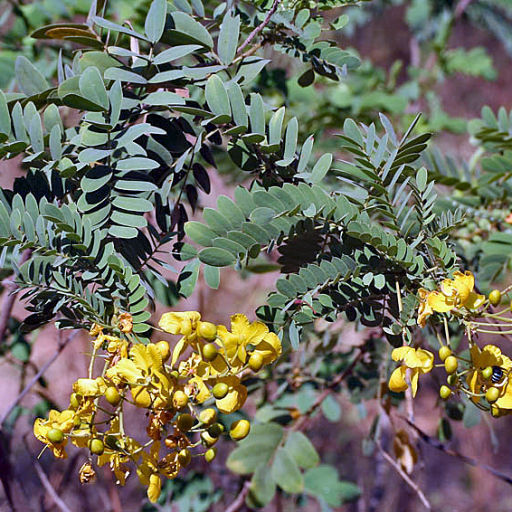
- 🌼 The Flowers: Large, bright yellow blossoms that grow in crowded clusters. They have five petals and prominent dark-tipped stamens, often appearing to glow against the green foliage.
- 🍃 The Foliage: Feathery, pinnate leaves with many small pairs of leaflets. A key identifier is the pair of large, ear-shaped appendages (stipules) at the base of each leaf stalk—which gives the plant its "auriculata" (ear-like) name.
- 🫛 The Pods: Flat, thin, and papery seed pods that turn a dusty brown as they mature. They are oblong and often slightly indented between the seeds.
🏡 In Your Garden
- ☀️ Sun Seeker: This plant is the ultimate sun-lover. It thrives in hot, arid conditions where other plants might wilt, making it an excellent choice for xeriscaping or low-maintenance rock gardens.
- 🌱 Soil Improver: As a member of the legume family, it works silently underground to "fix" nitrogen. This means it actually improves the quality of the soil it lives in, providing a natural boost to neighboring plants.
- ✂️ Pruning Needs: While it is naturally a sprawling shrub, it can become leggy if left alone. A light prune after the flowering season helps maintain a bushy, compact shape and encourages more "gold" in the next cycle.
⚠️ Safety & Toxicity
- ✅ Status: Generally considered safe and non-toxic to touch.
- 🐕 Details: While the flowers are used in traditional teas and skin treatments, the raw seeds and bark contain high levels of tannins. If your pets or curious children ingest large quantities, it may cause mild stomach upset or a laxative effect. Always consult a professional before using any part of the plant medicinally.
✨ Fun Fact
The bark of Senna auriculata was once a vital commodity in the leather industry. It contains such high concentrations of tannins that it was used to tan hides into a soft, light-colored leather that was highly prized in global markets.

Detailed Care Instructions
Growing Senna Auriculata, also known as Tanner's Cassia or Avaram Senna, can be done by following these steps:
- Climate: Determine if Senna Auriculata is suitable for your climate. It is native to southern India and thrives in tropical and subtropical regions. Ensure that the temperature ranges between 68-85°F (20-30°C) throughout the year.
- Soil: Choose well-draining soil with a pH level between 6-7.5. The soil should be fertile and rich in organic matter. Amend the soil with compost or manure if necessary.
- Watering: Senna Auriculata prefers moderate watering. Provide water when the top inch of soil feels dry to the touch. Avoid overwatering, as it can lead to root rot.
- Sunlight: Senna Auriculata requires full sun exposure for at least 6-8 hours a day. Choose a location in your garden or a pot with ample sunlight.
- Propagation: Senna Auriculata can be propagated from seeds or stem cuttings. If using seeds, soak them overnight to enhance germination. Plant the seeds or cuttings in well-prepared soil.
- Planting: Dig a hole that is twice the size of the root ball or seedling. Place the plant in the hole, ensuring the crown is level with the soil surface. Fill the hole with soil and gently firm it around the plant.
- Pruning: Prune Senna Auriculata regularly to maintain its shape and promote better airflow. Remove any dead or diseased branches. Pruning also helps to stimulate new growth and increase flowering.
- Fertilizer: Apply a balanced organic fertilizer during the growing season. Follow the manufacturer's instructions for the correct dosage and frequency. Avoid overfertilization, as it can lead to excessive vegetative growth without flowering.
- Pest and disease control: Senna Auriculata is generally resistant to most pests and diseases. However, keep an eye out for common garden pests such as aphids or caterpillars. Use organic pest control methods or consult a professional if necessary.
- Harvesting: You can harvest the flowers, leaves, and pods of Senna Auriculata for various medicinal uses. Harvest the flowers when they are fully mature and bright yellow. Collect the leaves and pods as desired, ensuring they are dry and free from mold or insect damage.
Remember to always do thorough research and consult local gardening experts for specific information and tips tailored to your area's climate and conditions.
To water this plant, ensure that the soil is dry to the touch before watering. Use a watering can or a hose with a gentle flow to avoid disturbing the soil or damaging the plant. Water only at the base of the plant, avoiding the leaves and stems. Allow the water to soak into the soil, but do not let the soil become waterlogged. Watering should be done on a regular basis, especially during hot and dry weather. Additionally, ensure that the plant is getting adequate sunlight and nutrients to promote healthy growth.
To fertilize this plant, you should use a balanced, slow-release fertilizer with a higher phosphorus content. Apply the fertilizer once a month during the growing season, following the package instructions for the amount to use. Be sure to water the plant thoroughly after fertilizing. Avoid applying fertilizer to dry soil or during times of drought.
The Senna Auriculata plant prefers a well-draining soil that is slightly acidic to neutral in pH (between 6.0-7.5). It requires a soil that is rich in organic matter, such as compost or aged manure, that will provide it with necessary nutrients. The soil should also be able to hold moisture, but not waterlogged or compacted, as this can lead to root rot. It is recommended to add perlite or sand to the soil to improve drainage, and to avoid using heavy clay soils. In general, a loose, loamy soil composition is ideal for this plant.
Senna Auriculata can be propagated through seeds or cuttings. For seed propagation, one should collect the seeds from the mature pods, soak them in water for 24 hours, and then plant the seeds in well-draining soil. It is best to plant them in a location with full sun exposure. The seeds will take around 15-20 days to germinate.
For propagation through cuttings, one should take a cutting that is around 4-6 inches in length from healthy and mature stem. Remove the leaves from the bottom of the cutting, leaving only a few at the top. Dip the cuttings in rooting hormone and plant it in a well-draining soil mix. Water the soil thoroughly and cover the plant with plastic to create a humid environment. Place the cutting in a location with bright but indirect sunlight. The roots will form in around 3-4 weeks. Once the roots have established, the plastic cover can be removed and the plant can be moved to a more permanent location.








