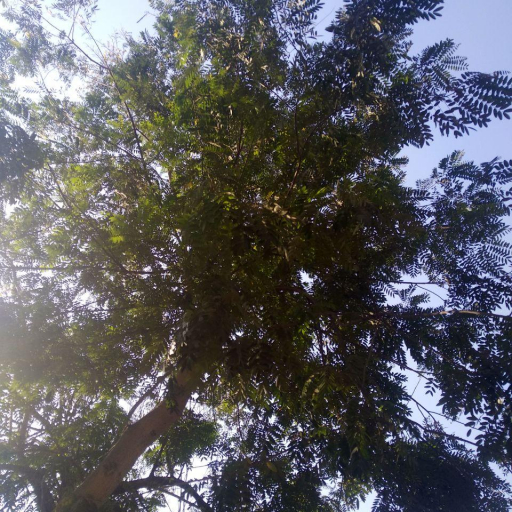
Plant Overview
Often called the Scrambled Egg Bush or Glossy Shower, Senna surattensis is like a permanent ray of sunshine for any landscape. Native to Southeast Asia and Australia, this small tree is beloved for its prolific, buttery-yellow blooms that appear throughout most of the year. In folklore and tropical gardening, it is frequently used as a "cheerful" boundary plant because its bright color is visible from a great distance.
🔍 How to Identify
- 🍳 The Flowers: Look for clusters of bright yellow, cup-shaped flowers with five rounded petals. They often look like they have been lightly "scrambled," giving the plant its most famous nickname.
- 🍃 The Foliage: The leaves are "pinnate," meaning they look like feathers. Each leaf consists of 6 to 10 pairs of smooth, oval-shaped leaflets that have a distinct pale or "glaucous" underside.
- 🫛 The Pods: After blooming, the plant produces flat, thin green pods that eventually turn papery and brown, hanging in clusters like small, dried pea pods.
🏡 In Your Garden
- ☀️ Sun Seeker: This plant is a "solar-powered" grower. While it can survive in partial shade, it needs full, direct sun to produce that iconic carpet of yellow flowers; without enough light, it tends to get "leggy" and thin.
- ✂️ Pruning Needs: Because it grows exceptionally fast, it can become top-heavy or messy if left to its own devices. Regular pruning after a heavy flowering cycle helps maintain a bushy, compact shape and encourages even more blooms.
- 🦋 Pollinator Magnet: It serves as a vital host plant for several species of Sulphur butterflies, meaning you’ll often see bright yellow butterflies dancing around its yellow flowers—a beautiful case of natural camouflage.
⚠️ Safety & Toxicity
- 🤢 Mildly Toxic: Like many members of the Senna family, this plant contains anthraquinones, which act as a potent laxative.
- 🐾 Pet & Child Safety: Ingestion of leaves, seeds, or flowers can cause stomach upset, vomiting, or diarrhea in dogs, cats, and small children. It is best placed where curious pets won't use it as a snack.
✨ Fun Fact
The "Sleeping" Leaves: Senna surattensis exhibits "nyctinasty," a fancy scientific term meaning its leaflets fold up pairs at night to conserve moisture and protect themselves, only to "wake up" and flatten out again as soon as the sun rises!

Detailed Care Instructions
| Humidity | Dry |
| Lighting | Full Sun |
| Difficulty | Medium |
| Hibernation | Cold Period |
| Hardiness Zones | 9 - 12 |
To grow Senna surattensis (also known as Indian senna or Cassia auriculata), you can follow these steps:
- Select a suitable location: Senna surattensis thrives in warm and sunny climates. Choose a spot in your garden or yard that receives full sun for at least 6-8 hours a day.
- Prepare the soil: The plant prefers well-draining soil that is rich in organic matter. Add compost or well-rotted manure to improve the soil fertility and drainage.
- Planting: Sow the seeds directly in the prepared soil or start with young plants from a nursery. If using seeds, soak them in water for a few hours before planting to encourage germination. Space the plants about 2-3 feet apart to allow adequate room for growth.
- Watering: Keep the soil consistently moist, especially during the initial weeks after planting. Once established, Senna surattensis is somewhat drought-tolerant and can survive with less frequent watering. Water deeply whenever the top inch of soil feels dry.
- Fertilization: Apply a balanced organic fertilizer or slow-release granular fertilizer during the growing season to promote healthy growth and flowering. Follow the manufacturer's instructions for the correct dosage and timings.
- Pruning: Prune the plants in late winter or early spring to remove any dead or damaged branches. This will also help maintain the desired shape and encourage new growth.
- Pest and disease control: Senna surattensis is generally resistant to pests and diseases. However, regular inspection of the plant is advisable to identify and address any issues promptly. Treat any infestations or diseases with appropriate organic controls or insecticides if necessary.
- Harvesting: The leaves and flowers of Senna surattensis can be harvested when needed. However, remember not to remove more than one-third of the plant at a time to maintain its overall health.
By following these steps, you should be able to successfully grow Senna surattensis in your garden or yard.

Place in a bright room that is sun drenched almost all day. Or directly in a south-facing window.

Senna Surattensis plants require proper watering to grow well and healthy. To water these plants, it is essential to keep the soil moist but not waterlogged. Overwatering can lead to root rot and ultimately damage or kill the plant.
The watering frequency and amount depend on various factors such as soil type, plant size, humidity, and temperature. It is recommended to water this plant once or twice a week during the growing season and reduce the frequency during winter.
Before watering, always check the top inch of the soil with a finger or soil moisture meter. If the soil feels dry, it is time to water the plant. Use a watering can or a hose with a gentle spray nozzle to avoid disturbing the soil and roots.
When watering, apply enough water to saturate the soil to the bottom of the root zone. Avoid watering the foliage or leaves, as this can lead to fungal diseases. Also, never let the plant stand in water for an extended period as it can cause the roots to suffocate.
In summary, water Senna Surattensis plants when the top inch of the soil feels dry, water thoroughly to saturate the root zone, avoid watering the foliage, and don't let the plant stand in water.
To fertilize the Senna Surattensis plant, mix a balanced fertilizer with equal amounts of nitrogen, phosphorus, and potassium. Apply the fertilizer every two to three months during the growing season, using a half-strength solution. Water the plant well before and after fertilizing to prevent root burn. Be sure to follow the instructions on the fertilizer label carefully.
Senna Surattensis plant prefers well-draining soil that is rich in nutrients and organic matter. It grows best in sandy loam or loamy soils. The pH of the soil should be slightly acidic and within the range of 5.5 to 6.8. The soil should be well-aerated to allow for optimal root growth. The plant is tolerant of drought conditions, but it requires consistent moisture during its growing season for healthy growth. The use of a slow-release fertilizer can be beneficial to provide the necessary nutrients for the plant's optimal growth. Overall, the type of soil used should be conducive to the optimal growth and development of the Senna Surattensis plant.
To propagate this plant, you can take stem cuttings or seedlings. For stem cuttings, choose a healthy stem with at least 3-4 leaves and cut it at a 45-degree angle below a node. Remove the lower leaves and either dip the cut end in rooting hormone or plant it directly in well-draining soil. Keep the soil moist and place the cutting in a bright, warm area, out of direct sunlight. In a few weeks, roots should develop, and you can transplant the cutting to a larger pot or outdoors.
To propagate through seedlings, either collect ripe seed pods from a mature plant or purchase seeds from a reputable source. Fill a seed tray with well-draining soil and sow the seeds, covering them with a thin layer of soil. Water the tray thoroughly and keep it in a warm, bright location. The seeds should germinate in a few weeks, and once the seedlings have a few true leaves, you can transplant them to individual pots or outdoors.








