Plant Overview
Often called "Black Beniseed" or "Wild Sesame," Sesamum radiatum is a resilient powerhouse native to the tropical regions of West and Central Africa. While it is a close cousin to the common sesame we find on burger buns, this variety is a dual-purpose superstar, prized as much for its nutritious leafy greens as for its oil-rich seeds. It is a plant of survival, celebrated in folklore for its ability to provide abundance even in poor, sandy soils where other crops might fail.
🔍 How to Identify
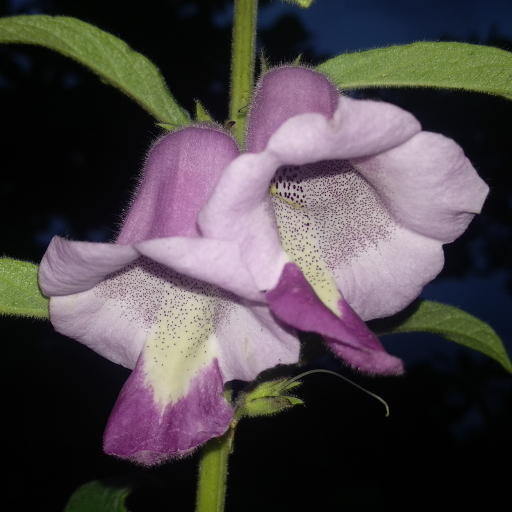
- 🌸 Foxglove-like Blooms: The flowers are tubular and bell-shaped, hanging elegantly in shades of pink, mauve, or creamy white with deep purple markings inside.
- 🌿 Velvety Foliage: The leaves are dark green, lance-shaped, and covered in fine, soft hairs that give the plant a distinct matte appearance.
- 👃 Pungent Aroma: When bruised or crushed, the leaves release a strong, earthy scent that is a key identifying feature for foragers.
🏡 In Your Garden
- ☀️ The Heat Seeker: This plant is a true "sun-worshiper" and requires high temperatures to thrive. It is highly drought-tolerant once established, making it perfect for "set-it-and-forget-it" gardeners in warmer climates.
- 🌱 Taproot Sensitivity: It develops a long, sturdy taproot very quickly. Because of this, it hates being moved; transplanting often leads to "sudden wilt," so it is best to sow seeds directly into deep, well-draining soil.
- 🍲 Culinary Utility: In a garden setting, it serves as a "cut-and-come-again" vegetable. Regularly harvesting the top leaves encourages the plant to bush out rather than becoming tall and "leggy."
⚠️ Safety & Toxicity
- ✅ Generally Safe: Both the seeds and the leaves are widely consumed by humans and are a staple in many traditional African soups.
- 🐾 Pet Context: While not considered toxic, the high oil content and fiber in the plant can cause mild stomach upset or diarrhea in cats and dogs if they munch on it excessively.
- 🧤 Skin Sensitivity: The fine hairs on the stems can occasionally cause very mild itching for people with sensitive skin during harvest.
✨ Fun Fact
In many West African cultures, Sesamum radiatum is known as a "miracle leaf" in traditional medicine. It is frequently used in folk remedies to treat respiratory ailments and is even used in traditional ceremonies to symbolize fertility and protection!

Detailed Care Instructions
To grow Sesamum Radiatum plant, follow these steps:
- Choose a suitable location: Sesamum Radiatum requires full sun to partial shade. Select a spot in your garden that receives at least 6-8 hours of direct sunlight daily.
- Prepare the soil: The plant prefers well-draining soil with a pH between 5.5-7.5. Improve the soil's fertility by adding well-rotted organic matter, such as compost or aged manure, and mix it thoroughly.
- Sow the seeds: Start by soaking the Sesamum Radiatum seeds overnight to facilitate germination. After soaking, plant the seeds directly into the soil, spacing them about 2-3 inches apart, and cover them with a thin layer of soil. Alternatively, you can start them indoors in pots before transplanting outside.
- Watering: Keep the soil consistently moist but not waterlogged during the germination period. Once the plant becomes established, water it deeply but infrequently, allowing the top inch of soil to dry out between waterings.
- Fertilization: Apply a balanced fertilizer, such as a 10-10-10, once every 4-6 weeks during the growing season to promote healthy growth.
- Weed and pest control: Regularly remove weeds around the plants to prevent competition for nutrients and water. Monitor for pests such as aphids, spider mites, and caterpillars, and use appropriate organic methods to control them if necessary.
- Harvesting: Sesamum Radiatum plants produce pods that mature and turn brown when ready for harvest. Monitor the plants closely and harvest the mature pods before they split open. Allow them to dry in a well-ventilated area for a few weeks before removing the seeds.
Remember to consult local gardening resources or experts for any specific cultivation advice based on your region's climate and conditions.
Sesamum radiatum is a plant that requires regular and careful watering to ensure its healthy growth and development. Follow these guidelines for watering the plant effectively:
- Observe the soil: Check the soil moisture level before watering the plant. Insert your finger about an inch deep into the soil near the plant's roots and assess the moisture content. If the topsoil feels dry to the touch, it indicates that the plant requires watering.
- Watering frequency: Sesamum radiatum prefers consistently moist soil but does not tolerate waterlogged conditions. Water the plant deeply once or twice a week, depending on the environmental conditions. In hot and dry weather, it may need more frequent watering.
- Watering technique: To provide efficient watering, aim to moisten the soil evenly and thoroughly. Use a watering can or a gentle hose attachment to avoid causing soil erosion or disturbing the plant's delicate roots. Water at the base of the plant, focusing on the root zone rather than the foliage.
- Water quantity: Pour sufficient water to penetrate the root zone. Aim to moisten the soil several inches deep, ensuring the water reaches the plant's entire root system. Avoid surface watering, as it encourages shallow root growth, making the plant more vulnerable to drought stress.
- Mulching: Apply a layer of organic mulch, such as straw or wood chips, around the plant to help retain soil moisture. Mulching also suppresses weeds, moderates soil temperature, and prevents evaporation, reducing the frequency of watering required.
- Adjust watering according to weather conditions: Monitor weather patterns and adjust your watering schedule accordingly. During periods of heavy rainfall, reduce or pause irrigation to prevent waterlogging. In contrast, during dry spells or hotter months, increase watering frequency or supplement with additional water as needed.
- Drainage considerations: Sesamum radiatum thrives in well-draining soil to avoid waterlogged conditions. If the soil is compacted or poorly draining, consider improving drainage by adding organic matter or creating raised beds to prevent root rot and diseases caused by excessive moisture.
Remember, while providing adequate water is crucial for plant health, it is equally significant to avoid overwatering, as it can lead to root rot and other related problems. Regularly monitor the plant's overall health and adjust your watering practices accordingly.
To fertilize Sesamum Radiatum, use a balanced slow-release fertilizer with an NPK ratio of 10-10-10 or similar. Follow these steps for proper fertilization:
- Choose a fertilizer that is specifically formulated for flowering plants or vegetables, as Sesamum Radiatum falls under these categories.
- Read and follow the instructions on the fertilizer packaging carefully for the recommended dosage and application method.
- Generally, it is advisable to apply the fertilizer when planting the Sesamum Radiatum seeds or when transplanting seedlings into the soil.
- Prepare the soil by loosening it gently with a garden fork or hoe, ensuring it is free from weeds and debris.
- Sprinkle the recommended amount of fertilizer evenly around the base of the Sesamum Radiatum plant, ensuring it doesn't touch the stem or foliage.
- Lightly incorporate the fertilizer into the top layer of soil using a hand trowel or gentle raking. Be careful not to damage the plant's roots.
- Water thoroughly after fertilizing to help dissolve and distribute the nutrients into the soil. Ensure the plant receives enough moisture but avoid overwatering.
- Depending on the specific fertilizer's instructions, repeat the application every four to six weeks during the growing season. Adjust the frequency and dosage according to the plant's health and response.
Remember, moderation is key, as excessive fertilizer application can lead to nitrogen burn or nutrient imbalance, harming the Sesamum Radiatum plant's overall growth and development. Always follow the manufacturer's instructions and monitor the plant's health to determine any necessary adjustments in fertilization routine.
Sesamum radiatum plant usually thrives well in a specific type of soil that is rich in nutrients and has certain characteristics. It prefers a well-draining soil that allows excess water to pass through easily, preventing waterlogging.
The ideal soil composition for Sesamum radiatum consists of a mixture of organic matter and loam. Organic matter, such as compost or well-rotted manure, helps improve the structure and fertility of the soil. Loam, which is a balanced combination of sand, silt, and clay particles, provides good aeration, moisture retention, and nutrient availability for the plant.
The soil pH for Sesamum radiatum should ideally be slightly acidic to slightly alkaline, ranging from 6.0 to 7.5. This pH range is generally considered optimal for nutrient uptake and overall plant growth.
Furthermore, the soil should be loose and crumbly, allowing roots to penetrate easily and enabling efficient nutrient absorption. Compact or heavy soils hinder root development, which can negatively impact the growth and health of Sesamum radiatum.
To ensure proper soil fertility, it is recommended to enrich the soil prior to planting by incorporating organic matter. This can be done by adding compost, well-rotted manure, or other organic amendments to improve the soil's nutrient content and overall quality.
Regular soil testing is also advisable to assess nutrient levels and make necessary amendments based on the specific requirements of the plant. This step helps maintain optimal soil conditions and supports healthy growth for Sesamum radiatum.
To propagate Sesamum Radiatum plants, you can follow these steps:
- Selecting plant materials: Choose a healthy and mature Sesamum Radiatum plant from which you can take cuttings for propagation.
- Preparing the planting medium: Prepare a well-draining soil mix by combining equal parts of sandy soil, perlite, and organic compost. This will provide the necessary nutrients and aeration for the cuttings to root.
- Taking cuttings: Use clean, sharp scissors or pruning shears to take stem cuttings from the parent plant. Cut healthy, non-flowering stems that are around 4-6 inches long. Ensure that each cutting has at least three sets of leaves.
- Preparing cuttings for planting: Remove the lower set of leaves from the cuttings, leaving only the top two sets intact. This helps in reducing moisture loss and preventing rotting during the rooting process.
- Applying rooting hormone (optional): If desired, you can dip the cut ends of the stem cuttings into a rooting hormone powder or gel. This helps to stimulate root growth and improves the success rate of propagation.
- Planting the cuttings: Make small holes in the planting medium using a pencil or your finger, and gently insert the cuttings into the holes. Ensure that at least one set of leaves is above the soil surface, while the rest of the stem is buried in the soil.
- Providing optimal growing conditions: Place the cuttings in a warm and bright location, but away from direct sunlight. Maintain a temperature of around 70-80°F (21-27°C) and ensure that the seedlings receive adequate moisture (without oversaturation) to encourage root development.
- Maintaining humidity: To create a humid environment that aids in root formation, cover the cuttings with a clear plastic bag or use a propagation dome. This helps to retain moisture around the stems and provides a microclimate ideal for root growth.
- Watering and care: Mist the cuttings regularly to keep the surrounding atmosphere humid. Monitor the soil moisture level and water when necessary, ensuring that it doesn't become waterlogged. Avoid overwatering, as it can lead to root rot.
- Root development and transplanting: After 4-6 weeks, check for root development by gently tugging on the cuttings. If you feel resistance, it indicates that roots have formed. At this stage, you can slowly acclimate the young plants to outdoor conditions and transplant them into well-prepared garden beds or containers.
Note: Sesamum Radiatum plants can also be propagated through seeds, which can be sown directly into the garden or started indoors in seed trays.