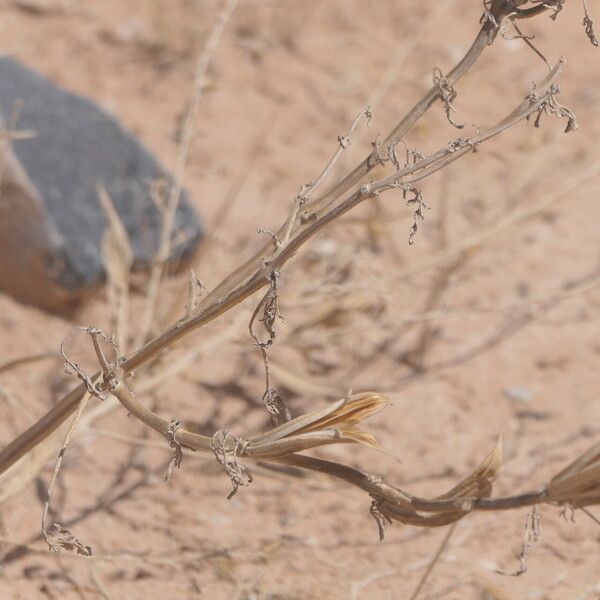
Plant Overview
Often called the Wild Sesame, Sesamum triphyllum is the elegant, rugged cousin of the sesame seeds found in your kitchen pantry. Native to the arid landscapes of Southern Africa, this hardy annual transforms dry scrublands into a sea of mauve and pink during the rainy season. It is a master of survival, thriving where many other delicate flowers would wither under the sun.
🔍 How to Identify
- 🍃 Lobed Foliage: True to its name (triphyllum meaning "three leaves"), the lower leaves are often deeply divided into three distinct segments, while the upper leaves remain narrow and simple.
- 🌸 Foxglove-like Blooms: It sports striking, trumpet-shaped flowers that range from pale pink to deep purple. These blooms often feature darker "nectar guides" inside the throat to direct lucky pollinators.
- 📏 Erect Growth: It grows as a slim, upright herb that can reach heights of up to 1.5 meters, standing like a colorful sentry against the backdrop of wild grasses.
🏡 In Your Garden
- 🏜️ Heat Specialist: This plant is an absolute sun-worshipper. It is incredibly drought-tolerant once established, making it a perfect candidate for xeriscaping or rock gardens where water is scarce.
- 🦋 Biodiversity Booster: The deep tubular flowers are a favorite for long-tongued bees and butterflies. Planting these helps support local pollinator populations during the peak of summer.
- 🌱 Sandy Soil Lover: In its natural habitat, it thrives in sandy, well-draining soils. If your garden has heavy clay, you’ll need to amend it significantly, as this plant hates having "wet feet."
⚠️ Safety & Toxicity
- ✅ Generally Safe: Sesamum triphyllum is not known to be toxic to humans, dogs, or cats. In fact, it is a close relative of the edible sesame (Sesamum indicum).
- 🥣 Traditional Use: While the seeds are used traditionally in Southern Africa to supplement diets, always exercise caution and ensure 100% identification before ever tasting wild-foraged seeds.
✨ Fun Fact
✨ The "Open Sesame" Connection: The famous phrase from "Ali Baba and the Forty Thieves" refers to the way sesame seed pods—including those of this wild variety—burst open with a sudden "pop" the moment they reach full maturity, scattering their treasure of seeds across the ground!

Detailed Care Instructions
To grow Sesamum Triphyllum, also known as sesame plant, follow these steps:
- Climate: Sesame plants thrive in warm climates with plenty of sunlight. They prefer temperatures between 75-85°F (24-29°C) and grow best in areas with a long growing season.
- Soil: Sesame plants prefer well-draining, sandy loam soil with a pH between 5.5-6.5. It is important to ensure the soil is rich in organic matter and nutrients.
- Planting: Plant sesame seeds directly in the soil after the last frost date in your area. Sow the seeds 1/2 inch deep and 12-18 inches apart. Water the seeds well after planting.
- Watering: Water the plants regularly, keeping the soil consistently moist but not waterlogged. Ensure that the plants receive at least 1 inch of water per week, either through rainfall or irrigation.
- Fertilization: Sesame plants are heavy feeders and require regular fertilization. Apply a balanced fertilizer every 4-6 weeks during the growing season.
- Mulching: Mulch around the plants to help retain soil moisture, suppress weeds, and regulate soil temperature. Use organic mulch like straw or compost.
- Pruning: Prune dead or damaged branches to promote healthy growth and improve air circulation around the plant.
- Harvesting: Sesame plants are ready for harvest when the pods turn brown and start to crack open. Cut the plants at the base and hang them upside down in a warm, dry place to allow the seeds to dry completely.
By following these steps, you should be able to successfully grow Sesamum Triphyllum plants in your garden.
To water Sesamum Triphyllum plant, you should first check the soil moisture level by inserting your finger into the soil up to the first knuckle. If the soil feels dry, it is time to water the plant. Water the plant at the base, near the roots, rather than overhead to avoid waterlogging the foliage. Use room temperature water and water until it starts to seep out of the drainage holes at the bottom of the pot. Allow the soil to dry out slightly between waterings to prevent root rot. Adjust the watering frequency based on the plant's individual needs, taking into account factors such as temperature, humidity, and sunlight exposure.
To fertilize Sesamum Triphyllum plant, apply a balanced fertilizer with a nitrogen-phosphorus-potassium ratio of 10-10-10. Mix the fertilizer with water according to the manufacturer's instructions and apply it to the soil around the base of the plant. Avoid getting fertilizer on the leaves as it can burn them. Fertilize the plant every 3-4 weeks during the growing season, generally spring and summer. Make sure to water the plant well after fertilizing to help the nutrients penetrate the soil and reach the plant roots.
Sesamum triphyllum plants thrive in well-draining soil with a slightly acidic to neutral pH level. A suitable soil for these plants is sandy loam or loamy soil mixed with organic matter such as compost or peat moss to improve its fertility and moisture retention capabilities.
It is important to avoid heavy clay soil, as it can lead to poor drainage and waterlogged conditions, which can be detrimental to the plant's growth. Additionally, ensure that the soil is well-aerated to promote proper root development and overall plant health.
Regularly check the moisture levels in the soil and water the plant as needed, keeping it consistently moist but not waterlogged. Avoid overwatering, as this can lead to root rot and other issues.
Overall, selecting a well-draining, nutrient-rich soil mix with a slightly acidic to neutral pH will provide an ideal growing environment for Sesamum triphyllum plants.
Sesamum triphyllum can be easily propagated through seed collection and sowing. To propagate this plant, first, allow the seed pods to fully mature and dry on the plant. Once the pods are dry, collect the seeds and store them in a cool, dry place until you are ready to sow them.
To sow the seeds, prepare a well-draining seed-starting mix in a small container or seed tray. Spread the seeds evenly over the surface of the soil and lightly cover them with a thin layer of soil. Keep the soil consistently moist but not waterlogged until the seeds germinate.
Place the container in a warm, sunny location to encourage germination. Once the seeds have sprouted, carefully transplant the seedlings into individual pots or directly into the garden, spacing them at least 6-12 inches apart.
Provide regular watering and fertilization to help the seedlings establish healthy root systems. Within a few weeks, the seedlings should begin to grow into mature plants, ready to produce flowers and seeds of their own.







