Plant Overview
Known as the Knotroot Bristlegrass, this resilient survivor is often called the "Perennial Foxtail" for its soft, fuzzy flower heads that look like tiny tails waving in the breeze. Unlike its annual cousins that disappear after one season, this plant hides a secret "knotty" strength underground, allowing it to return year after year even in the toughest conditions. It is a common sight in meadows, roadsides, and even pampered lawns where it stubbornly holds its ground.
🔍 How to Identify
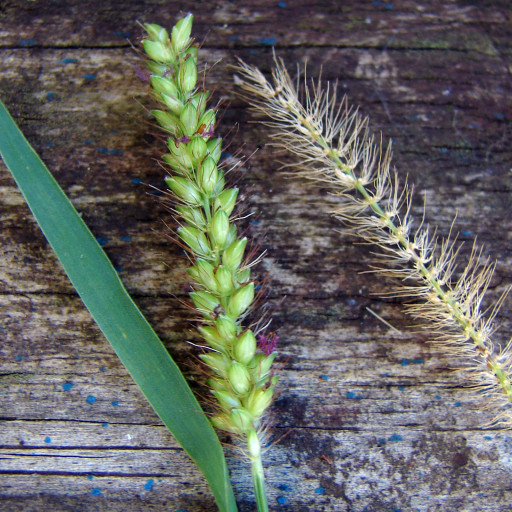
- 🌾 The Seed Head: It features dense, cylindrical spikes (usually 1 to 3 inches long) covered in yellowish, orange, or purple bristles that give it a shimmering, fuzzy appearance.
- 🌿 The Foliage: The leaf blades are narrow, flat, and hairless, but they feel slightly rough to the touch when you run your finger along the edges.
- 🪵 The "Knot" Root: If you dig it up, you’ll find short, thick, woody rhizomes (underground stems) that look like tangled knots, which distinguish it from annual foxtail varieties.
🏡 In Your Garden
- 🌱 A Persistent Resident: This plant loves "disturbed" soil, meaning it often pops up after construction or heavy weeding. Because it spreads via both wind-blown seeds and underground rhizomes, it can be quite difficult to remove once it establishes its "knots."
- 💧 Adaptable Hydration: While it naturally gravitates toward moist ditches and marshes, its stored energy in the root system allows it to survive long periods of drought that would kill off other grasses.
- ✂️ Mowing Resistance: Simply mowing over Knotroot Bristlegrass won't kill it; in fact, the plant often adapts by producing shorter flower spikes closer to the ground to ensure its seeds still spread.
⚠️ Safety & Toxicity
- 🐾 Physical Irritant: While the plant is not chemically toxic to pets or humans, the "bristles" (awns) on the seed heads are designed to stick to things. They can become lodged in a dog's fur, ears, or between paw pads, leading to irritation or localized infections.
- 🌾 Hay Quality: For those with livestock, this grass is generally safe to graze, but if it dominates hay, the stiff bristles can occasionally cause "foxtail sores" in the mouths of horses or cattle.
✨ Fun Fact
The seeds of the Knotroot Bristlegrass are a favorite high-energy snack for various songbirds, including sparrows and finches, who have mastered the art of picking the tiny grains out from between the protective bristles.

Detailed Care Instructions
To grow Setaria Parviflora (also known as bristlegrass or pigeon grass), follow these steps:
- Choose a suitable planting location: Setaria Parviflora prefers full sun but can tolerate partial shade. It can grow in various soil types but prefers well-draining, fertile soil.
- Prepare the soil: Clear the planting area of any weeds or debris. Loosen the soil using a garden fork or tiller to improve drainage and create a loose, crumbly texture.
- Sowing seeds: Setaria Parviflora can be propagated from seeds. Sow the seeds directly into the prepared soil, scattering them evenly across the planting area. Lightly rake the soil surface to cover the seeds with a thin layer of soil.
- Watering: After sowing the seeds, water the area thoroughly to ensure the soil is moist. Keep the soil consistently moist during the germination period, which usually takes around 7-14 days. Be careful not to overwater, as it can lead to rotting.
- Thin out the seedlings: After the seedlings have emerged and grown a few inches tall, they will need to be thinned out to allow proper growth. Space the plants about 6-12 inches apart, removing any weaker seedlings.
- Mulching and weed control: Apply a layer of organic mulch, such as straw or wood chips, around the plants to help retain moisture, suppress weeds, and regulate soil temperature.
- Watering and maintenance: Setaria Parviflora is a drought-tolerant plant, but regular watering is needed during dry spells to keep the soil consistently moist. Avoid overwatering, as excessive moisture can lead to fungal diseases. Remove any weeds that may compete with the plant for nutrients and water.
- Fertilization: Setaria Parviflora generally does not require excessive fertilization. However, you can apply a balanced slow-release fertilizer during the growing season to provide essential nutrients. Follow the manufacturer's instructions for application rates.
- Harvesting: If you are growing Setaria Parviflora for ornamental purposes, you can allow the plants to flower and produce seeds for a visually appealing display. If you prefer to prevent self-seeding, harvest the seed heads before they fully ripen.
- Overwintering: Setaria Parviflora is a perennial grass. In regions with mild winters, it will die back and regrow the following spring. In colder regions, it may need protection during winter, such as a layer of mulch or moving potted plants indoors.
Remember that Setaria Parviflora can sometimes be considered an invasive species, so make sure it is suitable for your area and monitor its growth to prevent it from spreading uncontrollably.

Place in a bright room that is sun drenched almost all day. Or directly in a south-facing window.

The best way to water this plant is to give it a good soaking once a week, allowing the water to penetrate deep into the soil. Avoid watering too frequently to prevent drowning the plant or causing root rot. Keep the soil consistently moist but not waterlogged. It is also beneficial to mulch around the base of the plant to help retain moisture and regulate the temperature of the soil. During periods of extreme heat or drought, it may be necessary to provide more frequent watering or to give the plant some shade to protect it from the sun.
To fertilize Setaria Parviflora plant, follow these instructions:
- Choose a balanced, water-soluble fertilizer with a NPK ratio of 10-10-10 or 20-20-20. This ensures that the plant receives equal amounts of nitrogen (N), phosphorus (P), and potassium (K).
- Dilute the fertilizer according to the manufacturer's instructions. Typically, this involves mixing a specific amount of fertilizer with water.
- Apply the diluted fertilizer to the soil around the base of the Setaria Parviflora plant. Avoid getting the fertilizer on the leaves as it may cause damage or burn the plant.
- Water the plant thoroughly after fertilizing. This helps to disperse the nutrients into the root zone and prevents the concentration of fertilizer salts around the roots.
- Repeat the fertilization process every four to six weeks during the growing season, typically from spring to early fall. Avoid fertilizing during the dormant period or winter months.
- Monitor the plant's response to the fertilizer. If you notice any signs of nutrient deficiencies or excess, adjust the fertilization frequency or amount accordingly.
Remember to always read and follow the instructions provided with your specific fertilizer brand, as different products may have slightly different application rates and schedules.
Setaria Parviflora requires a well-draining soil that is rich in organic matter. It should have a pH range of 6.0-7.0 and should be kept moist but not waterlogged. The ideal soil type for this plant is a loamy soil with high fertility levels. Additionally, it is important to ensure that the soil is not contaminated with pesticides or other chemicals as this can negatively impact the plant's growth and health. Finally, it is recommended to add a layer of mulch to the soil around the plant to help retain moisture and regulate soil temperature.
To propagate Setaria parviflora, also known as bristlegrass or yellow bristlegrass, follow these steps:
- Choose a healthy parent plant: Select a Setaria parviflora plant that is vigorous and disease-free to ensure successful propagation.
- Identify suitable plant parts: Look for mature and non-flowering stems or rhizomes to propagate the plant. These parts will have the best chances of rooting and forming new plants.
- Prepare the propagating medium: Use a well-draining soil mix or a sterile seed-starting medium to prevent diseases and promote root development. Fill small pots or seed trays with the chosen medium.
- Take stem cuttings: Using clean and sharp gardening shears, cut a 4-6 inch (10-15 cm) section of stem from the parent plant just below a node. Nodes are the points on the stem where leaves and new roots emerge.
- Trim the cuttings: Remove the lower leaves from the stem cutting, leaving only a few pairs of upper leaves. This reduces moisture loss and helps direct energy towards root development.
- Apply rooting hormone (optional): To enhance root formation, you may choose to dip the cut end of the stem in a rooting hormone powder or gel. This can improve the chances of successful propagation.
- Plant the cuttings: Make a hole in the propagating medium using a pencil or finger and gently insert the stem cutting into the hole, making sure the bottom nodes are submerged. Firmly press the soil around the cutting to ensure good contact.
- Provide proper care: Place the potted cuttings in a warm spot with bright, indirect light. Maintain a consistently moist but not waterlogged soil to promote root growth. Mist the foliage occasionally to increase humidity around the plants.
- Monitor and maintain: Regularly check the propagation medium's moisture level, ensuring it never dries out completely. Remove any damaged or decaying cuttings to prevent the spread of disease. Provide optimal conditions until the cuttings have rooted and are ready for transplanting.
- Transplant the rooted plants: Once the cuttings have developed a healthy root system, usually after several weeks, carefully lift them from the propagating pots and transplant them into individual pots or directly into the garden.
Remember to use caution while handling Setaria parviflora as it can become an invasive weed in some regions.








