Plant Overview
Known as the "Makai" tree in its native Northeast India, Shorea assamica is a majestic sentinel of the tropical rainforest. This towering hardwood is a member of the famous Dipterocarp family, often forming the very ceiling of the jungle canopy. While it is a rare sight in home gardens due to its immense size, it is a legendary figure in Assamese folklore and a vital component of the region’s rich biodiversity.
🔍 How to Identify
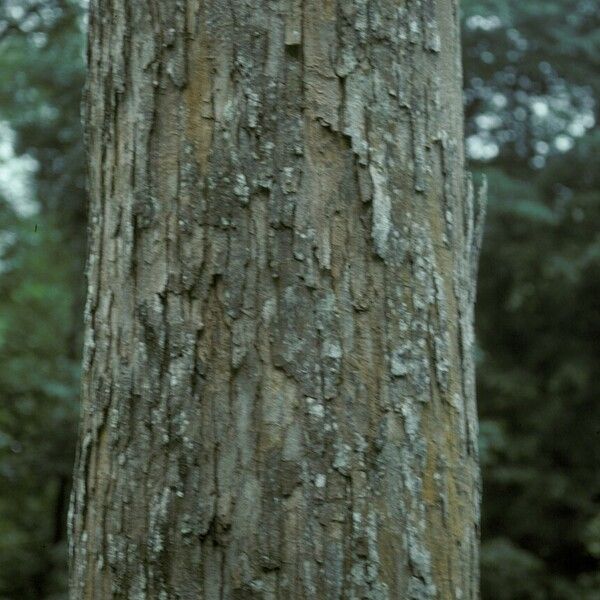
- 🌳 The Trunk: It grows exceptionally straight and tall, often reaching heights of 50 meters, with a smooth, greyish-brown bark that flakes away in thin strips as the tree matures.
- 🍃 The Leaves: Glossy, leathery, and elliptic in shape, the leaves feature prominent parallel veins that look like a delicate ribcage when held up to the light.
- 🚁 The Fruit: It produces unique "winged" seeds. When they fall, these three-winged appendages cause the seed to spin like a tiny helicopter, allowing the wind to carry them far from the parent tree.
🏡 Growing This Giant
- 🏔️ Deep Roots: Because this species develops a powerful, deep taproot early in life, it is notoriously difficult to transplant. It demands deep, loamy soil where its roots can anchor firmly against tropical storms.
- 💧 Monsoon Lover: This tree thrives on the "feast or famine" cycle of the monsoon. It requires high humidity and heavy rainfall during its growing season but needs exceptionally well-draining soil to prevent root rot during the damp months.
- ☁️ Microclimate Needs: In its youth, the Makai tree prefers the dappled shade of larger trees, but as it matures, it "races" toward the sky to claim its spot in full, direct sunlight.
⚠️ Safety & Toxicity
- ✅ Status: Non-toxic and generally safe.
- 🐾 Details: There are no known toxic effects on cats, dogs, or horses. However, because of its height and the weight of its primary branches, the main safety concern is "limb drop" during high winds in older, unmaintained specimens.
✨ Fun Fact
Shorea assamica is a "Critically Endangered" species in many parts of its range. It is often called a "climax species," meaning it only appears in stable, ancient forests that have remained undisturbed for centuries. If you see a Makai tree, you are likely standing in a very old and healthy ecosystem!

Detailed Care Instructions








