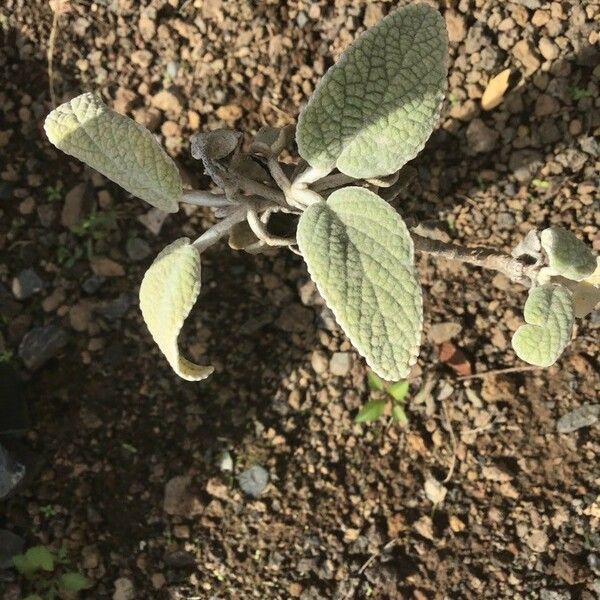
Plant Overview
Known affectionately as "Malotira" or "Cretan Mountain Tea," this silvery-grey herb is a legendary staple of the Mediterranean landscape. Found wild on the rocky slopes of Crete, it has been harvested for millennia, not just for its earthy flavor but for its reputation as a "cure-all" for ancient warriors. It carries the scent of the Greek sun and high-altitude winds, making it a favorite for those wanting a piece of the Aegean in their tea cup.
🔍 How to Identify
- 🌿 The Foliage: The leaves are lance-shaped and covered in a dense, velvety layer of white-grey fuzz, which helps the plant retain moisture in the scorching sun.
- 🌼 The Flowers: Small, pale yellow blossoms emerge in clusters, tucked neatly inside pale green, papery bracts that look like little scales.
- 📏 The Habit: It grows as a low, woody-based shrub, usually reaching about 30–60 cm in height, forming a soft, cushion-like mound.
🏡 In Your Garden
- ☀️ Sun Seeker: This plant is a true sun-worshipper. If it doesn't get enough direct light, its beautiful silver leaves will turn a dull green, and the stems will become "leggy" as they reach for the sky.
- 🪨 The "Lazy" Gardener's Friend: It thrives in poor, rocky, or sandy soil. The biggest mistake you can make is over-pampering it with rich fertilizer or too much water; it needs sharp drainage to prevent the roots from rotting.
⚠️ Safety & Toxicity
- 🍵 Status: Generally considered safe and widely consumed as a herbal tea.
- 🐾 Details: It is non-toxic to humans and most pets. However, like any concentrated herb, pregnant or nursing individuals should consult a professional before consuming it in large quantities, and those with specific allergies to the Lamiaceae (mint) family should exercise caution.
✨ Fun Fact
The name Sideritis comes from the Greek word "Sideros," meaning iron. In ancient times, the plant was believed to be a miraculous remedy for healing wounds caused by iron weapons (swords and spearheads) during battle!

Detailed Care Instructions
To grow Sideritis Cretica, also known as Cretan mountain tea, you can follow these steps:
- Purchase seeds or plant material: Obtain Sideritis Cretica seeds from a reputable source or find young plants at a local nursery.
- Prepare the soil: Sideritis Cretica prefers well-draining soil, so ensure the soil is loose, rich in organic matter, and has good drainage. If needed, mix in compost or sand to improve the soil texture.
- Choose a planting location: Select a spot that receives full sun to partial shade. Sideritis Cretica can tolerate a range of temperatures but prefers a Mediterranean-type climate.
- Sow the seeds or plant the young plants: If using seeds, sow them directly into the prepared soil, keeping a spacing of 8-10 inches between each plant. Cover the seeds lightly with soil. If using young plants, dig a hole slightly larger than the root ball, place the plant, and backfill with soil.
- Watering and maintenance: Water the plants regularly during the growing season, especially during dry periods. However, ensure the soil does not become waterlogged. Once established, Sideritis Cretica is typically drought-tolerant. Remove any weeds around the plants to reduce competition.
- Pruning: Prune the plants in early spring to encourage bushier growth and remove any dead or damaged growth.
- Harvesting: Sideritis Cretica leaves can be harvested once the plants reach maturity, which usually takes around two years. Cut the leaves just above the leaf node to encourage new growth. Dry the harvested leaves in a well-ventilated area away from direct sunlight.
- Enjoying Cretan mountain tea: To make tea, steep about one teaspoon of dried leaves in hot water for 5-10 minutes. Adjust the steeping time to your preference. The tea has a pleasant herbal flavor and is often enjoyed for its medicinal properties.
Remember to check the specific care instructions for Sideritis Cretica in your region, as some variations may exist depending on your climate and growing conditions.
To ensure optimal watering conditions for Sideritis Cretica, it is important to follow a few key guidelines:
- Soil Moisture: Sideritis Cretica prefers a well-draining soil that should be kept moderately moist. The goal is to avoid waterlogged conditions while ensuring the soil doesn't completely dry out.
- Watering Schedule: During the plant's active growing season, which is typically spring through summer, watering should be more frequent. Aim to water when the top inch (2.5 cm) of the soil feels slightly dry to the touch.
- Watering Method: To prevent waterlogging, it is recommended to water Sideritis Cretica from the base rather than sprinkling water on the leaves. This can be achieved by placing the pot in a saucer or tray filled with water. The roots will absorb water as needed.
- Avoid Overwatering: Overwatering can lead to root rot and other issues. Always make sure the excess water can drain away from the pot, and do not let the plant sit in standing water for prolonged periods.
- Adjusting in Winter: During the plant's dormant period in winter, decrease the watering frequency. Allow the soil to dry out slightly between waterings, but be careful not to let it completely dry out.
- Environmental Factors: Factors such as temperature, humidity, and sunlight can influence the plant's watering needs. Carefully observe the plant and adjust the watering schedule accordingly. Warmer environments may require more frequent watering, while cooler conditions may necessitate less watering.
Remember, proper watering is crucial for the health and survival of Sideritis Cretica. Observation and regular monitoring of the soil moisture and plant's overall condition will help you determine the ideal watering routine for your particular plant.
To fertilize Sideritis Cretica, also known as the plant in question, follow these instructions:
- Choose a balanced, water-soluble fertilizer that is suitable for plants in the same family as the mentioned plant.
- Dilute the fertilizer according to the instructions on the package.
- Water the plant thoroughly before applying the fertilizer.
- Apply the diluted fertilizer to the soil around the base of the plant, avoiding direct contact with the leaves or stems.
- Ensure that the fertilizer is evenly distributed around the plant.
- Water the plant again after fertilizing to help the nutrients sink into the soil.
- Repeat the fertilization process regularly, following the recommended frequency specified on the fertilizer package or adjusting it according to the plant's needs.
- Monitor the plant for any signs of over-fertilization, such as yellowing of leaves or wilting. If these symptoms occur, immediately stop fertilizing and adjust the amount or frequency of fertilization accordingly.
- It is crucial to follow the specific requirements of Sideritis Cretica plant and adjust the fertilization technique as needed to ensure optimal growth and health.
When considering the ideal soil for Sideritis Cretica plant, it is important to focus on creating an environment that promotes proper growth and sustenance. This plant thrives in a well-draining soil that offers good aeration to the roots. Therefore, a lightweight and loose soil mix is preferred.
The soil should have a neutral to slightly acidic pH level, ranging from 6.0 to 7.0, to facilitate nutrient uptake and prevent pH-induced deficiencies. It should have a balanced texture, ensuring that it retains enough moisture while allowing excess water to drain away adequately.
To achieve a suitable soil composition, a combination of organic matter and inorganic components is typically recommended. Incorporating organic matter, such as compost or well-rotted manure, enhances the soil's fertility, moisture retention, and overall structure.
In terms of inorganic components, adding perlite or pumice helps improve the soil's drainage and aeration, reducing the risk of waterlogging. It also prevents compaction, maintaining a loose texture for the roots to grow freely.
Additionally, incorporating a mineral-rich soil amendment, like vermiculite or worm castings, can provide essential nutrients that contribute to the plant's overall health. This helps sustain its growth and flowering potential.
Lastly, it is essential to ensure that the soil is free from any contaminants or pests that may harm the Sideritis Cretica plant. Regularly inspecting the soil and practicing proper plant hygiene will help maintain a healthy environment for the plant's growth.
Overall, by providing a well-draining, pH-neutral to slightly acidic, lightweight, and nutrient-rich soil mix, one can create an optimal soil environment conducive to the growth and development of the Sideritis Cretica plant.
Sideritis Cretica is a herbaceous perennial plant that belongs to the mint family, Lamiaceae. It is native to the Mediterranean region, particularly Crete, and is well-known for its medicinal properties and culinary uses. If you are looking to propagate Sideritis Cretica, you can follow these steps:
- Selecting a suitable method: There are several ways to propagate Sideritis Cretica, including by seeds, cuttings, or division. Each method has its own advantages and requirements, so choose the one that suits you best.
- Seed propagation: Collect mature seeds from the plant when they are ripe. Sow the seeds in a well-draining potting mix, covering them lightly with soil. Keep the soil consistently moist but not waterlogged. Place the pot in a warm and bright location, preferably with indirect sunlight. Germination may take several weeks, so be patient. Once the seedlings are large enough, you can transplant them into individual pots or directly into the garden.
- Stem cutting propagation: Select a healthy stem from the Sideritis Cretica plant that is approximately 4-6 inches long. Make a clean cut just below a node, removing any leaves from the lower half of the stem. Dip the cut end in a rooting hormone powder to promote root development, although this step is optional. Plant the cutting in a well-draining potting mix or directly in the garden, ensuring the node is beneath the soil surface. Keep the soil slightly moist and cover the cutting with a plastic bag or dome to create a humid environment. Place the cutting in a warm location with bright, indirect light. Root formation may take a few weeks to a few months, after which the cutting can be transplanted.
- Division propagation: This method requires an established Sideritis Cretica plant that has multiple clumps or crowns. Carefully dig up the plant and separate the clumps, ensuring each division has several healthy shoots and a good root system. Transplant the divisions into separate containers or directly into the garden, making sure they are planted at the same depth as they were before. Water the divisions thoroughly and monitor them closely until they establish themselves.
Regardless of the propagation method chosen, it is important to provide the Sideritis Cretica plant with adequate water, well-draining soil, and suitable sunlight. Regularly monitor their growth, and once the propagated plants have established themselves, they can be cared for similarly to mature Sideritis Cretica plants.








