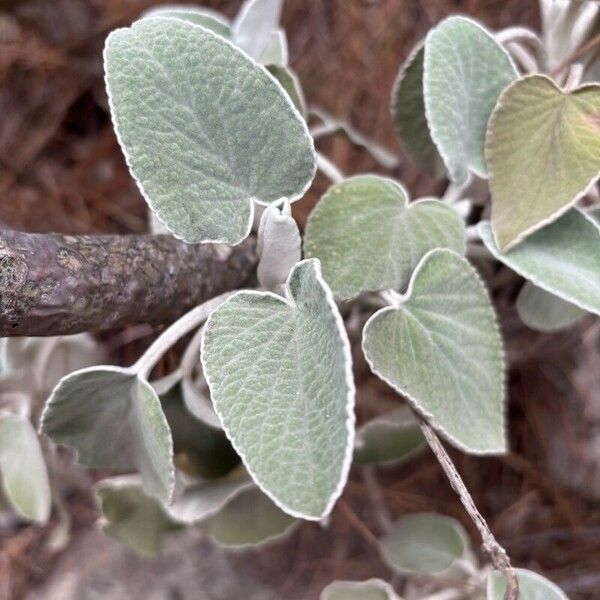
Plant Overview
Known affectionately as "Ironwort" or "Greek Mountain Tea," Sideritis nervosa is a rugged beauty of the Mediterranean peaks. This resilient herb has been a staple in traditional medicine for centuries, praised by ancient shepherds for its soothing properties and earthy, citrusy aroma. It is a true survivor, thriving in rocky soils where other plants would wither under the intense mountain sun.
🔍 How to Identify
- 🍃 Prominent Veining: True to its name, nervosa features distinct, raised veins on its leaves, giving them a textured, "nerved" appearance that sets it apart from other Sideritis species.
- ❄️ Silvery Foliage: The leaves and stems are covered in fine, woolly white hairs. This "fuzz" isn't just for show; it acts as a natural sunblock and helps the plant retain moisture in dry climates.
- 🌼 Pagoda-Like Spikes: Small, pale yellow flowers emerge from papery, green bracts that are stacked vertically in tight spikes, resembling miniature floral towers.
🏡 In Your Garden
- ☀️ Sun-Drenched Soul: Originating from high-altitude limestone slopes, this plant craves full sun. If you place it in the shade, it will lose its compact shape and its signature silvery sheen will dull.
- 🪨 The Drainage Rule: Sideritis nervosa hates "wet feet." It is best suited for rock gardens, gravel beds, or terracotta pots with plenty of perlite. It prefers poor, alkaline soil over rich, compost-heavy dirt.
- ✂️ Pruning for Longevity: To prevent the plant from becoming overly woody and leggy, lightly trim the spent flower spikes in late summer. This encourages a bushier, more attractive silver mound for the following season.
⚠️ Safety & Toxicity
- 🍵 Safe & Soothing: This plant is widely recognized as non-toxic and is famously used to brew "Mountain Tea." It is celebrated for being caffeine-free and rich in antioxidants.
- 🐾 Pet Friendly: There are no known toxic effects for cats or dogs. However, the fuzzy texture of the leaves may occasionally cause very mild mouth irritation if a curious pet decides to chew on a large amount.
✨ Fun Fact
The name "Ironwort" (Sideritis) comes from the Greek word for iron. In ancient times, it was believed that the plant could miraculously heal wounds inflicted by iron weapons, such as swords and arrowheads, during battle!

Detailed Care Instructions








