Plant Overview
Often called the "Dodo Tree," Sideroxylon majus is a legendary giant native to the misty highland forests of Mauritius. For decades, it was the center of a famous scientific mystery, believed to be sliding into extinction alongside the flightless Dodo birds that once roamed beneath its canopy. Today, it stands as a symbol of island conservation and ancient botanical resilience.
🔍 How to Identify
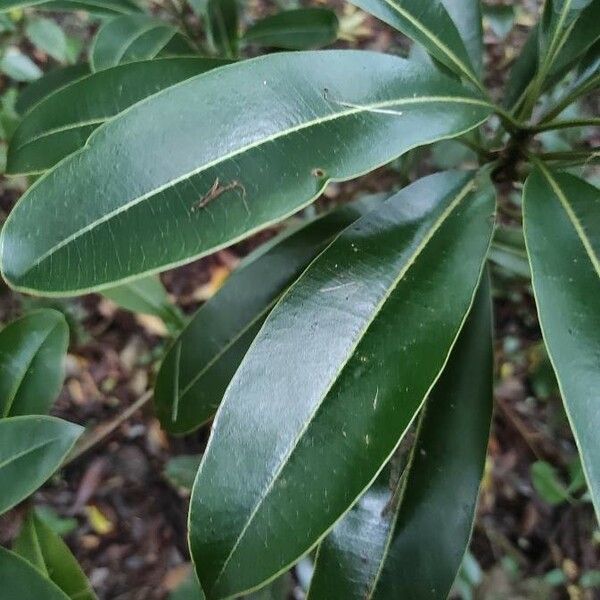
- 🍃 Leathery Foliage: The leaves are thick, tough, and dark green with a glossy finish, typically clustered at the ends of the branches to maximize sunlight capture.
- 🌰 The "Stone" Fruit: It produces a fleshy fruit containing a remarkably thick-walled, woody pit. This "stone" is so hard it was once thought only a bird's digestive tract could crack it.
- 🌳 Rugged Stature: As a slow-growing hardwood, it develops a massive, gnarled trunk with greyish bark that can survive for several centuries.
🌲 Habitat & Ecology
- ⛰️ Highland Specialist: In its native Mauritius, this tree thrives in humid, high-altitude forests, anchoring itself into nutrient-rich volcanic soils.
- 🐢 Slow Motion Growth: This species operates on a different timeline than most plants. It grows at a glacial pace, focusing its energy on creating incredibly dense, "iron-like" wood rather than rapid height.
⚠️ Safety & Toxicity
- 🛡️ Safe Status: Sideroxylon majus is considered non-toxic. It does not produce irritating saps or poisonous berries.
- 💎 Physical Hazard: The primary "danger" is the seed itself. The pits are extremely hard and heavy—essentially organic rocks—and should be kept away from small children who might treat them as toys or attempt to swallow them.
✨ Fun Fact
🐦 The Great Myth: In the 1970s, a famous theory suggested this tree stopped germinating because it needed to pass through the digestive system of a Dodo to crack its seed. While we now know the seeds can sprout with mechanical help or even a very old tortoise, the story made the "Dodo Tree" one of the most famous plants in the world!

Detailed Care Instructions
To grow Sideroxylon Majus (Bully tree) successfully, follow these steps:
- Climate and location: Sideroxylon Majus thrives in tropical and subtropical regions. It requires full sun, well-draining soil, and a warm climate with temperatures above 60°F (15°C). Choose a location where the tree will receive plenty of sunlight.
- Soil preparation: Prepare the soil by loosening it with a garden fork or tiller. The soil should be rich in organic matter and well-draining. Amend the soil with compost or aged manure to improve fertility.
- Planting: Select healthy young saplings from a reputable nursery or collect seeds directly from mature Sideroxylon Majus trees. Dig a hole slightly wider and deeper than the plant's root ball. Place the sapling in the hole, ensuring the top of the root ball is level with the ground. If using seeds, plant them at a depth of 1/4 inch (6 mm).
- Watering: Water the newly planted tree thoroughly, ensuring that the surrounding soil is evenly moist. Afterward, water the tree regularly during the establishment period to keep the soil moist but not waterlogged. Once established, Sideroxylon Majus is moderately drought-tolerant but will benefit from consistent watering during dry spells.
- Mulching: Apply a layer of organic mulch around the base of the tree to conserve soil moisture, suppress weeds, and provide nutrients. Maintain a mulch-free area around the trunk to avoid moisture buildup and potential rot.
- Pruning and maintenance: Prune Sideroxylon Majus to maintain its shape and remove dead or damaged branches. Trim any low-hanging branches to promote a single or multi-trunk growth habit. Regularly inspect the tree for pests and diseases, and take appropriate action if necessary.
- Fertilization: Apply a balanced, slow-release fertilizer with an NPK ratio of 10-10-10 or 14-14-14 in early spring and early fall. Follow the manufacturer's instructions for dosage, as over-fertilization can cause harm.
- Protection: Protect young Sideroxylon Majus trees from strong winds and frost, as they can be sensitive to temperature extremes. Provide temporary windbreaks or cover the saplings during cold snaps.
Remember that Sideroxylon Majus is a slow-growing tree, so be patient as it takes time to reach its full potential. Additionally, local regulations and restrictions may apply when growing certain plant species, so it's essential to verify with local authorities if there are any specific rules regarding Sideroxylon Majus in your area.
To water this plant, it is important to understand its natural habitat, soil requirements, and watering needs. This plant thrives in well-draining soil with medium to low moisture content. Overwatering can lead to root rot and other plant health issues.
To water this plant, allow the soil to dry out slightly between watering. When you water, do so slowly, ensuring that the moisture reaches the roots of the plant. Avoid getting water on the leaves or stems as this can increase the risk of fungal growth.
It is also important to consider the climate and season when watering this plant. In the hot summer months, it may require more frequent watering, while in cooler seasons, it may need less.
Using a moisture meter or checking the soil regularly by inserting your finger into it can help determine when it needs watering. Additionally, observing the plant for signs of stress or wilt can also indicate its watering needs.
To properly fertilize this plant, use a balanced fertilizer with equal parts nitrogen, phosphorus, and potassium. Apply the fertilizer sparingly during the growing season, starting in the early spring and continuing every four to six weeks until the end of the summer. It's important not to over-fertilize, as this can damage the plant. Remember to follow the instructions on the fertilizer carefully, and to water the plant before and after fertilizing to help the soil absorb the nutrients.
For optimal growth and health, Sideroxylon Majus plants require soil that is well-draining and has a slightly acidic to neutral pH level. The soil should be rich in organic matter and able to retain moisture without becoming waterlogged. It is recommended to use a mixture of sand, perlite, and compost to create an ideal growing medium for this plant. The soil should be prepared and amended before planting to ensure that it contains the appropriate nutrients and minerals necessary for healthy growth. Additionally, adding a layer of mulch on top of the soil can help to retain moisture and prevent weed growth around the base of the plant.
Sideroxylon Majus plant can be propagated using stem cuttings or seeds. To propagate using stem cuttings, select a healthy and mature stem from the parent plant and cut it at a 45-degree angle using a sharp, sterilized pair of scissors or pruning shears. Remove all the leaves except the top two or three and dip the cut end in rooting hormone powder. Plant the cutting in well-draining soil and keep the soil moist and in a warm and humid environment, like with a plastic bag over it, until roots develop.
To propagate using seeds, collect the mature seeds from the parent plant. Clean and dry them thoroughly and plant them in well-draining soil. Keep the soil moist and in a warm and bright environment until the seeds germinate.
It's important to note that Sideroxylon Majus plant prefers warm and humid conditions and well-draining soil. It's best to propagate during the spring or summer months.








