Plant Overview
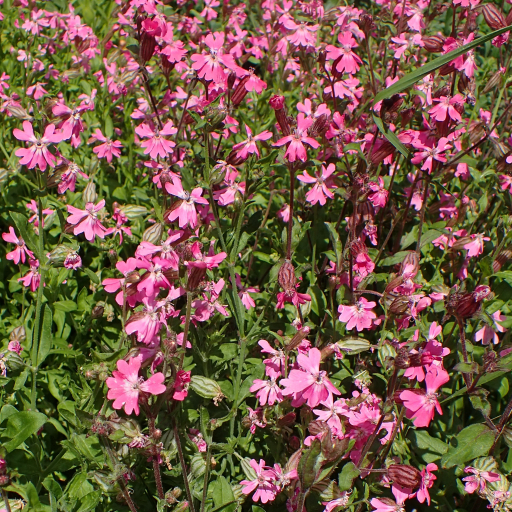
Often called the Nodding Catchfly or Drooping Catchfly, Silene pendula is a Mediterranean treasure that adds a romantic, cottage-core vibe to any landscape. It is most famous for its dainty, rose-pink flowers that gracefully bow their heads as if whispering secrets to the soil below. This resilient little plant is a favorite for filling gaps in rock gardens or cascading like a floral waterfall over the edges of hanging containers.
🔍 How to Identify
- 🌸 Petals: Features five deeply notched, "bi-lobed" petals, giving each flower a delicate, fringed, or heart-shaped appearance.
- 🎈 The Calyx: Each bloom emerges from a swollen, lantern-like tube (the calyx) that is often decorated with soft hairs or subtle purple veining.
- 🌿 Growth Habit: True to its name, the stems are soft and "pendulous," meaning they tend to trail or droop downward rather than standing strictly upright.
🏡 In Your Garden
- ☀️ Light & Spacing: While it loves basking in the sun, it appreciates a bit of afternoon shade in scorching climates to keep its petals from "fainting" in the heat.
- 🪨 Soil Nuance: This plant actually prefers "lean" or poor soil. If you pamper it with too much rich fertilizer, it will produce lush green leaves but very few of its iconic pink blossoms.
- 🧺 The "Spiller" Effect: Because of its trailing nature, it is the perfect "spiller" for mixed containers, where it can drape elegantly over the sides of the pot.
⚠️ Safety & Toxicity
- 🐾 Pet Safety: Silene pendula is generally considered non-toxic to dogs, cats, and horses, making it a "worry-free" choice for pet owners.
- 🧼 Mild Irritant: Like many members of its family, it contains saponins. While not dangerous, the sap can cause very mild skin irritation for those with sensitive skin, so it’s always a good idea to wash your hands after a heavy pruning session.
✨ Fun Fact
🪰 The name "Catchfly" refers to the sticky, resinous substance found on the stems and calyx. While it isn't a carnivorous plant that eats bugs, this "glue" acts as a defensive barrier to stop crawling insects, like ants, from stealing nectar that is strictly reserved for flying pollinators like bees and butterflies!

Detailed Care Instructions
To grow Silene Pendula (also known as Nodding Catchfly), follow these steps:
- Planting: Choose a well-draining location that receives full or partial sun. Silene Pendula prefers fertile soil, so amend with compost or organic matter before planting. Sow seeds directly in the garden during spring or fall, as it is frost tolerant.
- Seed selection: Collect or purchase Silene Pendula seeds. You can also try germinating the seeds indoors before transplanting them outside.
- Soil preparation: Prepare the soil by loosening it with a garden fork or tiller. Remove any weeds or rocks that might hinder seedling growth.
- Sowing seeds: Scatter the Silene Pendula seeds over the prepared soil. Cover the seeds with a thin layer of soil, approximately 1/8 inch deep. Lightly press down the soil to ensure good seed-to-soil contact.
- Watering: Water the soil gently, ensuring the seeds receive adequate moisture. Avoid over-watering, which could lead to rotting. Keep the soil consistently moist until germination.
- Germination: Silene Pendula typically germinates within 1-2 weeks. Once sprouts emerge, thin them out to 6-12 inches apart to provide enough space for growth.
- Mulching and weeding: Apply a layer of organic mulch around the seedlings to retain moisture and suppress weed growth. Weed regularly to prevent competition for resources.
- Maintenance: Water regularly, especially during dry periods. Avoid excessive fertilization, as Silene Pendula prefers moderately nutrient-rich soil. Additionally, deadhead spent flowers to encourage continuous blooming and prevent self-seeding.
- Pest and disease control: Silene Pendula is generally resistant to pests and diseases. However, keep an eye out for aphids or powdery mildew, which could occur under humid conditions. Treat these issues with appropriate organic remedies if necessary.
- Propagation: Silene Pendula can self-seed easily, producing new plants for the following growing season. If you wish to propagate additional plants, collect seeds from mature plants or divide the clumps during spring or fall.
By following these steps, you can successfully grow Silene Pendula in your garden and enjoy its lovely blooms.

Place in a bright room that is sun drenched almost all day. Or directly in a south-facing window.

Silene pendula is a plant that requires consistent watering to ensure that the soil around it remains moist enough to support its growth and development. The best way to water this plant is to use a watering can or hose to gently soak the soil around the plant until it appears soaked to the touch. Be sure to avoid getting too much water on the leaves or blooms, as this can encourage mold growth and other issues.
To determine when to water your Silene pendula, check the soil regularly to see if it is drying out. If the top inch of soil is dry to the touch, it's time to water the plant. This is particularly important during periods of dry weather or high heat, when the plant may need more water than usual.
As with all plants, it's important not to overwater Silene pendula, as this can lead to root rot and other issues. Be sure to allow the soil to dry out slightly between waterings, and consider using a well-draining soil mix to help prevent waterlogging.
Overall, watering Silene pendula requires a careful balance of regular moisture and good drainage, along with a close eye on the plant's response to weather conditions and other factors. With a little practice and attention, you can help ensure that your Silene pendula thrives and blooms beautifully year after year.
To fertilize this plant, use a balanced fertilizer with equal parts nitrogen, phosphorus, and potassium. Apply the fertilizer once every two weeks during active growth periods. Be sure to dilute the fertilizer according to the manufacturer's instructions before application. Avoid fertilizing during periods of dormancy or drought stress.
The ideal soil for Silene pendula should be well-draining, with a pH range of 6.0-7.5. The soil should be moderately fertile, enriched with organic matter, and with a texture that is neither too heavy nor too light. This plant prefers moist soil but can tolerate occasional drought. It is recommended to mulch the soil around the plant to retain moisture and nutrients. Avoid planting Silene pendula in areas with poor drainage or compacted soil.
Propagation of this plant can be done through both sexual and asexual means. For sexual propagation, the plant can be grown from seed. After the flowering period, allow the flowers to dry and collect the seeds. The seeds can be sown in pots or directly in the ground. The ideal time for seed sowing is in the spring after the last frost.
For asexual propagation, the plant can be propagated through division. This is done by digging up the plant and dividing the root system into several smaller sections. Each section should have a few stems and leaves attached. These smaller sections can then be potted up and grown on until they are established.
Another asexual propagation technique is taking stem cuttings. Cuttings should be taken from healthy, mature stems in the spring or summer. Cuttings should be around 10cm long and dipped in rooting hormone before planting in a well-draining soil mix. Keep the cuttings moist and in a warm, bright location until they have rooted.
Overall, this plant is relatively easy to propagate using either sexual or asexual methods.








