Plant Overview
Known affectionately as the Autumn Catchfly or Schafta Campion, this resilient little alpine native hails from the rocky slopes of the Caucasus Mountains. While most garden favorites begin to fade as summer wanes, Silene schafta is just getting started, providing a vibrant "second wind" of color to rock gardens and stone walls. Its low-growing, mat-forming habit makes it a perfect living carpet that transitions the garden beautifully into the cooler months.
🔍 How to Identify
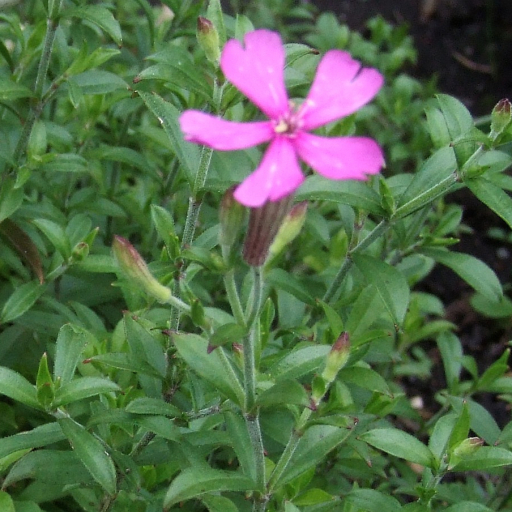
- 🌸 The Blooms: Features clusters of vivid magenta or deep pink flowers. Each flower has five distinct petals that are deeply notched at the tips, often giving them a delicate, heart-shaped appearance.
- 🍃 The Foliage: Forms a dense, tufted mound of small, lance-shaped green leaves. The foliage is semi-evergreen, meaning it stays relatively lush even as temperatures begin to drop.
- 🕸️ The "Catchfly" Stem: If you touch the flower calyx (the tube at the base of the bloom), you’ll notice it feels slightly sticky. This is a classic trait of the Silene genus, designed to deter crawling insects from stealing nectar.
🏡 In Your Garden
- ⛰️ The Rock Star: Because it naturally grows in mountain crevices, it thrives in gritty, well-draining soil. It is the ultimate choice for "crevice gardening" or tucked into the gaps of a dry-stone wall where other plants might struggle.
- ☀️ Sun & Drainage: While it loves a sunny spot, its biggest enemy is "wet feet" during the winter. Ensure the soil is porous; a heavy, waterlogged clay will likely cause the crown to rot before spring arrives.
- ⏳ Late-Season Hero: It is highly valued for its bloom time, typically peaking from August through October. It provides a vital late-season nectar source for pollinators who are prepping for the colder months.
⚠️ Safety & Toxicity
- 🟢 General Safety: Silene schafta is generally considered non-toxic to humans, cats, and dogs. It is a safe addition to family-friendly landscapes.
- 👅 Mild Irritant: Like many members of the Caryophyllaceae family, the plant contains saponins. While not poisonous, ingesting large quantities could cause very mild stomach upset or drooling in pets.
- 🧤 Skin Contact: The sticky residue on the stems is harmless to humans but can occasionally collect dust or tiny bits of debris, so some gardeners prefer wearing gloves when dividing the mats.
✨ Fun Fact
The name "Catchfly" isn't just a coincidence! The sticky, glandular hairs on the stems and calyx act like natural flypaper. While the plant isn't "carnivorous" (it doesn't eat the bugs), the stickiness prevents ants and other non-pollinating "nectar thieves" from climbing up and taking the prize without helping the plant reproduce!

Detailed Care Instructions
Silene schafta, also known as the Persian Silene, is a perennial plant native to Iran and Turkey. Here are some tips on how to grow and care for this plant:
- Choose the right location: Silene schafta prefers full sun to partial shade and well-draining soil. Make sure to plant it in a spot with good air circulation to prevent diseases.
- Planting: Plant Silene schafta in the spring or fall. Dig a hole slightly larger than the root ball and place the plant in the hole. Backfill with soil and water thoroughly.
- Watering: Water Silene schafta regularly, keeping the soil moist but not waterlogged. Water deeply once a week during the growing season and reduce watering in the winter.
- Fertilizing: Fertilize Silene schafta with a balanced fertilizer in the spring before new growth starts. Avoid over-fertilizing, as this can lead to leggy growth and fewer flowers.
- Pruning: Deadhead Silene schafta regularly to encourage continuous blooming. Cut back any leggy or damaged stems to promote new growth.
- Pests and diseases: Keep an eye out for aphids, slugs, and snails, which can be common pests for Silene schafta. Treat with insecticidal soap or neem oil if necessary. Watch out for powdery mildew, which can be prevented by ensuring good air circulation around the plant.
- Winter care: In colder climates, protect Silene schafta from harsh winter conditions by mulching around the base of the plant or bringing it indoors to a protected location.
By following these tips, you can successfully grow and care for your Silene schafta plant. Enjoy its delicate pink flowers and attractive foliage in your garden.

Place in a bright room that is sun drenched almost all day. Or directly in a south-facing window.

Silene Schafta plants should be watered consistently and thoroughly. It is important to ensure that the soil is moist, but not waterlogged. Allow the top inch of soil to dry out before watering again. Water the plant at the base to avoid getting the foliage wet, as this can lead to fungal diseases. During the growing season, typically spring and summer, water the plant more frequently, and reduce watering in the fall and winter when the plant is dormant. Additionally, ensure good drainage to prevent root rot. It is recommended to use room temperature water when watering the plant.
The Silene Schafta plant should be fertilized once a month during the growing season, which typically occurs in the spring and summer months. Use a balanced liquid fertilizer diluted to half the recommended strength. Water the plant thoroughly after fertilizing to help the nutrients reach the roots. Avoid over-fertilizing, as this can lead to nutrient imbalances and damage to the plant.
Silene Schafta plant thrives best in well-draining soil with a slightly acidic to neutral pH level. A mix of loamy or sandy soil with good organic matter content is ideal for promoting healthy growth and development of this plant. Avoid using heavy clay soils as they can lead to poor drainage and root rot. Adding perlite or coarse sand to the soil mix can further improve drainage and aeration, which is essential for the plant's root system. Additionally, providing a layer of mulch on top of the soil can help retain moisture and regulate soil temperature, creating a more favorable growing environment for the Silene Schafta plant.
Silene Schafta plant can be propagated through various methods such as division, stem cuttings, and seed sowing.
- Division: To propagate Silene Schafta through division, carefully dig up the plant and separate the individual sections of the roots or shoots. Replant each section in a new location with well-draining soil and water thoroughly.
- Stem cuttings: To propagate Silene Schafta through stem cuttings, cut a healthy stem from the parent plant and remove the lower leaves. Dip the cut end in rooting hormone and plant in a pot filled with a well-draining soil mix. Keep the cutting consistently moist until roots develop.
- Seed sowing: To propagate Silene Schafta from seeds, collect mature seeds from the parent plant and sow them in a seed tray filled with a well-draining potting mix. Cover lightly with soil and keep the tray in a warm, bright location. Keep the soil consistently moist until seedlings emerge.
Regardless of the propagation method chosen, it is important to provide the new plants with proper care, including regular watering, adequate sunlight, and a well-balanced fertilizer to encourage healthy growth.








