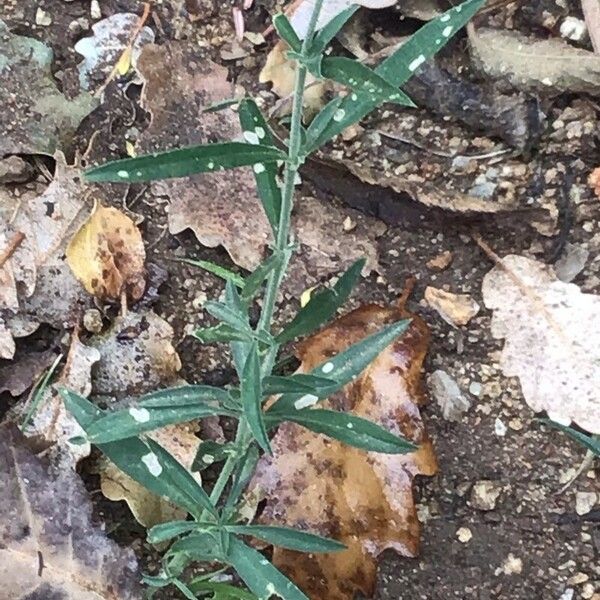
Plant Overview
Known as Sennen’s Catchfly, this rare botanical gem is a resilient specialist originating from the rocky landscapes of the Mediterranean, particularly near the Pyrenees. Named after the prolific French botanist Frère Sennen, it is a plant that thrives in the face of adversity, clinging to dry, sun-drenched slopes. Its "Catchfly" nickname is well-earned, referring to the sticky, glue-like substance on its stems that acts as a natural defense against unwanted visitors.
🔍 How to Identify
- 🌸 Notched Petals: The flowers feature five delicate petals, usually white or tinged with a soft pink, which are deeply split or notched at the tips, giving them a distinct heart-shaped look.
- 🍯 Sticky Stems: If you touch the stems, you’ll notice a tacky, resinous texture caused by glandular hairs meant to trap small, non-pollinating insects.
- 🍃 Basal Rosettes: At the base, the plant forms a compact cluster of narrow, lance-shaped leaves that stay close to the ground to conserve moisture.
🏡 In Your Garden
- ☀️ Sun Seeker: This plant is a true sun-worshipper and requires a position with maximum light. It is built for heat and can withstand intense afternoon rays that would wilt more delicate garden flowers.
- 🪨 Perfect Drainage: In the wild, it lives among limestone rocks. To keep it happy in a garden setting, you must use a very gritty, free-draining soil mix; it is highly susceptible to root rot if kept in heavy, water-logged clay.
- 🦋 Specialist Pollinators: Because of its narrow flower tube, it is a favorite for long-tongued insects like butterflies and moths, making it a wonderful addition to a conservation-focused rock garden.
⚠️ Safety & Toxicity
- 🟢 Generally Safe: Silene sennenii is not known to be toxic to humans, cats, or dogs.
- 🖐️ Mild Irritation: While not poisonous, the sticky secretions on the stems can sometimes trap dust or pollen, which might cause very mild skin irritation for people with extreme sensitivities or allergies.
✨ Fun Fact
Members of the Silene genus are often called "Campion" or "Catchfly," but they have a hidden secret: they contain "saponins." In ancient times, crushed roots from related Silene species were sometimes mixed with water to create a gentle, foamy lather used for washing!

Detailed Care Instructions







