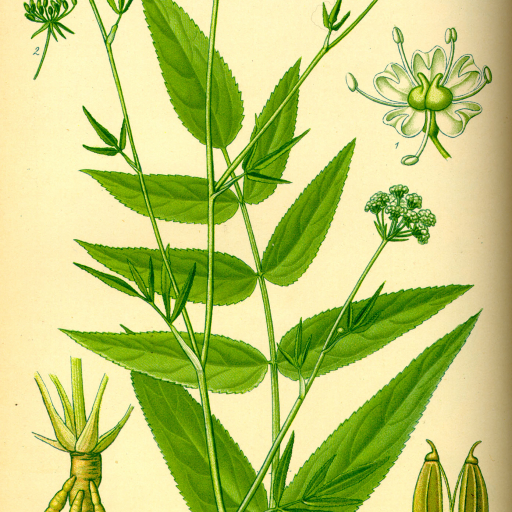
Plant Overview
Meet the "Forgotten Vegetable" that once ruled the royal dinner tables of Europe. Known commonly as Skirret, this perennial root was a favorite of the Roman Emperor Tiberius and a staple in Tudor England long before the potato arrived from the Americas. It is beloved by heirloom gardeners for its sweet, nutty flavor—reminiscent of a cross between a parsnip, a carrot, and a roasted chestnut.
🔍 How to Identify
- 🌿 The Leaves: Features bright green, shiny, pinnate leaves with serrated edges that look very similar to its cousin, the common parsley.
- 🌼 The Blooms: During summer, it sends up tall stalks topped with delicate "umbels"—flat-topped clusters of tiny white flowers that resemble lace.
- 🥕 The Roots: Unlike a single thick carrot, Skirret produces a cluster of multiple small, finger-like tubers joined at the crown.
🏡 In Your Garden
- 💧 Moisture Lover: Skirret is naturally a wetland-adjacent plant. While it can grow in average garden soil, it truly thrives in spots that stay consistently moist or even "boggy."
- ⏳ Patience for Sweetness: While you can harvest them in their first year, the roots become significantly sweeter after the first hard frost of autumn. The cold weather converts the plant's starches into sugars.
- 🦋 Pollinator Magnet: The broad, flat flower heads are an absolute landing pad for beneficial insects, particularly hoverflies and tiny predatory wasps that help keep garden pests in check.
⚠️ Safety & Toxicity
- 🛑 The Lookalike Warning: EXTREME CAUTION is required. Skirret belongs to the Apiaceae family, which includes some of the most deadly plants on earth, such as Water Hemlock. Never forage for this in the wild; only grow it from verified seeds or nursery stock.
- 🐾 Pet & Child Safety: The roots of the true Sium sisarum are edible and safe for human consumption. However, because it is so easily confused with toxic relatives (which can cause seizures or death if ingested), it should be kept away from curious pets and children unless you are 100% certain of its identity.
✨ Fun Fact
Before the rise of the sugar beet in the 18th century, Skirret was one of the primary sources of sugar in Europe. Medieval cooks would often boil the roots and mash them into sweet fritters or use them to thicken and sweeten royal pottages!

Detailed Care Instructions
To grow Sium sisarum, also known as skirret, follow these steps:
- Planting: Start by obtaining skirret seeds or plantlets from a trusted nursery or online supplier. Choose a sunny or partially shaded location with well-drained soil.
- Soil preparation: Skirret prefers loamy or sandy soil types. Amend the soil with organic matter, such as compost or well-rotted manure, to improve soil fertility and drainage.
- Sowing seeds or planting plantlets: Skirret can be grown from seeds or plantlets. If using seeds, sow them directly into the soil in late winter or early spring, just half an inch deep. If using plantlets, plant them at least 6 inches apart in the prepared soil, making sure the roots are spread out and covered with soil.
- Watering: Keep the soil consistently moist but not waterlogged. Water deeply and regularly, especially during dry spells. Skirret has shallow roots, so frequent, light watering is recommended.
- Mulching: Apply a layer of organic mulch, such as straw or wood chips, around the plants to suppress weeds, retain soil moisture, and regulate soil temperature.
- Fertilizing: Skirret plants benefit from regular feeding with a balanced organic fertilizer. Apply the fertilizer according to the package instructions and avoid over-application as excessive nitrogen can lead to excessive foliage growth.
- Maintenance: Remove weeds around skirret plants regularly to minimize competition for nutrients and water. Thin out crowded plants to maintain adequate spacing. Remove any yellow or diseased foliage to maintain the plant's health.
- Harvesting: Skirret can be harvested in late fall or early winter once the roots have reached a desirable size. Lift the plants carefully using a garden fork or spade, being cautious not to break the roots. Cut or break off foliage and store the roots in a cool, dark place for a few days before using.
- Dividing: Skirret plants can be divided every few years to propagate new plants. Lift the plant, separate the crowns with a sharp knife or spade, and replant the divisions in prepared soil.
By following these steps, you should be able to successfully grow skirret plants and enjoy the harvest of delicious and nutritious roots.

Place in a bright room that is sun drenched almost all day. Or directly in a south-facing window.

Sium sisarum is a plant that grows in wet or poorly drained soils and requires a lot of moisture to thrive. It is important to keep the soil around the plant consistently moist, but not overly saturated.
One way to water Sium Sisarum is to use a soaker hose or drip irrigation system that delivers water deep into the soil and at a slow rate that allows time for absorption. This method helps prevent runoff and ensures that the roots are getting the water they need.
Another option is to water by hand using a watering can or hose with a gentle spray nozzle. It is important to avoid getting water on the leaves and foliage, as this can encourage disease and pest problems. Instead, direct the water carefully towards the soil around the base of the plant.
In general, Sium Sisarum plants require frequent watering, especially during hot and dry periods. However, it is important not to overwater, as too much moisture can lead to root rot and other problems. If the soil feels spongy or soggy, it is a sign that the plant is getting too much water and adjustments to watering frequency should be made.
To fertilize this plant, apply a balanced fertilizer in the early spring before new growth emerges. Follow the instructions on the fertilizer packaging for the correct amount to apply. The plant can also benefit from a second application of fertilizer in the middle of the growing season. Avoid fertilizing too late in the growing season, as this can encourage soft growth that may not have time to harden off before winter.
Sium Sisarum is a herbaceous plant that requires a specific type of soil for optimal growth. This plant grows best in soil that is rich in nutrients and organic matter. It prefers soils that are moist but not waterlogged, as too much water can cause the roots of the plant to rot. The ideal soil pH range for this plant is between 5.5 and 7.5.
To achieve the ideal soil conditions for Sium Sisarum, it is recommended to amend the soil with organic matter such as compost or well-rotted manure. This will improve the soil structure and fertility, promote healthy root growth, and increase soil moisture retention. It is also important to ensure that the soil is well-draining, as this will prevent waterlogging and facilitate proper nutrient uptake by the plant.
When planting Sium Sisarum, it is recommended to dig a hole slightly larger than the root ball and amend the soil in the planting area with organic matter. After planting, water deeply to ensure that the soil is moist throughout the root zone. Mulching around the base of the plant can also help to retain moisture and protect the roots from temperature fluctuations.
To propagate this plant, take a healthy stem cutting from the parent plant. The cutting should be at least 4 inches long and have several leaves. Use a clean, sharp knife or scissors to make a clean cut. Remove any lower leaves from the stem and dip the cut end into rooting hormone powder.
Next, fill a small pot with moist, well-draining soil. Make a small hole in the soil and insert the cutting. Gently firm the soil around the cutting, making sure it is upright and stable.
Cover the pot with a clear plastic bag to create a mini greenhouse effect. Place the pot in a warm, bright, but indirect light location. Avoid placing the pot in direct sunlight, as too much heat and light can cause the cutting to wilt or dry out.
Mist the cutting regularly with water to keep the soil moist, but not too wet. Check for roots after a few weeks by gently tugging on the stem. If there is resistance, roots have formed and the plant is growing. Once the plant has established roots, it can be transplanted into a larger container or planted outdoors in suitable conditions.








