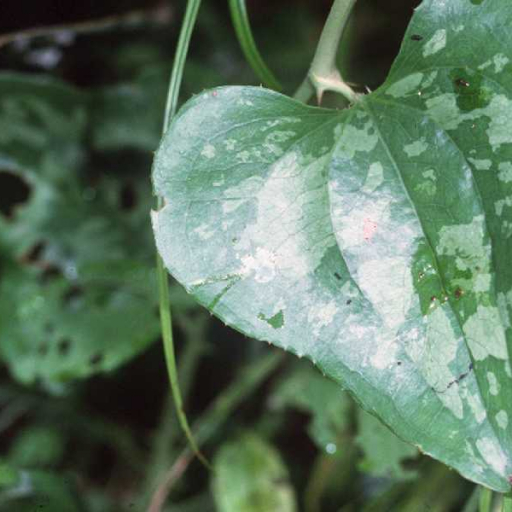
Plant Overview
Often called "Nature’s Barbed Wire" or the Saw Greenbrier, Smilax bona-nox is a tough-as-nails native vine that commands respect. While it is a vital part of the woodland ecosystem, providing "briar patch" protection for small birds and mammals, its prickly personality makes it a plant you’ll want to spot before you walk into it. Historically, it earned the name "Stretchberry" because of the elastic nature of its durable, climbing vines.
🔍 How to Identify
- 🍃 Fiddle-Shaped Leaves: The foliage is often thick and leathery, ranging from heart-shaped to "fiddle-shaped" (tapered in the middle), frequently featuring silvery-white mottling on the surface.
- ⚔️ Prickly Margins: Unlike many other vines, the edges (margins) and the undersides of the leaf veins are often lined with small, sharp prickles.
- 📐 Squared Stems: The young stems are green and distinctly four-angled or "squared," densely armed with stiff, black-tipped thorns that become woodier as the plant ages.
- 🔮 Dark Berries: In late summer and fall, female plants produce small clusters of berries that turn a deep, waxy black and often persist through the winter.
🏡 In Your Garden
- 🛡️ Natural Security: Because of its aggressive thorns and dense growth, it is often used as a "living fence" to deter intruders or provide a safe nesting site for songbirds away from cats.
- 🏗️ Tenacious Climber: It uses wiry tendrils to hoist itself up trees and fences; however, it has a deep, woody tuber (root) that makes it incredibly difficult to remove once established.
- 🦋 Wildlife Value: While gardeners may find it "weedy," it is a high-value plant for biodiversity, serving as a larval host for several moth species and a winter food source for deer and birds.
⚠️ Safety & Toxicity
- 🧤 Physical Hazard: The primary danger of the Saw Greenbrier is mechanical. The sharp prickles can easily pierce skin or tear through light clothing, so heavy gloves are a must when handling it.
- 🐾 Pet & Human Safety: Generally considered non-toxic if accidentally brushed against, though the berries are not considered a choice edible for humans and the prickles can cause painful scratches to curious pets.
✨ Fun Fact
The thick, starchy roots of various Smilax species were once the primary ingredient in authentic Root Beer and sarsaparilla. While Smilax bona-nox was used by indigenous people for its edible young shoots (which taste like asparagus), it’s the root that provided the famous foamy, medicinal kick to historical sodas!

Detailed Care Instructions
| Humidity | Normal |
| Lighting | Full Sun |
| Difficulty | Easy |
| Hibernation | Cold Period |
To grow Smilax Bona-nox (saw greenbrier) plants, follow these steps:
- Choose an appropriate location: Select a spot that receives partial shade to full sun. The soil should be well-draining, rich in organic matter, and slightly acidic. Smilax Bona-nox can tolerate a wide range of soil types, but it prefers loamy soil.
- Obtain plants or seeds: You can purchase Smilax Bona-nox plants from a nursery or propagate them from seeds or root cuttings.
- Planting: If using seeds, sow them at a depth of 1-2 inches (2.5-5 cm) in the soil during late winter or early spring. If using plants, dig a hole slightly larger than the root ball and place the plant in the hole, covering the roots with soil. Space multiple plants about 3-4 feet (0.9-1.2 meters) apart.
- Watering: Smilax Bona-nox plants like evenly moist soil, but do not overwater. Water the plants regularly and deeply, especially during dry periods. Avoid waterlogging or allowing the soil to become soggy.
- Mulching: Apply a layer of organic mulch around the plants to help retain moisture, suppress weeds, and insulate the roots. Organic materials such as wood chips or leaves work well for this purpose.
- Pruning: Smilax Bona-nox is a vining plant that can spread rapidly. To control its growth, prune back any unwanted or overgrown branches. Regular pruning also helps promote healthier, bushier growth.
- Fertilizing: Apply a balanced, slow-release fertilizer in early spring to provide necessary nutrients for the plant's growth. Follow the package instructions for proper dosage.
- Support: If you want the plant to climb on a trellis or other support, provide it with a structure to latch onto. Secure the young shoots to the support system to guide their growth.
- Pests and diseases: Keep an eye out for common vine pests such as aphids or spider mites. Treat infestations with appropriate insecticides or natural remedies. Smilax Bona-nox is generally resistant to diseases but may occasionally experience issues like leaf spot or crown rot. Ensure proper watering and provide good air circulation around the plant to prevent these problems.
- Maintenance: Regularly check the plant for any signs of distress or damage. Remove any weeds that might compete with the plant for nutrients. Keep the area around the plant clean and free of debris.
By following these steps, you can successfully grow Smilax Bona-nox plants in your garden or landscape.

Place in a bright room that is sun drenched almost all day. Or directly in a south-facing window.

To water this plant, it is important to first understand its watering needs. This plant prefers moist but well-draining soil, so do not let the soil dry out completely. Ensure that the soil is evenly moist, but not waterlogged, as waterlogging can lead to root rot. One way to test the soil moisture is by sticking your finger in the soil to feel the moisture level. If the soil feels dry to the touch, it is time to water the plant.
When watering, use a watering can or hose to water the soil around the plant's base, making sure to avoid wetting the leaves. Water the plant deeply, allowing the water to soak into the soil and reach the roots. Be sure to avoid overwatering, as it can lead to root rot. It is recommended to water this plant once a week, but the frequency may vary depending on environmental factors such as temperature and humidity.
It is also important to note that this plant prefers slightly acidic soil, so consider using rainwater or distilled water instead of tap water, which may contain minerals that can alter the soil pH. Additionally, avoid watering the plant during the hottest parts of the day as this can lead to moisture loss through evaporation. Instead, water early in the morning or late in the evening for best results.
- Choose a complete fertilizer with a balanced N-P-K ratio.
- Apply the fertilizer in the spring, before new growth appears.
- Use a slow-release fertilizer to avoid burning the plant.
- Spread the fertilizer evenly around the base of the plant, being careful not to get any on the foliage.
- Water the plant thoroughly after fertilizing.
- For best results, fertilize again in mid-summer and early fall.
The ideal soil for the plant in question should be well-draining, loose, and loamy with a pH level of 5.5 to 7.5. It should be rich in organic matter and have a good texture that allows for proper root development and water absorption. Avoid using heavy, compacted, or clay soils as they can hold excess moisture and lead to root rot or other fungal diseases. Additionally, ensure that the soil is moist but not waterlogged, and provide ample sunlight and air circulation to promote healthy growth.
To propagate this plant, you will need to collect mature stems or rhizomes from the parent plant. Carefully remove the stems or rhizomes by cutting them with a sharp, sterilized knife. Make sure to remove any leaves or tendrils from the stem.
Prepare a pot with well-draining soil and plant the stem or rhizome in it. Keep the soil moist but not waterlogged and place the pot in a warm, bright location but out of direct sunlight.
Over time, the stem or rhizome will begin to establish roots and produce new shoots. Once the new plant has grown to a suitable size, it can be transplanted to its permanent location.
Common pests of the saw greenbrier include Spider mites, aphids, thrips, larvae. Make a habit of checking your saw greenbrier frequently for pests so that any infestations can be caught and managed early.








