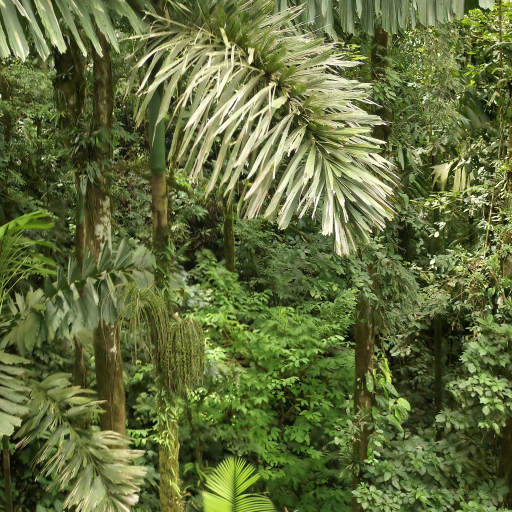
Plant Overview
Known as the Walking Palm or Cashapona, this Central and South American native is the star of one of botany’s most persistent and charming myths. Legend has it that this tree can literally uproot itself and "walk" across the forest floor to find better sunlight. While its movements are more geological than biological, its bizarre, stilted appearance makes it an unforgettable icon of the tropical rainforest.
🔍 How to Identify
- 🌴 Stilt Roots: The most striking feature is its "teepee" of aerial roots. The main trunk actually ends several feet above the ground, supported by a cone of thick, woody roots that look like many legs.
- 🌿 Jagged Fronds: The leaves are large and pinnate (feather-shaped), but the individual leaflets are unique—they are wedge-shaped and look as though the tips have been bitten or torn off.
- 🪵 Slender Trunk: The trunk itself is relatively thin and greyish-brown, often covered in tiny, sharp spines that protect it from climbing animals.
🏡 Habitat & Ecology
- ☁️ Humidity is King: In the wild, it thrives in the wet, humid lowlands of the Amazon. Because it requires massive vertical space and a near-constant "steam room" environment, it is rarely seen as a common houseplant, though it is a staple in large botanical conservatories.
- 🏗️ Structural Ingenuity: Scientists believe those famous stilt roots allow the tree to grow tall very quickly in unstable, swampy soil. They also help the palm survive "impacts" from falling branches; if hit, it can simply grow new roots to stabilize itself where it landed.
⚠️ Safety & Toxicity
- 🛡️ Safe Status: The Socratea exorrhiza is generally considered non-toxic to humans, cats, and dogs.
- 🌵 Spiny Defense: While not poisonous, the stilt roots are covered in small, very sharp spines. If you are lucky enough to see one in a garden or the wild, avoid touching the roots with bare hands, as they can cause painful skin punctures.
✨ Fun Fact
🚶 The Walking Legend: The myth that this tree moves up to 20 meters a year was popularized by rainforest guides. While modern science has debunked the idea of the tree "moving" in a single lifetime, it remains the only tree in the world that people joke about needing a GPS to find again!

Detailed Care Instructions
To grow a Socratea exorrhiza plant, also known as the walking palm or cashapona palm, follow these steps:
- Climate: Ensure that you live in a warm and humid climate, as Socratea exorrhiza plants thrive in tropical rainforests. They require temperatures between 70-85°F (21-29°C).
- Lighting: Provide bright, indirect light for the plant. Avoid direct sunlight, as it can scorch the leaves. Place it near a north or east-facing window or use artificial grow lights.
- Soil: Use a well-draining potting mix rich in organic matter. A mixture of peat moss, perlite, and compost works well. The soil should be moist but not waterlogged.
- Potting: Choose a pot with drainage holes that is slightly larger than the plant's rootball. Fill the pot with the potting mix and place the plant in the center, ensuring the top of the rootball is level with the pot's rim. Gently press the soil around the roots.
- Watering: Keep the soil consistently moist but never saturated. Water the plant when the top inch of soil feels dry to the touch. Socratea exorrhiza plants prefer high humidity, so misting the leaves regularly or placing a water tray nearby can help increase humidity levels.
- Fertilization: Feed the plant with a balanced, water-soluble fertilizer once a month during the growing season (spring and summer). Follow the manufacturer's instructions for proper dosage.
- Pruning: Remove any dead or damaged leaves by cutting them close to the base of the plant. Prune with clean and sharp pruning shears to prevent the spread of diseases.
- Repotting: As the Socratea exorrhiza plant grows, it may require repotting into a larger container. Repot during the spring, ensuring the new pot is only one size larger. Gently loosen the roots before planting it in fresh potting mix.
- Pest control: Watch out for common plant pests like spider mites, mealybugs, and scale insects. Regularly inspect the plant for signs of infestation, such as webbing or sticky residue. Treat pest problems with appropriate organic or chemical insecticides.
- Patience: Growing Socratea exorrhiza from seed can be challenging. If you manage to get your hands on seeds, soak them in warm water for 24-48 hours before planting them in a pot. Keep the soil consistently moist and maintain a warm temperature (around 80°F/27°C) until germination, which can take several weeks to several months.
Remember, Socratea exorrhiza plants are slow-growing, and it may take several years for them to reach a significant size. Patience and consistent care are key for successful growth.

Place in a window with dappled sun or a spot in the middle of a room. Or directly in a window facing west or east.

To keep the Socratea Exorrhiza plant hydrated and healthy, you need to water it regularly. The best way to water the plant is to use a watering can or a hose with a gentle spray attachment. When watering, aim to soak the soil around the base of the plant thoroughly to ensure the water reaches the roots.
However, it's essential to avoid overwatering the plant as it can lead to root rot, which can be detrimental to the plant's health. You can check the soil moisture by sticking your finger about an inch deep into the soil. If the soil feels dry, it's time to water the plant. On the other hand, if the soil still feels moist, wait for a few days before watering again.
It's also vital to make sure the pot or container has proper drainage holes to allow excess water to drain away. If the plant is in a decorative cache pot, be sure to remove any excess water that collects in the bottom to prevent the plant from sitting in water.
In summary, to water the Socratea Exorrhiza plant, use a watering can or gentle spray attachment, soak the soil thoroughly, avoid overwatering, check soil moisture regularly, and ensure proper drainage.
To fertilize this plant, use a balanced fertilizer with equal parts nitrogen, phosphorus, and potassium. Apply the fertilizer every two to three months during the active growing season, which is typically spring and summer. Use a slow-release fertilizer and apply it to the soil around the plant's root zone, being careful not to get any on the leaves. Water the plant thoroughly after fertilizing to help the nutrients reach the roots. If the plant shows signs of over-fertilization, such as yellowing leaves or stunted growth, reduce the amount of fertilizer used or increase the frequency of watering to help flush out the excess nutrients.
For Socratea Exorrhiza plant, it is recommended to use a well-draining and nutrient-rich soil that is slightly acidic. The ideal soil mixture should consist of peat moss, perlite, vermiculite, and sand. It should also contain organic matter, such as compost, to provide the plant with sufficient nutrients. The soil pH should be between 5.5 to 6.5, which is slightly acidic. The plant should be grown in a container with drainage holes to prevent waterlogging, which can lead to root rot. It is also important to ensure that the soil retains moisture without becoming waterlogged. Adding a layer of mulch on top of the soil can help to keep the soil moist and protect the roots from direct sunlight.
To propagate this plant, first obtain a mature specimen with a well-established root system. Carefully remove a healthy section of the stem, making sure to include enough of the root system to support the plant's growth. Next, prepare a potting medium consisting of a mixture of peat moss, sand, and perlite, and place the stem in the soil. Keep the soil evenly moist, and place the pot in a warm, bright location out of direct sunlight. Mist the plant daily to maintain adequate humidity levels. With proper care, the stem will begin to produce new roots and shoots, eventually developing into a new, independent plant.








