Plant Overview
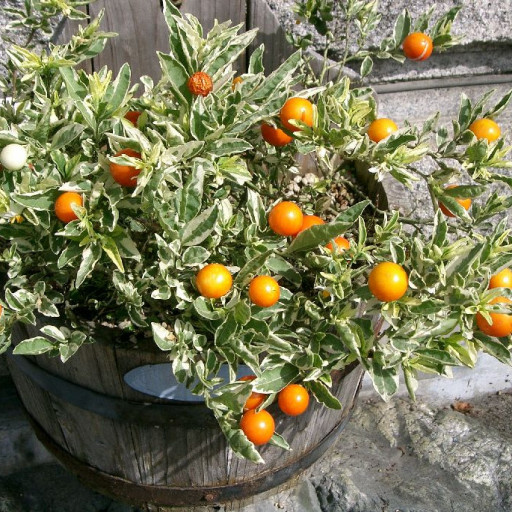
Often called the Jerusalem Cherry or Winter Cherry, this plant is a master of disguise. While it looks like a miniature tree brimming with delicious cherry tomatoes, it is actually a woody shrub from the nightshade family. Native to Peru and Ecuador, it has become a popular ornamental houseplant worldwide, especially during the winter months when its vibrant colors offer a pop of cheer.
🔍 How to Identify
- 🌿 The Foliage: Features dark green, lance-shaped leaves with slightly wavy edges. They grow in a dense, bushy pattern that makes the plant look like a tiny, manicured tree.
- 🌼 The Flowers: Before the "cherries" appear, the plant produces small, star-shaped white flowers with prominent yellow centers, typical of the Solanaceae family (like potatoes and peppers).
- 🔴 The Berries: Its most striking feature is the round, marble-sized fruit. These transition through a color palette of deep green to bright yellow and orange, finally settling on a brilliant, glossy red.
🏡 In Your Garden
- ☀️ Light & Fruit: To keep those iconic berries coming, this plant craves bright, direct light. If kept in a dark corner, it will quickly become "leggy" and stop producing its colorful fruit.
- 💧 Thirsty Tendencies: While it likes consistent moisture, it hates "wet feet." The trick is to wait until the top inch of soil is dry, but don't let it wilt completely, or the berries may drop prematurely.
- ✂️ Shape Maintenance: It has a naturally upright habit, but pinching back the tips in the spring encourages a fuller, more "shrub-like" appearance for the next fruiting season.
⚠️ Safety & Toxicity
- 🚫 Status: TOXIC. Every part of this plant—especially the unripe green berries—contains the alkaloid solanocapsine.
- 🐾 Risk Level: Extremely dangerous for curious cats, dogs, and small children who might mistake the berries for edible tomatoes or cherries. Ingestion can cause severe gastrointestinal distress, vomiting, and even heart problems. Always display this plant on a high shelf out of reach.
✨ Fun Fact
Despite its common name, the Jerusalem Cherry is neither from Jerusalem nor is it a cherry! It earned the name "Jerusalem" in the 16th century, a time when the word was often used as a prefix for exotic or foreign plants brought to Europe from far-off lands.

Detailed Care Instructions
| Humidity | Normal |
| Lighting | Part Sun |
| Toxicity | Poisonous |
| Difficulty | Medium |
| Temperature | 18°C - 25°C |
| Hardiness Zones | 8A - 10B |
To grow Solanum Pseudocapsicum, also known as Jerusalem Cherry or Christmas Cherry, you can follow the steps below:
- Obtaining Seeds or a Plant: You can either purchase seeds from a reputable nursery or buy a potted plant from a garden center.
- Selecting the Right Pot: Choose a well-draining pot with a diameter of at least 8-10 inches. Make sure the pot has drainage holes to prevent waterlogging.
- Soil: Use a well-draining potting mix that is rich in organic matter. A mixture of equal parts compost, peat moss, and perlite or sand works well.
- Planting: Fill the pot with the potting mix and create a small hole in the center. Place the seeds or the seedling into the hole and cover it gently with soil. If using seeds, plant them about ¼ inch deep.
- Watering: Water the plant thoroughly after planting. Keep the soil evenly moist but avoid overwatering, as it may cause root rot. Water when the top inch of soil feels dry.
- Light: Place the plant in a location that receives bright, indirect sunlight. Solanum Pseudocapsicum plants prefer at least 6-8 hours of sunlight per day. They can tolerate some shade but do best in well-lit areas.
- Temperature and Humidity: These plants prefer a temperature range of 65-75°F (18-24°C). Avoid exposing them to extreme temperatures. They can tolerate moderate humidity levels, but it's crucial to maintain good airflow to prevent fungus or mold growth.
- Fertilization: Use a balanced, water-soluble fertilizer once or twice a month during the growing season (spring and summer). Follow the instructions on the fertilizer packaging for the recommended dosage.
- Pruning: Regularly prune the plant to maintain its shape and remove any dead or damaged branches. This also encourages new growth and a bushy appearance.
- Pests and Diseases: Inspect the plant regularly for common pests like aphids, whiteflies, or spider mites. If detected, use an organic insecticidal soap or neem oil to control the infestation. Preventing overwatering and maintaining good airflow can help prevent fungal diseases.
- Berries and Safety Concerns: Solanum Pseudocapsicum produces berries that resemble cherry tomatoes. However, these berries are toxic and should be kept out of the reach of children and pets. If ingested, seek medical attention immediately.
By following these steps, you should be able to grow a healthy Solanum Pseudocapsicum plant. Remember to research any specific care requirements for your region and consult a local gardening expert if needed.

Place in a window with dappled sun or a spot in the middle of a room. Or directly in a window facing west or east.

To water this plant, fill a watering can or hose with room temperature water and aim the water at the base of the stem, being careful not to get water on the leaves or flowers. Water the plant until the soil is moist but not waterlogged. It is important to not let the soil dry out completely, but also important to not overwater as this can lead to root rot. It is recommended to water this plant once a week, but adjust watering frequency based on the plant's needs and the condition of the soil.
To fertilize this plant, use a balanced fertilizer with equal amounts of nitrogen, phosphorus, and potassium. Apply the fertilizer every two weeks during the growing season. Be careful not to over-fertilize, as this can lead to excessive foliage growth and reduced flowering. Water the plant well before and after fertilizing to prevent root burn.
For optimal growth and health, the plant requires a well-draining soil that is high in organic matter and nutrients. A mixture of peat moss, perlite or vermiculite, and a balanced organic fertilizer can be used to provide the necessary nutrients. It is important to avoid using heavy or clay soils that can trap water and cause root rot. Additionally, regular watering and adequate sunlight are important factors to consider when caring for this plant.
To propagate this plant, take a stem cutting of about 4-6 inches in length. Make sure the cutting has at least 2-3 sets of leaves on it. Remove the lower leaves and dip the cut end in rooting hormone. Plant the cutting in a well-draining potting mix and keep it moist but not waterlogged. Place the cutting in a warm, bright location with indirect sunlight. In about 4-6 weeks, the cutting should develop roots and can be transplanted into a larger container or in the garden.
Common pests of the jerusalem cherry include Spider mites, aphids, whiteflies, larvae. Make a habit of checking your jerusalem cherry frequently for pests so that any infestations can be caught and managed early.








